


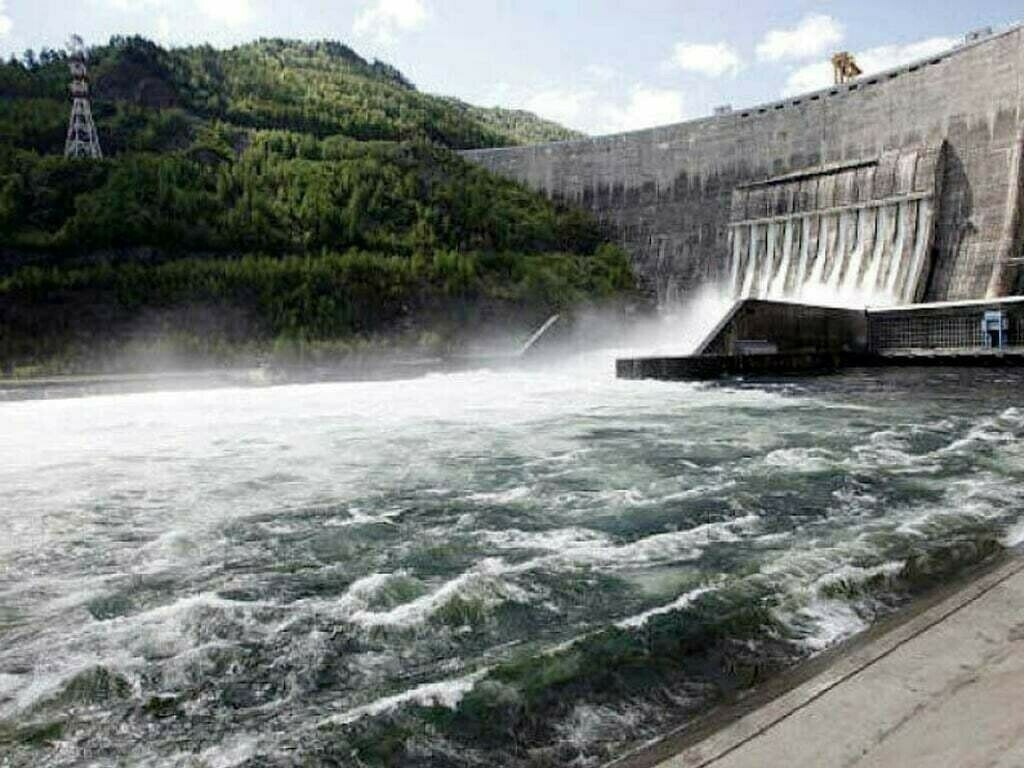
EDITORIAL: There’s no doubt that Pakistan stands at a critical juncture in its water management journey.
The recent announcement by the Water and Power Development Authority (Wapda) Chairman, Lt-General Sajjad Ghani (Retd), regarding the construction of new dams to add 10 million acre-feet (MAF) of water to our reserves within the next 4-5 years offers hope, yet it also underscores the need for a unified, inter-provincial approach to water resource management.
Without cooperation between all provinces, Pakistan’s water woes will remain unresolved; as they have for far too long.
Historically, water distribution has been a contentious issue among Pakistan’s provinces. The discord surrounding projects such as the Thal Canal, intended to irrigate lands in the Thal region, exemplifies these challenges.
Sindh has repeatedly expressed concerns about potential reductions in its water share due to such projects. This apprehension is not unfounded; lower riparian regions often bear the brunt of upstream diversions.
While the 1991 Water Apportionment Accord was a significant step toward equitable water distribution, its implementation has faced obstacles, fuelling inter-provincial mistrust.
The anticipated increase in water availability to 23 MAF per annum, up from the current 13 MAF, is a promising development. Plans to develop additional canals in Sindh, Punjab, Balochistan, and Khyber Pakhtunkhwa are aimed at utilising this water in an effective manner.
However, success will depend on proactive collaboration. Each province must prepare its infrastructure to accommodate the additional water, necessitating synchronised planning and execution. The failure to do so will only exacerbate existing inefficiencies and disputes.
The installation of a new telemetry system at 27 locations, as agreed upon by the provinces, is a commendable move toward transparent water monitoring.
Accurate data collection is vital for informed decision-making and for building trust among provinces. However, technology alone cannot bridge the trust deficit.
Continuous dialogue, mutual respect, and a shared vision for national prosperity must complement these measures. Additionally, accountability must be ensured so that water allocations are managed fairly, and disputes do not lead to deadlocks.
Pakistan’s water challenges are further exacerbated by climate change. The country has transitioned from being relatively water-abundant in the 1980s to becoming one of the most water-stressed nations globally, with projections indicating potential water scarcity by 2035.
Glacial melt, erratic monsoons, and increasing temperatures threaten the reliability of existing water resources. This alarming trend necessitates immediate and coordinated action. Short-term infrastructure projects will not suffice; Pakistan must develop a long-term strategy that integrates climate adaptation with water governance.
The way forward must be guided by principles of cooperation and sustainability. Pakistan cannot afford to treat water as a zero-sum game between provinces.
A more holistic approach is needed — one that prioritises the collective good over individual interests. That means ensuring provinces have an equal voice in decision-making and that any infrastructure expansion is designed with all regions in mind. It also means incorporating modern irrigation techniques, minimising waste, and improving water storage capacity.
While infrastructural developments like dam construction and canal expansion are crucial, they must be complemented by policies fostering provincial unity.
Water is a shared resource, transcending provincial boundaries. Its management should reflect this reality. By embracing collaborative strategies and prioritising sustainable practices, Pakistan can navigate its water challenges and secure a prosperous future for all its provinces.
Copyright Business Recorder, 2025




















Comments
Comments are closed for this article.