


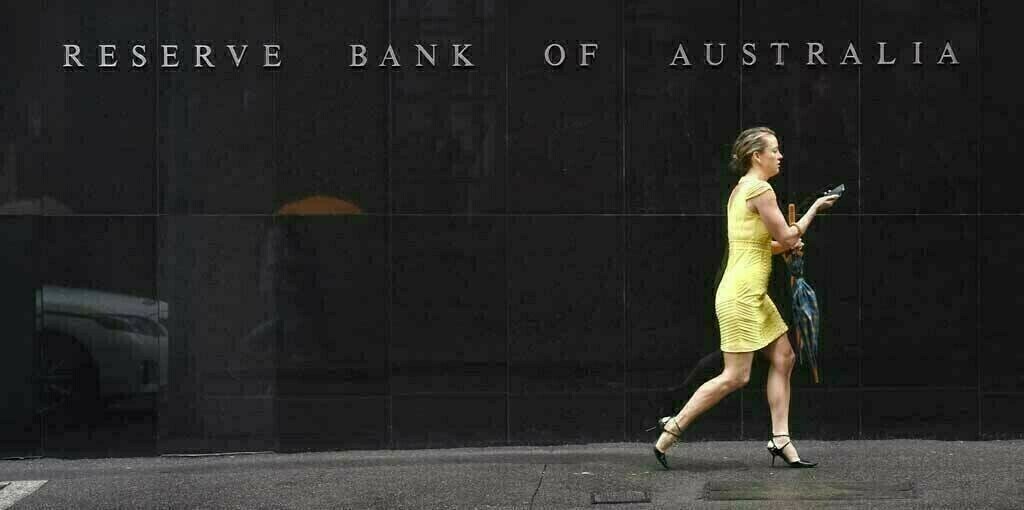

SYDNEY: The Reserve Bank of Australia left its key interest rate unchanged Tuesday, with governor Philip Lowe saying that while inflation had “passed its peak” the economic outlook remained uncertain.
The decision comes after monetary policymakers last month hiked the benchmark rate 25 basis points to 4.1 percent – its highest level since May 2012.
Lowe on Tuesday cited “uncertainty surrounding the economic outlook” as one reason the board decided to stand pat this month.
“This will provide some time to assess the impact of the increase in interest rates to date and the economic outlook,” he said.
SBP raises key policy rate by 100bps to 22% after ‘emergency meeting’
The move gave stocks a small boost, with the benchmark ASX 200 up nearly 0.5 percent in the minutes after the announcement, though the local dollar fell against the US greenback.
It will also come as a relief to mortgage holders, who have seen their monthly repayments rise rapidly over the past year as rates increased.
Central banks raise rates to make borrowing more expensive, reducing the buying power and demand of consumers and businesses, which usually pushes prices down.
Government figures released last week showed the headline rate of inflation dropped to 5.6 percent on-year in May, from 7.3 percent – an improvement but still well above the RBA’s target range of between two and three percent.
Like other countries fighting inflation, Australia is treading a fine line between trying to bring prices down without stifling economic growth and sparking a recession.
Many other central banks have opted to continue tightening monetary policy in an attempt to tame runaway food and energy prices, which have been exacerbated by the war in Ukraine.
Federal Reserve chair Jerome Powell last week told an event in Spain that further hikes were likely, after the bank left rates unchanged at its June meeting following 10 consecutive hikes.
In its most recent decision late in May, the Reserve Bank of New Zealand lifted its official cash rate from 5.25 percent to 5.5 percent.



















Comments
Comments are closed for this article.