


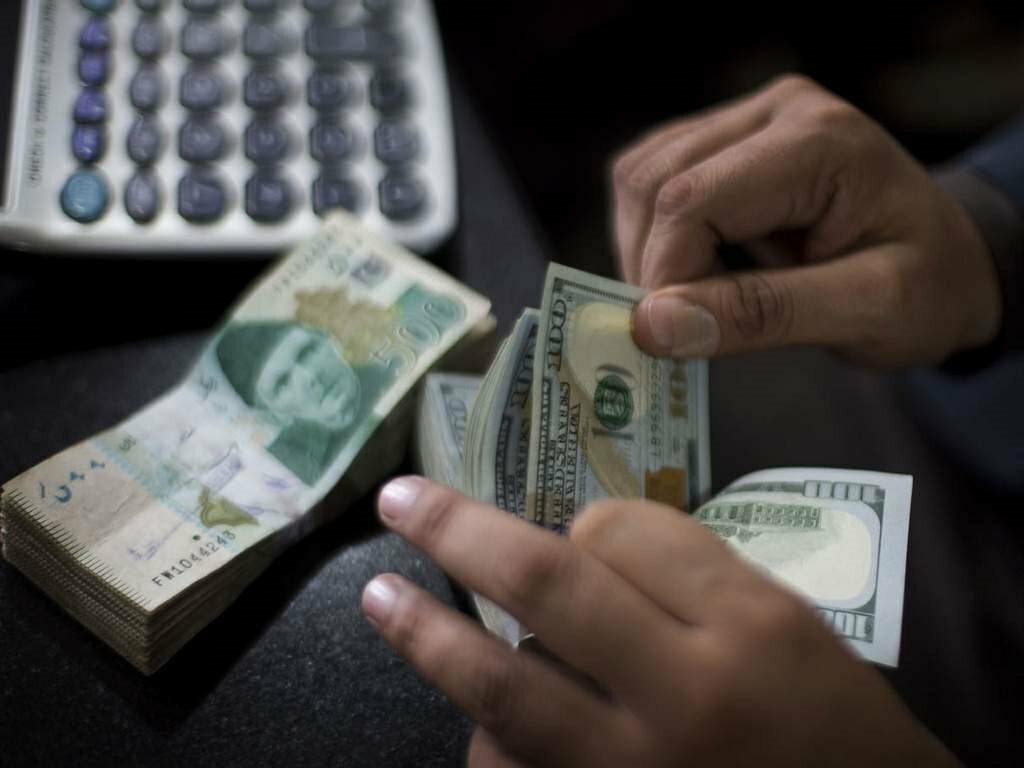
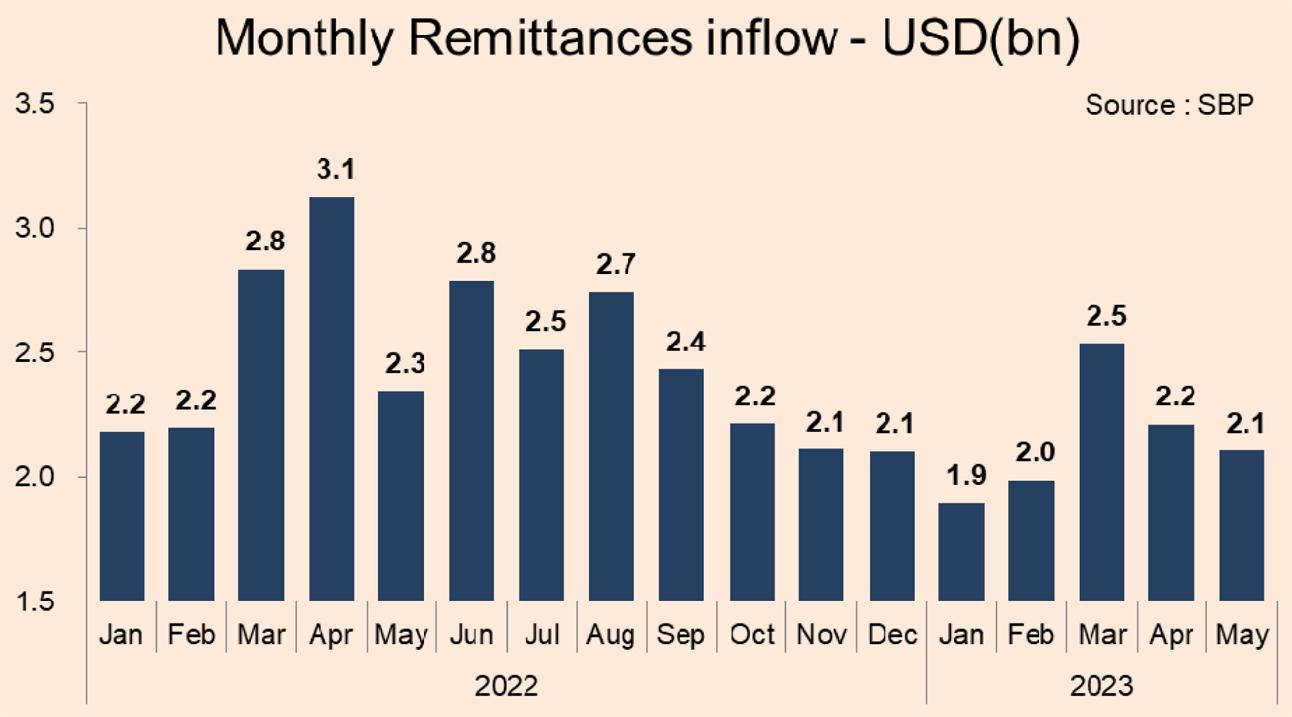
As per the data released by the central bank, remittances continued its decline. The year-on-year decline in remittances in May stood at 10 percent, and the inflow continued its month-on-month fall as well – going down by 4 percent.

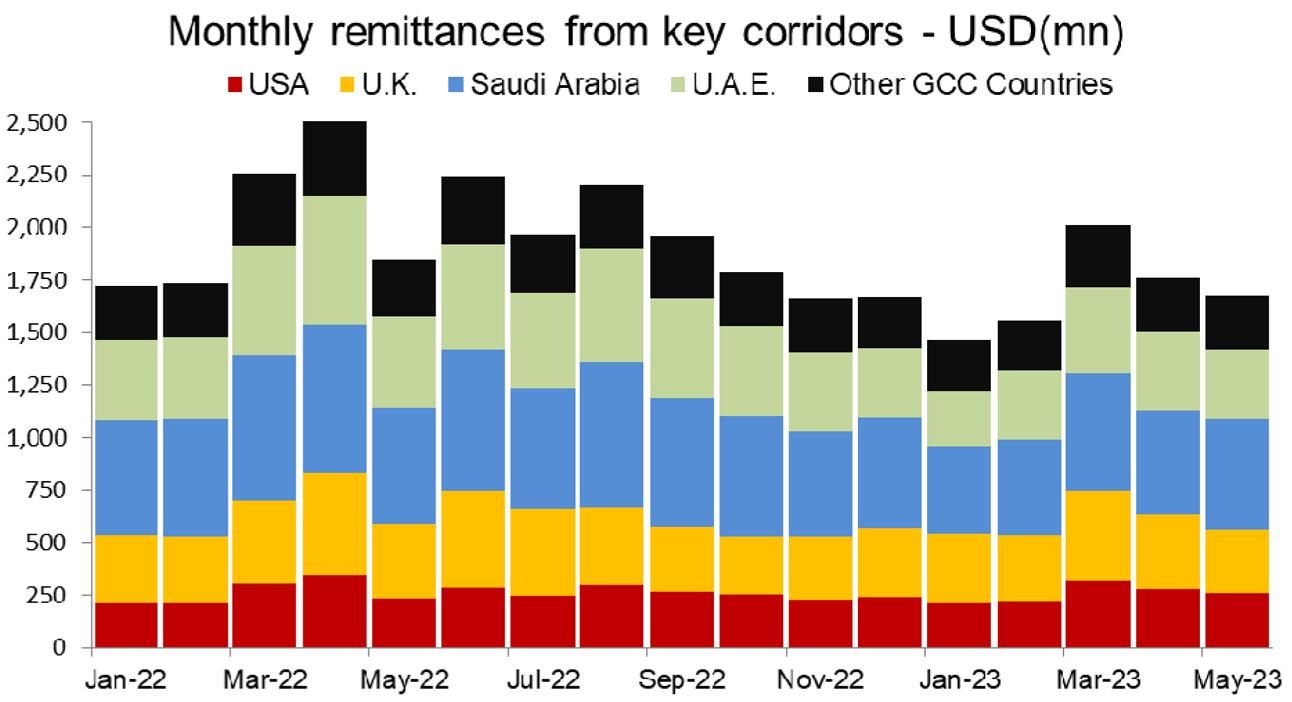
Overall, remittances in 11MFY23 stood down by 13 percent year-on-year. Except for the inflows from the US, remittances from all destinations depicted a decline during May on a year-on-year basis. In 11MFY24 as well, all host countries including Saudi Arabia, the UK, UAE, and the GCC world posted a fall in remittances - mostly in double digits - while the inflows from the US remained flattish at 1 percent year-on-year growth.
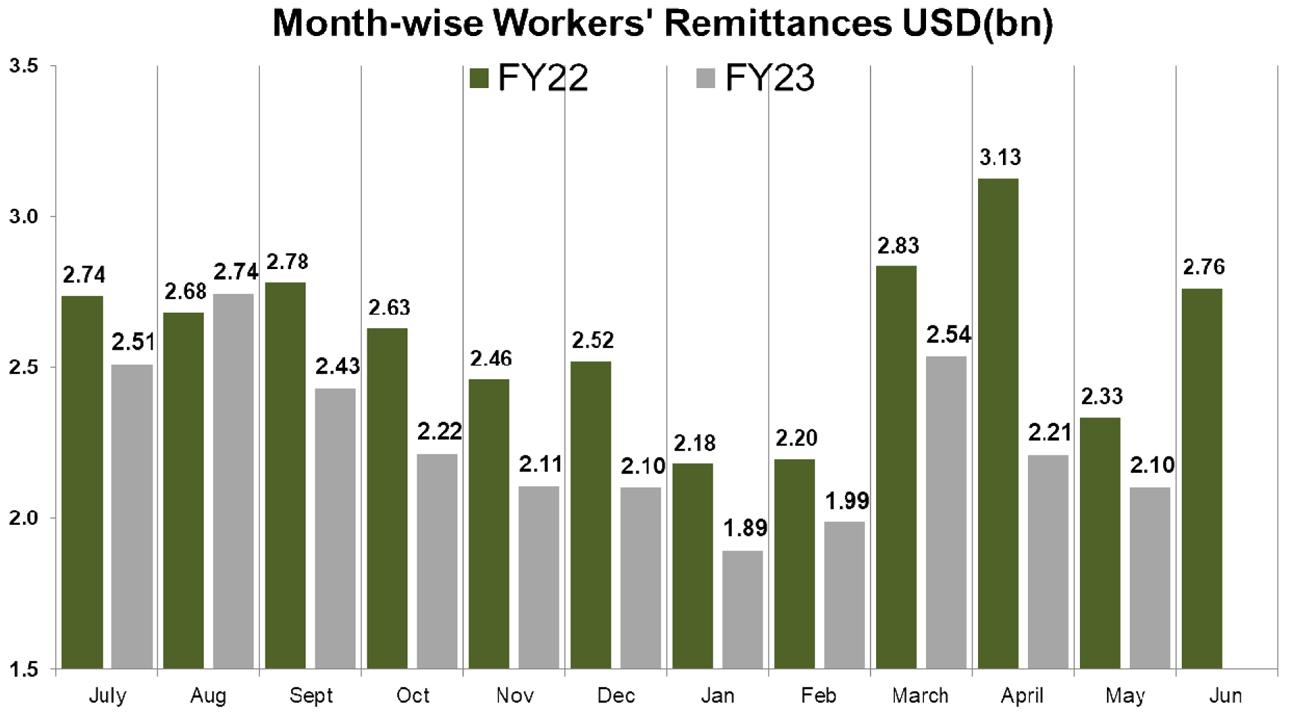
Country’s reliance on remittances is critical and the financial czar highlighted the importance of these foreign exchange reserves that represent 90 percent of the country's exports.
The government’s measure to curb the illegal channels have yielded results, but the measures and incentives in presented in the Budget 2023-24 might not be enough to boost these foreign reserves. While the abolishment of final tax on immovable property will be an incentive for those sending money home to invest in the real estate, the proposed "diamond card" for people sending over $50,000, enabling them to avail superior services like non-prohibited bore license, no-cost passport, preferential access embassies and consulates, fast-track immigration at Pakistani airports, and special prizes through lucky draws might not force them to send back home higher amounts especially when the difference between interbank and open market dollar rate is wide. Moreover, these incentives are not for the blue collar workers working abroad who send money to their families back home. For them, cost of sending money is the key!




















Comments
Comments are closed for this article.