


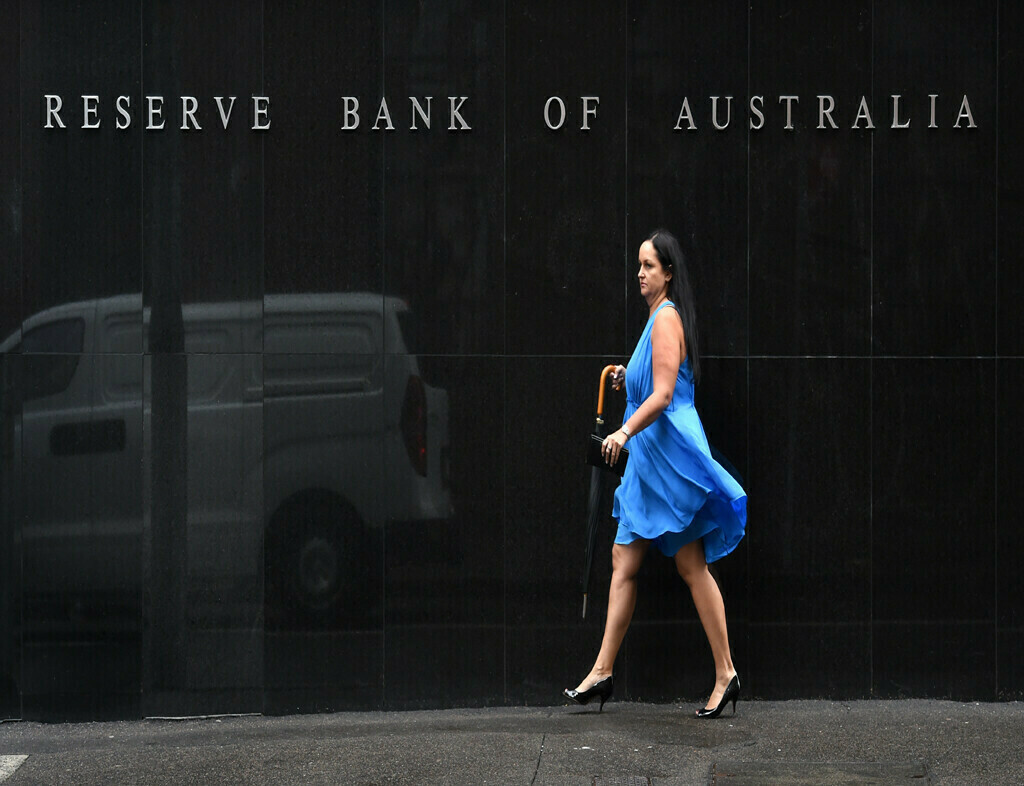

SYDNEY: Australia’s central bank raised its cash rate 50 basis points to a seven-year high of 2.35% on Tuesday and left the door wide open for yet more tightening ahead as it fights to restrain surging inflation.
Wrapping up its September policy meeting, the Reserve Bank of Australia (RBA) did drop a reference to “normalising” policy suggesting rates were now closer to neutral, but it also flagged it had more work to do.
“Price stability is a prerequisite for a strong economy and a sustained period of full employment,” said RBA Governor Philip Lowe in a statement. “The Board expects to increase interest rates further over the months ahead, but it is not on a pre-set path.”
The fifth hike since May had been widely expected and the balanced statement left the local dollar little changed at $0.6808.
Markets are leaning toward another half-point hike in October and for rates to peak around 3.85%, given inflation is running at a 21-year high of 6.1% and likely to top 7% by Christmas.
The RBA aims to keep inflation in a band of 2-3% over time, and currently does not see it coming back to 3% until late 2024.
“It’s possible that the Bank will only slow the pace of tightening if the Q3 inflation figures due at end-October show a moderation in price pressures,” said Marcel Thieliant, a senior economist at Capital Economics.
Australia, NZ dollars slide as concerns about global growth mount
“Either way, we reiterate our long-held view that the Bank will ultimately lift the cash rate to 3.6%.”
Mortgage pain
The economy has, so far, proven resilient to higher borrowing costs with consumers still spending freely and the jobless rate at its lowest since 1974 at 3.4%.
Exports are booming as energy demand in Asia and Europe drives up prices for Australia’s coal and liquefied natural gas.
As a result, data due on Wednesday are expected to show gross domestic product (GDP) rose around 1.0% in the quarter, lifting annual growth to 3.5% from 3.3%.
However, many analysts see trouble ahead in part because rising rates have already blown a hole in the housing market where prices are falling at the fastest pace in 40 years.
The rise in rates already delivered will add around A$720 a month in repayments to the average A$620,000 mortgage, a deadweight for a population that holds a record A$2 trillion in mortgage debt.
An ANZ survey of consumers out on Tuesday showed confidence had picked up by 1.3% last week, but only if you rented.
“For people paying off a mortgage and for those who own their home confidence is sharply lower by 19% and 13% respectively since the RBA’s first rate hike in May,” said David Plank, head of Australian economics at ANZ.
“The recovery in consumer confidence is encouraging, but it remains in very negative territory despite the lowest unemployment rate in decades.”

























Comments
Comments are closed for this article.