


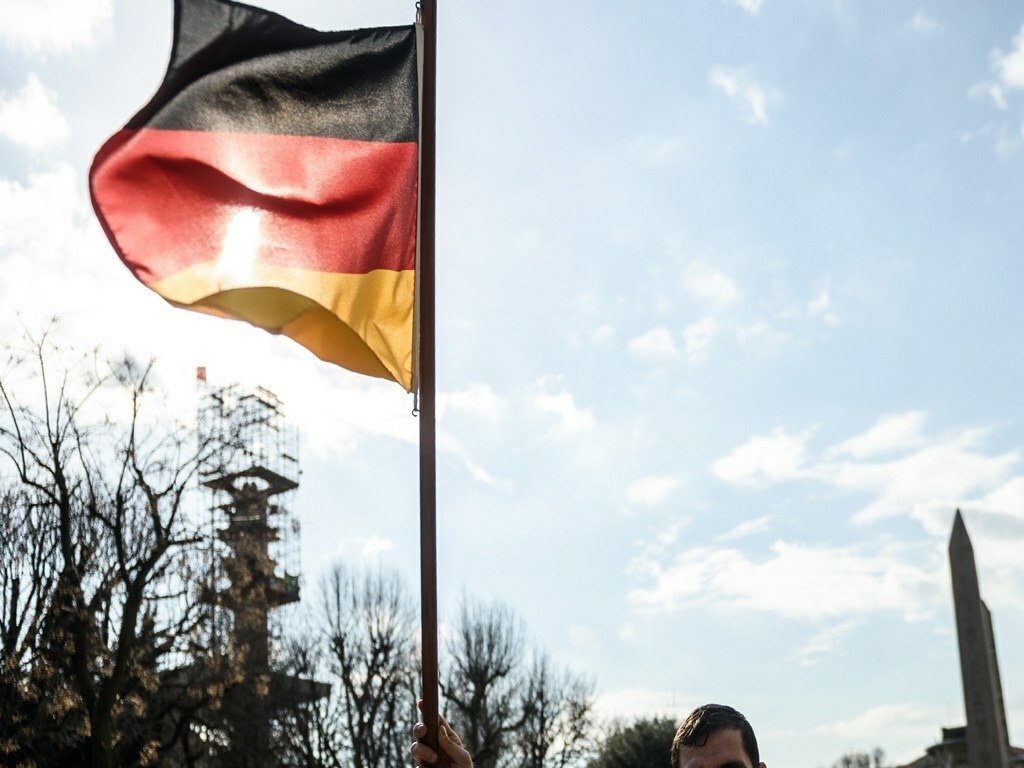

FRANKFURT: The German business climate improved again in February, survey data published Tuesday showed, despite the aggravation of the crisis in Ukraine and persistent supply chain issues.
The Ifo institute's closely watched indicator rose to 98.9 points from 96 in January, with companies reporting an improvement in their expectations for the near future.
"The German economy is betting on an end to the coronavirus crisis," Ifo president Clemens Fuest said in a statement, after the government indicated it would roll back most of the health restrictions designed to contain the coronavirus pandemic by the end of March.
High case numbers around the turn of the year depressed domestic demand, hitting services particularly hard, and were a factor behind the economy shrinking in the last quarter of 2021.
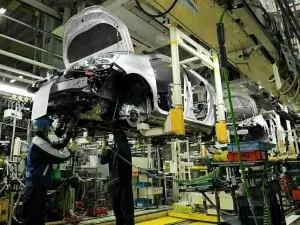
The flagship manufacturing industries were also "clearly more satisfied", the Ifo said, though "material shortages continue to hamper production".
Germany to enter recession due to virus: Bundesbank
Bottlenecks in supply of raw materials and components have weighed heavily on Europe's largest economy, which draws much of its strength from the export-stong sector.
Nonetheless, "the escalation of the crisis engulfing Ukraine remains a risk factor," Fuest said.
Rising tensions with Russia have already contributed to rising prices for energy, with Europe and Germany in particular highly dependent on the country for supplies of natural gas.
Following Russian President Vladimir Putin's decision on Monday to recognise two breakaway regions in Ukraine, the survey index was "not leading but rather backward-looking," said Carsten Brzeski, head of macro at the bank ING.
"It is clear that the new uncertainty will weigh on business sentiment, dent purchasing power if energy prices continue to increase, and could eventually also, temporarily, subdue business investment," Brzeski said.















Comments
Comments are closed for this article.