


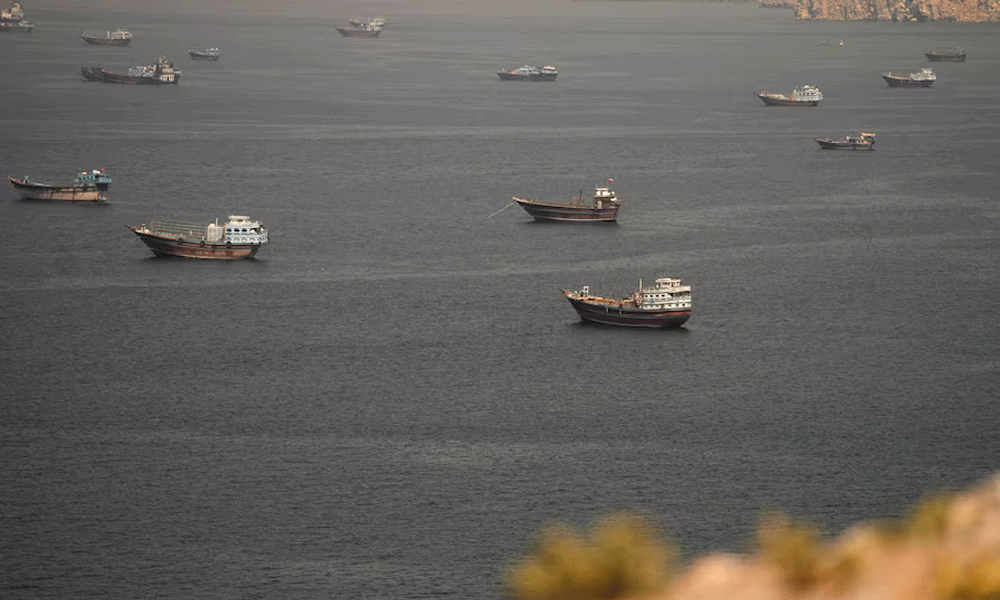
A shortage of vessels has delayed the shipment of more than 12,000 tonnes of coffee from a major Indonesian export port, and more disruptions are likely as the harvest gathers pace, dealers said on Monday. Indonesia is the world's second-largest producer of robusta coffee after Vietnam.
Many exporters, who had earlier booked smaller vessels, seemed unprepared for the increase in coffee arrivals from plantations in the main growing island of Sumatra as the crop recovered from bad weather. Heavy rain damaged the 2011 crop, causing a severe supply shortage that sent premiums to all-time highs of $550 to futures.
"There's a lack of big vessels. Some shipments have been delayed for a week and the beans haven't left the port yet. At least 12,000 tonnes are being delayed," said a dealer in Bandar Lampung, the provincial capital of Lampung on Sumatra. "Some beans which are supposed to leave in July are likely to be shipped in September. Shippers didn't expect this year's exports to be strong, that's why they have been sending smaller ships to the port. Many ships are overloaded and I heard that one nearly sank and they had to unload some beans."
Robusta coffee bean exports from Sumatra rose 3 percent in July from a year earlier, government trade data showed. In July last year, robusta exports fell 40 percent to 21,116 tonnes from the same month in 2010 as extreme weather conditions hit output. "It is true there is a delay in the delivery of coffee exports to foreign countries," said Sumita, an official at the Lampung branch of the Indonesian Coffee Exporter Association (AEKI), who like many Indonesians goes by one name. "My coffee beans have been stuck for a week at Panjang port."
Daily arrivals from Sumatra were steady at up to 3,000 tonnes this week and the current harvest was expected to slow down in most areas at the end of August. Dealers said warehouses were filled with beans from the current crop. Indonesian coffee production will grow by 17 percent to 9.7 million 60-kg bags green bean equivalent in the 2012/13 marketing year due to more supportive weather conditions, according to US Department of Agriculture attache in Indonesia.
























Comments
Comments are closed for this article.