


GCC economies expected to grow 2.2% this year, says World Bank
- "Although downside risks remain, the forecast stands for an aggregate GCC economic turnaround of 2.2% in 2021 and an annual average growth of 3.3% in 2022-23."
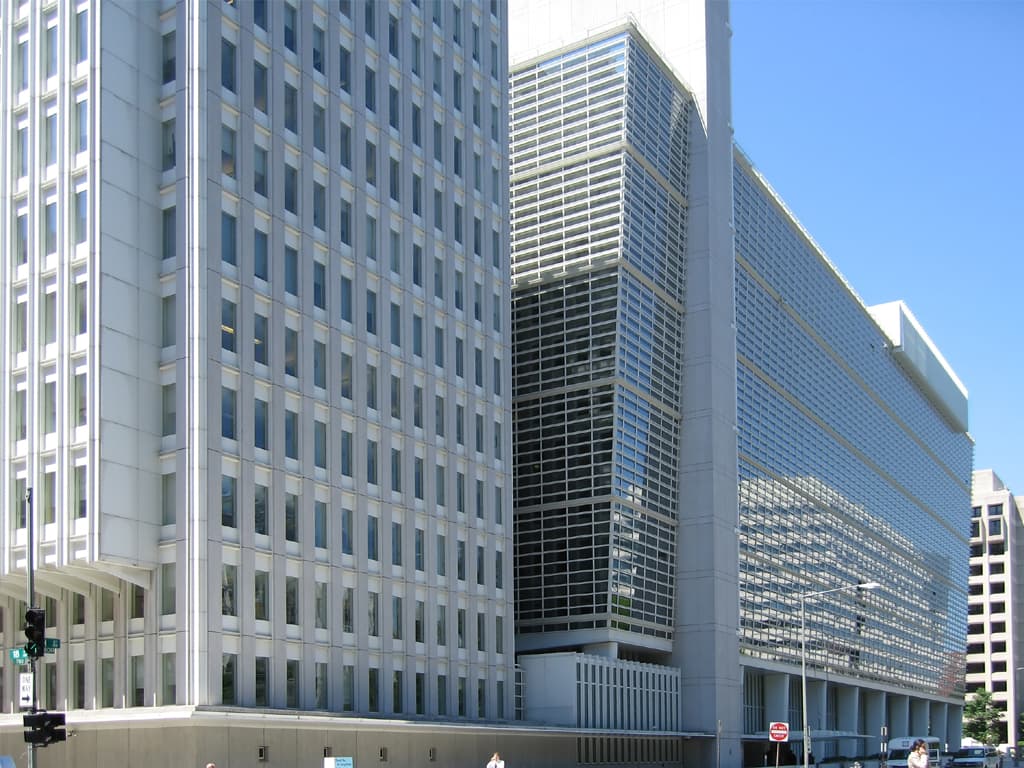

DUBAI: Economies of the Gulf Cooperation Council (GCC) will likely grow at an aggregate 2.2% this year after a 4.8% contraction last year caused by the pandemic and lower oil prices, the World Bank said on Wednesday.
"With recent progress made with the rollout of the COVID-19 vaccine globally and with the revival of production and trade worldwide, the prospects for an economic recovery are firmer now than at the end of last year," it said in a research report.
"Although downside risks remain, the forecast stands for an aggregate GCC economic turnaround of 2.2% in 2021 and an annual average growth of 3.3% in 2022-23."
It remains vital for GCC countries - which include Bahrain, Kuwait, Oman, Qatar, Saudi Arabia, the United Arab Emirates - to diversify their economies, the World Bank said, as oil revenues account for over 70% of total government revenues in most GCC countries.
World Bank reallocates $150m for Pakistan to procure Covid-19 vaccines
It said it expects Kuwait and Qatar to introduce a value-added tax this year, following the example of other GCC states that have implemented the revenue-diversifying measure in different phases over the last few years.
On the fiscal side, most GCC countries are expected to continue to post deficits over the coming years, the World Bank said, after shortfalls intensified last year because of the coronavirus crisis.
The countries that posted the largest deficits in 2020 - Bahrain, Kuwait and Oman - are expected to remain in deficit until 2023, but with narrower ratios than in the 2020 downturn.
While a rebound in oil prices may lift economic prospects in the short term, the World Bank said downside risks to its outlook are "extremely high" because of the region's heavy exposure to global oil demand and the service industries.
Economy of coup-wracked Myanmar to contract 18%: World Bank
"Mobility restrictions including for international travel may hurt attendance at future high-profile events in the GCC-the 2020 (rescheduled to 2021) World Expo in the UAE and the 2022 Federation Internationale de Football Association (FIFA) World Cup in Qatar", it said.

























Comments
Comments are closed for this article.