BR100 Decreased By (-0.83%)
BR30 Decreased By (-1.36%)
KSE100 Decreased By (-0.81%)
KSE30 Decreased By (-0.79%)
BECO 5.58 Decreased By ▼ -0.05 (-0.89%)
BML 58.48 Decreased By ▼ -1.04 (-1.75%)
BOP 35.55 Decreased By ▼ -0.50 (-1.39%)
CNERGY 8.27 Decreased By ▼ -0.17 (-2.01%)
DCL 11.64 Decreased By ▼ -0.28 (-2.35%)
FCCL 57.32 Decreased By ▼ -0.75 (-1.29%)
FCSC 5.40 Decreased By ▼ -0.13 (-2.35%)
FFL 18.22 Decreased By ▼ -0.15 (-0.82%)
FNEL 1.31 Decreased By ▼ -0.01 (-0.76%)
HUMNL 11.20 Decreased By ▼ -0.30 (-2.61%)
KEL 8.24 Decreased By ▼ -0.20 (-2.37%)
KOSM 7.10 Increased By ▲ 0.12 (1.72%)
MLCF 101.15 Decreased By ▼ -1.32 (-1.29%)
NBP 204.60 Decreased By ▼ -2.87 (-1.38%)
PACE 11.30 Decreased By ▼ -0.27 (-2.33%)
PAEL 43.06 Decreased By ▼ -0.67 (-1.53%)
PIAHCLA 26.60 Decreased By ▼ -0.47 (-1.74%)
PIBTL 18.11 Decreased By ▼ -0.11 (-0.6%)
PPL 246.20 Decreased By ▼ -2.86 (-1.15%)
PRL 36.15 Decreased By ▼ -0.49 (-1.34%)
PTC 66.30 Decreased By ▼ -0.72 (-1.07%)
SEARL 95.20 Decreased By ▼ -0.72 (-0.75%)
SSGC 31.95 Increased By ▲ 1.32 (4.31%)
TELE 9.08 Decreased By ▼ -0.24 (-2.58%)
THCCL 67.74 Decreased By ▼ -1.51 (-2.18%)
TPLP 10.75 Decreased By ▼ -0.29 (-2.63%)
TREET 26.05 Decreased By ▼ -0.55 (-2.07%)
TRG 69.40 Decreased By ▼ -0.44 (-0.63%)
WAVES 11.29 Increased By ▲ 0.02 (0.18%)
WTL 1.31 No Change ▼ 0.00 (0%)
Markets

Algeria foreign exchange reserves fall to $42 billion

  • The North African country uses its reserves to pay for imports of goods and services, estimated annually at $45 billion.
Published March 2, 2021 Updated March 2, 2021 09:55am
By

ALGIERS: Algeria's foreign exchange reserves currently stand at $42 billion, President Abdelmadjid Tebboune said on Monday, down from $60 billion in the first quarter of 2020.

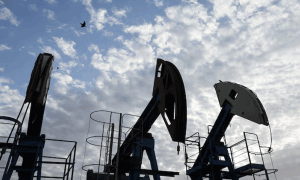
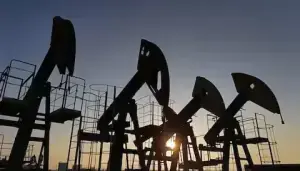
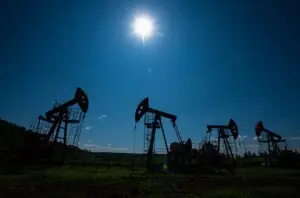
A fall in global crude prices have significantly hit OPEC member Algeria where oil and gas export revenues account for 60% of the state budget and 94% of total export earnings.

Reserves stood at $72.6 billion in April 2019, down from $79.88 billion in December 2018 and $97.33 billion at the end of 2017.

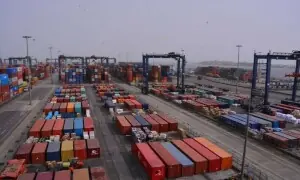
The North African country uses its reserves to pay for imports of goods and services, estimated annually at $45 billion.

The government has been trying to cut spending on purchases from abroad to ease the financial pressures caused by the decline in oil and gas revenues.

"I have given instructions to import only what we actually need," Tebboune said on state television.

Comments

Comments are closed for this article.