


Japan extends virus emergency, months before delayed Olympics
- Japan's coronavirus outbreak has been comparatively small nationwide, with around 5,800 deaths overall.
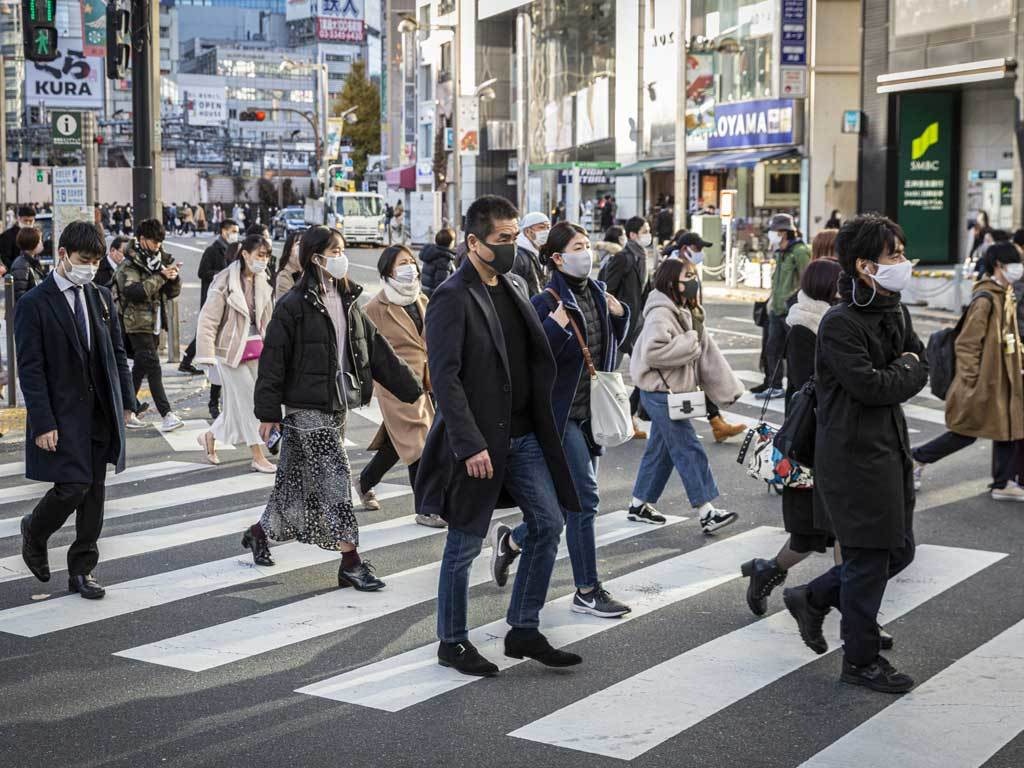

TOKYO: Japan's government approved a month-long extension of its coronavirus state of emergency on Tuesday, less than six months before the pandemic-postponed Olympic Games open in Tokyo.
"We have decided to extend the state of emergency until March 7th," Prime Minister Yoshihide Suga said at a meeting of the taskforce guiding the government's pandemic policy.
The extension will apply to 10 of the 11 areas currently under the measure, including greater Tokyo, which had been due to end on February 7. It will not be extended in Tochigi, north of the capital, where cases are judged to have dropped sufficiently.
"In prefectures where the virus situation improves, we will gradually lift the state of emergency, without having to wait for March 7th," Suga added.
The extension had been widely expected, with government spokesman Katsunobu Kato telling reporters Tuesday morning that "it is our understanding that continued vigilance is warranted for a while".
Japan's virus emergency is significantly looser than the lockdowns seen elsewhere in the world, and primarily calls for increased teleworking and the closure of bars and restaurants from 8pm.
Legislation currently working its way through parliament would add enforcement measures including fines for businesses that do not close early.
But even the comparatively relaxed approach appears to have yielded results, with new infections dropping across the country.
Still, after facing criticism for its initial reluctance to impose the measure, the government has been cautious about lifting it too quickly.
"Since the declaration of the state of emergency last month, the number of coronavirus patients in Japan is declining and we can say this measure focusing on shorter hours at restaurants has clearly been effective," Suga said.
"We need to continue with this downward trend and decrease the number of hospitalised patients and patients in serious condition."
Suga's government resisted calls for the emergency late last year, despite an uptick in cases in December, worried about the impact on an economy that only just exited recession.
The measure initially covered just the greater Tokyo area, but was expanded about a week after it was first announced as infections spiked in several parts of the country.
Japan's coronavirus outbreak has been comparatively small nationwide, with around 5,800 deaths overall.
But the country's healthcare system has become increasingly overburdened, and public support for both the initial imposition of the emergency, and Tuesday's extension, is strong.
Suga's government has seen approval ratings plummet over its handling of the country's third wave of infections, which has increased doubts about the prospects for this summer's postponed Olympics.
Japan's government, organisers and Olympic officials all insist the Games will go ahead this summer, and extensive virus countermeasures are being developed to keep the event safe.
But public opinion remains opposed, with around 80 percent of Japanese polled backing a further postponement or outright cancellation.
Japan has tightened border restrictions during the state of emergency, ending exemptions for athletes.
That has forced the cancellation and postponement of some sports events, including the first Olympic test event of 2021 -- an artistic swimming qualifier that had been scheduled for March.
Earlier Tuesday, Tokyo 2020 President Yoshiro Mori said the Games would go ahead "however the coronavirus (pandemic) evolves."
"We must go beyond discussion about whether we will hold it or not. It's about how we will do it. Let's think about a new kind of Olympics on this occasion," he added at a meeting of Olympic organisers and members of the Suga's ruling party.















Comments
Comments are closed for this article.