


Oil-linked LNG may be here to stay after spot market skyrockets
- A lack of spare capacity and limited storage options in Asia also makes the LNG market susceptible to sudden jolts in demand and supply, industry sources said.
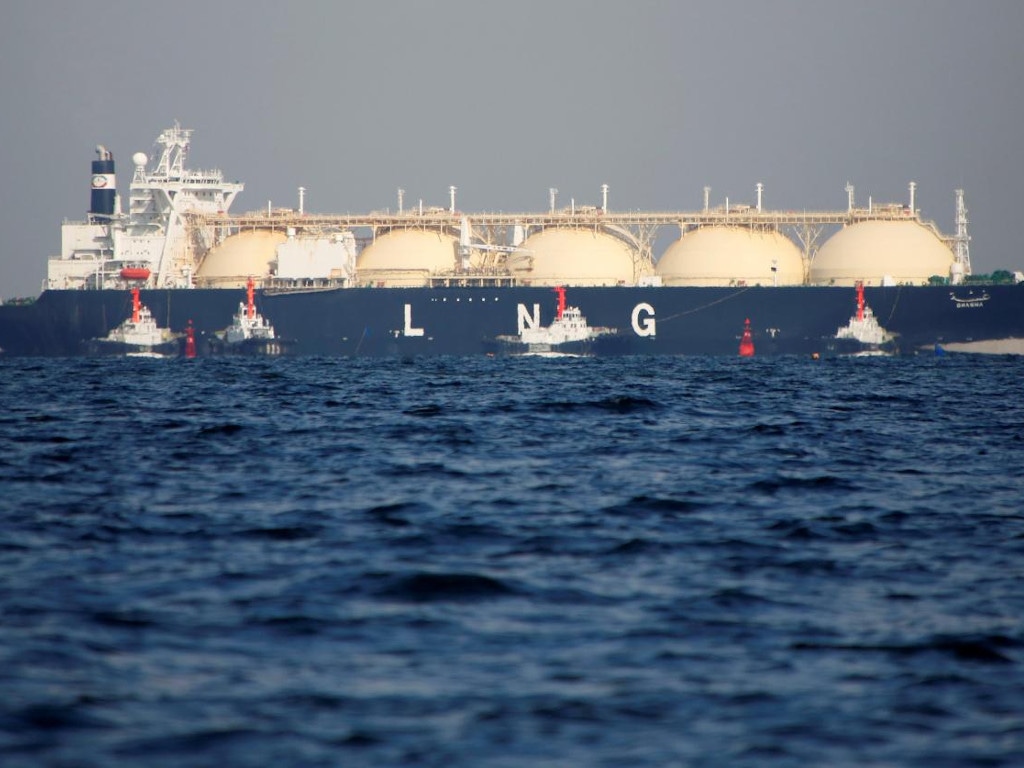

SINGAPORE: A blistering 1,000% rally in Asian spot liquefied natural gas (LNG) prices since July has undermined buyers' enthusiasm for relying solely on the spot market, and means archaic oil-linked contracts are here to stay, industry sources told Reuters.
Asian spot LNG prices dropped to as low as around $1.85 per million British thermal units (mmBtu) in May last year as coronavirus-induced lockdowns hammered gas demand, but shot up to a record $32.50 per mmBtu this week after an Asia-wide cold snap pumped up gas demand and drained stocks.
"The recent volatility in LNG spot prices will increase the appeal of more stable oil-linked contract prices," said Robert Sim, research director at Wood Mackenzie. Oil-linked term cargoes make up around two-thirds of supply in Asia, the world's top LNG-consuming region.
Long-term LNG contracts are typically linked to Brent crude prices as there are no uniform global gas prices for users to hedge against, though buyers and sellers had in recent years been exploring a hybrid mix of European, US and Asian gas prices in contracts.
The allure of hybrid contracts tied to spot gas prices has diminished, however, following the recent volatility.
"Six months ago, buyers were asking for hybrid options in contracts but the recent enquiries (for long-term cargoes) we have been getting are all oil-linked," a source with a major LNG supplier told Reuters.
CHEAP BUT CHOPPY
Between 2016 and 2020, Asia spot LNG prices averaged 27.2% less than Brent-linked prices, according to Refinitiv data, causing frustration among buyers tied to Brent-based contracts.
However, the volatility of Asian spot prices - as measured by the standard deviation of month-end prices - was 51% higher over that same period, averaging $1.64 per mmBtu compared to $1.09 for Brent-linked values, a Reuters analysis showed.
The standard deviation between December 2020 and the recent January 2021 high was $14.85 per mmBtu, as spot prices exploded above $30 while Brent-tied prices remained around $7.
"The recent volatility may give buyers some added incentive to look more closely at long-term contracts, which they have been resisting in recent times in favour of mid-term deals and reliance on the spot market," said Anthony Patten, a partner at law firm King & Spalding.
"Maybe oil-linked pricing will become more appealing again, or if JKM is used, price ceilings might be included to protect buyers who have entered into term commitments from these types of spikes," he said, referring to the Japan-Korea-Marker (JKM) published by price agency S&P Global Platts and which is used as a reference point in spot markets.
Oil contracts are typically easier to hedge against Asian gas price risk as the oil derivatives market is more liquid and easier to access than the nascent and thinly-traded Asian LNG derivatives market.
A lack of spare capacity and limited storage options in Asia also makes the LNG market susceptible to sudden jolts in demand and supply, industry sources said.
Still, with temperatures in North Asia expected to rise soon, and more supply anticipated, spot prices will likely ease and narrow the gap with oil-linked prices, sources added.
"A JKM-indexed contract, which is still quite rare, would certainly now appear less attractive compared to an oil-index, but JKM prices are still expected to settle considerably this summer," said Ross Wyeno, lead analyst of Americas LNG Analytics at Platts.


















Comments
Comments are closed for this article.