


Interview with Sadaffe Abid, Founder - CIRCLE Women Association

Basic digital literacy for women should be a priority at policy level
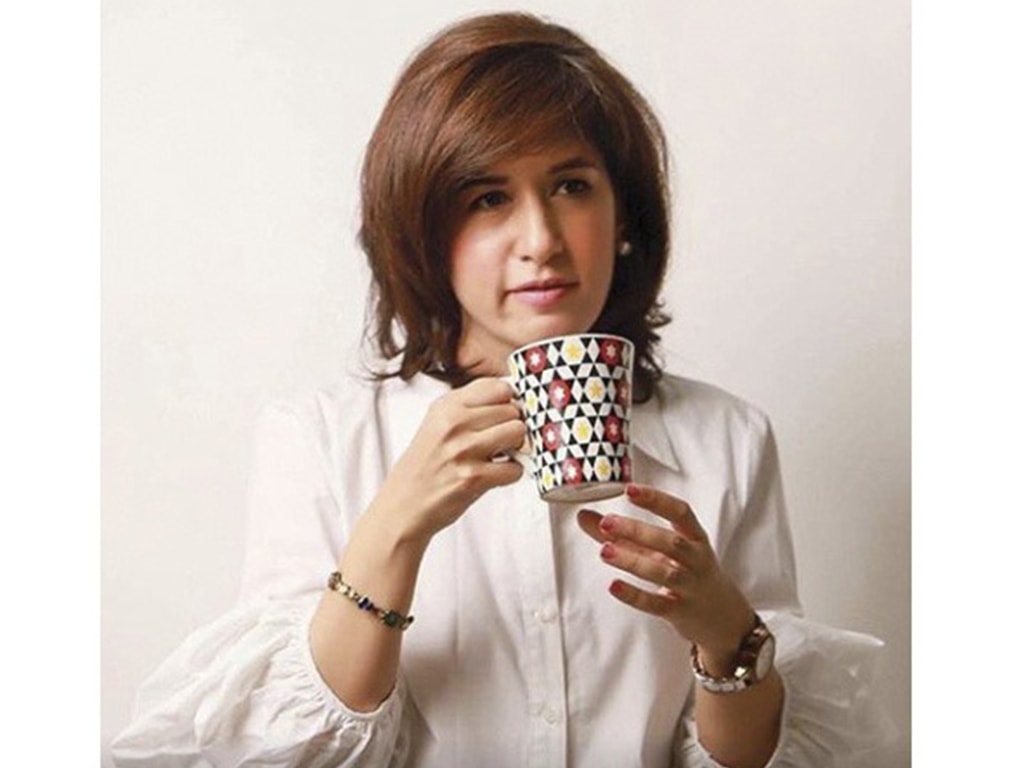
Sadaffe Abid is the founder of CIRCLE Women Association, a social enterprise that aims to build and develop the entrepreneurial and leadership capacity of women in Pakistan. Sadaffe was a founding team member, COO, and later CEO of Kashf Foundation. She is on the board of Pakistan Microfinance Network, UN Women Pakistan Civil Society Advisory Council, and Indus Earth. She is INSEAD’s Social Entrepreneur-in-Residence and is also an adviser to Dell Women Entrepreneurship Network (DWEN).
She completed her master’s at the Harvard Kennedy School, Advanced Management Program at INSEAD and her B.A. at Mount Holyoke College. Following are the edited transcripts of a recent conversation BR Research had with Sadaffe that revolved around her journey of starting CIRCLE Women Association and the impact the association has been able to create over the years.
BR Research: Tell us about yourself and the journey behind CIRCLE.
Sadaffe Abid: I belong to a military family, so we were posted to different places during my life as a student. Up until middle school, I went mostly to public schools, which gave me a fair idea of how public school system operates here. For college, I went to Mount Holyoke College US - a liberal arts women college where I studied history, philosophy, religion, and economics. Those three years at a liberal arts college in the US gave me a lot of exposure and I came back to Pakistan very much interested to work in the development sector. I was at Kashf (Foundation) for 12 years and was one of the founding team members, and later CEO of the organization. It was a great journey; I grew a lot in terms of tackling challenges, exploiting opportunities, and learning how women related issues impact the entire community.
I went to Harvard Kennedy School for the master’s program, where I concentrated on leadership and entrepreneurship. It was after this when I moved to Karachi when I started running leadership programs for women. That’s how the idea of CIRCLE started.
CIRCLE Women Association is based on the belief that investing in women is the smartest economic venture of today and that when women grow, families prosper, communities become strong and nations move forward. It is an organization on a mission to advance women’s economic participation and empowerment.
BRR: What are CIRCLE’s key initiatives till date?
SA: One of our first initiative was a campaign that we ran around mapping women in conferences and events. The goal was to build inclusive panels and committees because when we have diverse perspectives coming in, it leads to better problem solving, innovation and productivity. Unfortunately, in Pakistan diversity was lacking and not visible in leadership roles. That’s what we started working on under our flagship programs ELEVATE which commits to empowering women in the workplace. We started running leadership programs and social media campaigns; we started mapping women visibility; we came up with our champions and many MNCs and big national names joined us.
Then we have #TechKaro for digital skills, and we also brought She Loves Tech to Pakistan, which is the world’s largest startup competition for women and technology. On this platform, we highlight startups that use technology.
BRR: Pivoting our discussion to female entrepreneurship, what do you think are they key challenges that need to be addressed to bring women into setting up their own businesses?
SA: One of them is the lack of role models: We don’t see so many successful examples of women entrepreneurs or women in leadership roles. We don’t have the visibility. It’s a big challenge as the message that goes out to younger women is that there is no one like them out there, which goes on to show that it’s a difficult field.
Also, women networks are not that strong. When you are in a startup space. you need access to mentors, experts, and strong networks. Majority of women also do not know how to network because we generally are not taught to be vocal or active or to engage with people.
And then women entrepreneurship lacks the support system needed for example to meet funding constraints or resource base etc. We are now in our fourth year with She Loves Tech and we are building an ecosystem for women to give them visibility for them to have a community, which is crucial for entrepreneurs.
Access to technology is another challenge for women. Digitizing businesses open a whole set of opportunities such as a larger market access, new segments, and new ideas. Pakistan has 80 million plus mobile subscribers and though women access to mobile phones is also increasing, it continues to be barrier; ownership of a smartphone is restricted for women not only in rural areas but also in urban areas, which keeps them a step back. We need to embrace technology and teach women basic digital literacy. It’s like a human right now. Every girl and women should get basic digital literacy for communication, connection skills, knowledge, and empowerment. That’s how prosperity will happen as they will use technology to solve their problems.
Of course, there is an unconscious bias globally towards women-led businesses and they don’t attract as many investments. However, it is also a time when more and more attention is being put on diversity, inclusion, and equity. So, in that sense, attention is coming toward VCs and investors to have a more diverse portfolio.
BRR: How do you see Pakistani women versus women from other parts of the world in terms of their entrepreneurial skills and attitudes?
SA: Pakistan has some terrific female entrepreneurs who are extremely focused, committed and do not take their venture as a hobby. They have been able to raise significant capital and attract investment. I would like to highlight that you don’t have to have a big business to be successful. Its ok for small businesses to exist; we are a huge country, and we need all levels of enterprises – from micro-enterprises that hire under 5 people to bigger ventures.
BRR: We have seen a rise of women in tech startup space in recent years. What kind of segment do these businesses mostly belong to?
SA: Excitingly, this year we have seen women startups beyond ecommerce. These include Ed-Tech startups and Health-Tech. The education field has been disrupted because of COVID-19, and that has actually resulted in a lot of activity in the Ed-Tech space, with female presence visible. Startups are solving problems regarding education, making content more interesting and interactive.
In health sectors, there has been a revolution in how hospitals and medical services exist during the pandemic. options like tele-health are on the rise and startups are seen entering this segment or solving some health-related issue. The winner of STL (She Loves Tech) Pakistan 2020, Hira Irshad of ARPUS Technologies and the two runner ups (Bisma Ejaz of Mobiliti, and Saira Siddique from HomeMediq) have been from the health-tech space only. Another area that I feel will see startups emerging during and post pandemic is mental health and wellbeing.
BRR: Do you think developing passion, introducing, and exposing women to STEM subjects and opportunities early on in life would address the underrepresentation of women in tech space in general in the country?
SA: This is very crucial. This is exactly what we do in #TechKaro where we are teaching digital skills like coding, digital marketing, and design to youth especially women from underserved communities. And under the pandemic, we went fully online. This project is in partnership with EngoVoPak, Engro Foundation and WeConnectFoundation.
We have been a pioneer for introducing digital skills and coding for women. Our students learn various tech-based skills and then are placed in internships to further develop their expertise. Our classes typically consist 65 percent of women and girls, which is a first too. Our aim has been to show that women can code; they can learn digital skills and be good at them.
Imparting digital skills as I already mentioned needs to be a priority. It has to be at different levels. One is simply the basic digital literacy for women. And then we need to have STEM education and it needs to start early. I also recommend that we have smart phones available to women in rural areas and underserved communities at subsidized rates. Plus, data bundles and internet packages should also be discounted for them initially. This should be done at policy level. Once these women see how technology opens up a world of opportunities for them and they start earning from them, they will be more than willing to invest in these services.



















Comments
Comments are closed for this article.