


Rouble sinks to 4-1/2-year low vs euro on Navalny, Belarus concerns
- Russian rouble weighed down by political concerns.
- Extends losses after Kremlin comments on Navalny.
- Belarusian rouble crashes to all-time lows.
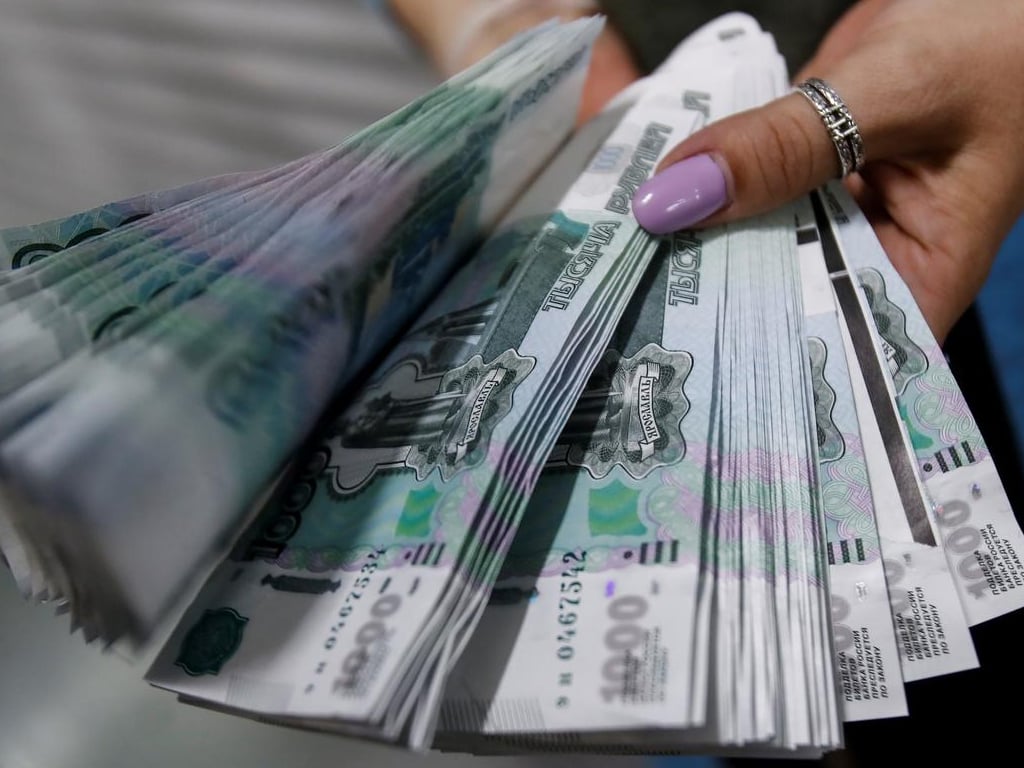

MOSCOW: The rouble briefly sank to its lowest levels since early 2016 against the euro on Wednesday, hit by concerns that Moscow's ties with the West may deteriorate further over the alleged poisoning of an opposition leader and the crisis in Belarus.
The rouble has bucked a generally positive mood on global markets this week and higher prices for its main export, oil, amid concerns Moscow might offer to prop up Belarusian leader Alexander Lukashenko or intervene in the political crisis there.
The Kremlin has also declined for now to investigate circumstances surrounding Alexei Navalny's sudden illness which German doctors said could be down to poisoning.
The rouble fell as low as to 89.8050 against the euro, its weakest since February 2016, and 75.96 versus the dollar in volatile trade, a level last seen in April. It had been as strong as 70-per-euro in early-2020.
It then pared some losses to trade around 89.43 against the euro as of 1330 GMT, and 75.89 versus the dollar .
"Russia's leadership finds itself in hot water over accusations that opposition leader Navalny was poisoned," said John Hardy, head of FX strategy at Saxo Bank.
"Germany's diplomatic response to the situation could be the next key for whether the rouble is shoved considerably lower," Hardy said, noting Germany had to balance imposing sanctions against its reliance on Russian energy.
Risk aversion hit Russian Eurobonds too, with debt maturing in 2047 falling to a three-week low of $136.01, according to Tradeweb data. The cost of insuring exposure to Russian debt via credit default swaps was at a 2-month high of 109 basis points, Tradeweb said.
The rouble clawed back some losses, after demand for government bonds, known as OFZs, exceeded the amount on offer more than three-fold.
The finance ministry offered a premium to the secondary market, helping boost demand.
However, foreign investors' share of the OFZ market slipped to 29.8% as of Aug. 1 from 30.6% a month earlier, data showed. Russia has had to double bond issuance this year to counter the fallout from the coronavirus and low oil prices,
A Navalny ally said on Wednesday he believed only President Vladimir Putin could have authorised the suspected poisoning.
The Kremlin has dismissed such suggestions but said it did not want the events to damage relations with the West.
On equity markets, the dollar-denominated RTS index fell 0.6%.
In neighbouring Belarus, the local rouble hit all-time lows as authorities pursued a crackdown on opposition leaders in an attempt to curb protests. It lost around 2% versus the dollar and euro.












Comments
Comments are closed for this article.