


Pakistan Institute of Development Economics (PIDE) has projected 15 percent inflation for the current year 2011-12. According to the Inflation Expectations Survey released by PIDE on Wednesday, public is expecting high inflation and high unemployment. However, they are optimistic about the growth rate in the coming months.
According to respondents, persistent high inflation, policy credibility and prevailing law and order situation are the major sources of public expectations about future high inflation. Respondents think that inflation in Pakistan is largely driven by bad governance, food prices, utility prices and oil prices. According to survey results, only high policy rate is not suitable to meet the inflation target (ie 12 percent).
In current PIDE Inflation Expectations Survey, respondents are expecting 15 percent inflation for August 2011. Results also indicate that expected inflation will remain about 15 percent for the next six months and 15 percent for the current year 2011-12.
According to 44.4 percent of the respondents persistent high inflation is fuelling public anger, which is followed by policy credibility (20 percent), law and order situation (17.7 percent), political crises in some of the oil producing countries and implementation of RGST (13.3 percent).
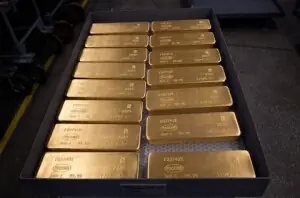
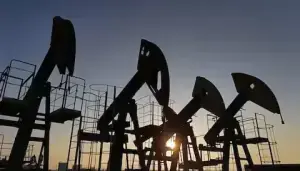
According to the survey 36.4 percent respondents think that bad governance is the major cause of high inflation. Other important causes are food prices (29.5 percent); utility prices (22.2) and oil prices (15.9 percent) are the other major contributor to high inflation in Pakistan, followed by gold prices, money supply and fiscal deficit.
In response to the question regarding the effectiveness of the policy to curb inflation, a vast majority of the respondents (91.3 percent) suggest that both monetary and fiscal policy should be used to curb the inflation. Monetary and fiscal policy in isolation is not an effective tool to control inflation. The best policy rate to control inflation according to 41.3 percent respondents is the lower policy rate. While 39.1 percent think that no change is required and only 19.6 percent say it should be higher than the current policy rate (14 percent).
Pak rupee is continuously under pressure since last several months. According to the results of survey 75.6 percent of the respondents are expecting that rupee will depreciate in the next six months. About 15.6 percent of the respondents are expecting that exchange rate will appreciate, while the remaining see no change in it in the next six months.
Survey results indicate that experts are optimistic about growth rate in the next six months. About 41.3 percent of the respondents are of the view that growth rate will remain the same in the next six months; whereas 34.8 percent are expecting higher growth in the coming months and 23.9 percent are expecting lower growth.
Majority of the respondents (58.7 percent) consider that current economic policies are not useful to enhance the growth and 32.6 percent of the respondents are not clear whereas vast majority (69.6 percent) of the respondents are expecting high unemployment in the next six months.













Comments
Comments are closed for this article.