


Torrential rainfall submerged streets and cut off electricity in parts of Saudi Arabia's second largest city Jeddah on Wednesday, raising fears of a repeat of floods in 2009 which killed more than 120 people. The last floods triggered a rare public debate about weaknesses in infrastructure in the top oil exporter, one of the world's richest countries.
Saudi Arabia is an absolute monarchy that has no elected parliament and tolerates no public protests. On Wednesday, cars floated in streets turned into rivers, while putrid odours filled the air as sewage from underground tanks overflowed and mixed with flood water in the Red Sea port of four million inhabitants which has no sewage system.
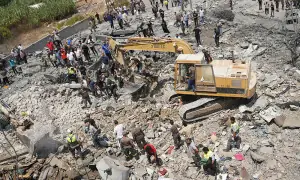
Boats and helicopters searched flooded areas and residents said many people were unable to leave schools and workplaces. Residents have long complained of neglect in the Gulf Arab state which has more than $400 billion in foreign reserves thanks to years of high oil prices.
King Abdullah, who is resting in Morocco after back operations in New York, ordered rescue operations to be stepped up, warning "anyone who may delay this order", state media said. "The order is to be implemented now without delay, to provide aid to minimise this damage, especially since the rain is expected to continue for days," the king said in a decree. Authorities urged residents to stay indoors but gave no immediate assessment of damage or casualties. A spokesman for the civil defence did not return repeated calls for comment.


















Comments
Comments are closed for this article.