



 SINGAPORE: Chicago soybean futures edged higher on Thursday as a slight decline in the US dollar supported the market even as global supplies capped gains.
Corn and wheat also gained ground after declining on Wednesday.
The Chicago Board Of Trade most-active soybean contract rose 0.1 percent to $9.87 a bushel by 0350 GMT, after closing 0.4 percent lower on Wednesday.
Corn rose 0.3 percent to $3.39-1/2 a bushel after losing 0.9 percent in the previous session. Wheat rose 0.4 percent to $3.98-1/2 a bushel after closing down 0.5 percent in the previous session.
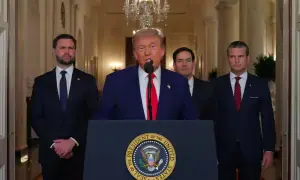
The dollar caught its breath in early Asian trading on Thursday, after charging to a 14-year high against a basket of currencies on bets the Trump administration will adopt inflationary policies.
The dollar index, which tracks the greenback against six major rival currencies, retreated 0.2 percent to 100.260, after climbing as high as 100.57 on Wednesday, its highest since April 2003.
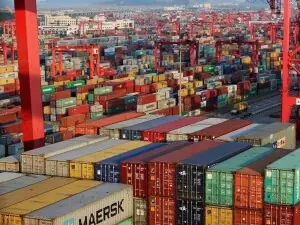
Chinese demand has been supporting the soybean market, but analysts say importers are likely to shift to South American beans early next year.
"Soybean importers are likely to shift to buying South American products," said Kaname Gokon at brokerage Okato Shoji in Tokyo.
"A stronger dollar is going to make that shift more quicker, resulting in bigger ending stocks in the United States."
The US Department of Agriculture confirmed fresh export sales of US soybeans for the third day in a row to China and other destinations.
However, Mexican demand has slumped along with the country's sinking peso as buyers withdrew from the market amid soaring costs in the week after Donald Trump won the presidential election, traders and industry analysts said.
Wheat futures declined on Wednesday despite reports of a large purchase by Algeria. The North African country's state grains agency, OAIC, bought 580,000 tonnes of optional-origin milling wheat, European traders said.
Traders thought the wheat was likely to be sourced from the United States, Germany and the Baltic states. Algeria, one of the world's largest grain importers, does not publish details of its international tenders.















Comments
Comments are closed for this article.