



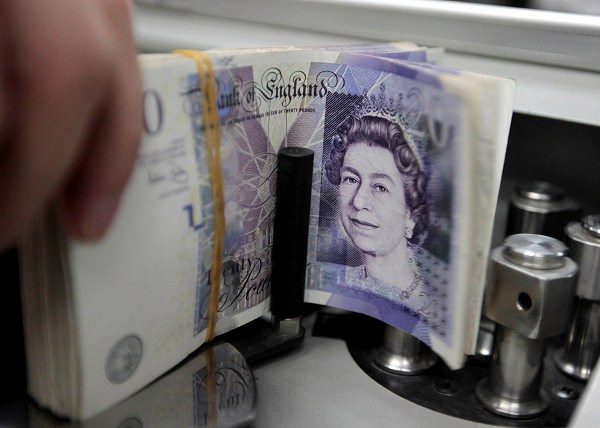
 LONDON: Sterling slipped on Wednesday after data showed British manufacturing output fell at the fastest pace in a year in July, in the immediate aftermath of Britain's vote to leave the European Union.
Manufacturing output fell 0.9 percent on the month, a bigger fall than the 0.4 decline forecasted by economists. But overall industrial output unexpectedly rose thanks to strong oil and gas production, the Office for National Statistics said.
The data are the first official figures to cover output solely for the period after the June 23 Brexit vote. Britain was plunged into political chaos in the weeks after the referendum before the formation of a new government under Prime Minister Theresa May.
But with the political backdrop having stabilised somewhat, and with a run of upbeat data leading many investors take a more optimistic view of the British economy, sterling has rebounded around 5 percent against the dollar since hitting a three-decade low in July.
It slipped half a percent on Wednesday to $1.3380, having hit a seven-week high of $1.3445 the previous day. It also fell 0.3 percent to 83.98 pence per euro.
"Sterling has been lifted in recent weeks by very strong data, but this output data shows it's been a pretty mixed bag following the referendum," said Societe Generale currency strategist Alvin Tan.
"I think what's probably more important now is the August number because of the most recent bounce that we saw in the PMIs (surveys of purchasing managers)... but we continue to see further downside risk to sterling," he said, adding he expects the Bank of England to cut interest rates later this year.
The central bank cut interest rates to a record low near zero early last month and launched an asset-purchase programme, after the initial figures incorporating the aftermath of the shock vote to leave the EU suggested Britain may be heading for a near-term recession.
BoE Governor Mark Carney will at 1315 GMT have to answer questions from parliamentarians about whether the central bank overreacted in its monetary easing last month, and will be watched for clues on possible further action.
"I don't think they're going to close the door at this stage to further policy measures," said Rabobank currency strategist Jane Foley. "Whilst the data has been encouraging, I don't think the Bank will want to limit their options at this stage."
A majority of economists in Reuters poll published on Tuesday reckoned the BoE will hold fire in September but will cut rates by a further 15 basis points at its Novemenber meeting.

























Comments
Comments are closed for this article.