



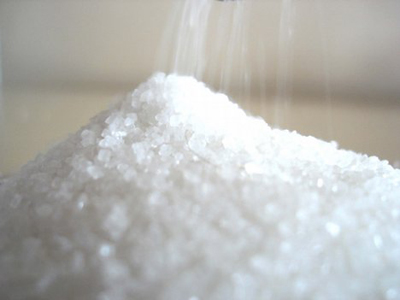
 NEW YORK/LONDON: ICE raw sugar futures climbed on Friday in fairly thin volume, boosted by speculative and fund buying, while arabica coffee tumbled in a flurry of late-day selling unmatched by roaster buying.
Cocoa settled lower.
Although raw sugar rallied, the market wound up pretty much where it ended last week as the key March contract traded in a band running from 23.50 cents to 26.50 cents per lb.
Consumer interest also helped lift sugar. Brokers fielded inquiries from possible customers who feel sugar has gone down enough to book orders for some forward coverage.
March raw sugar on ICE jumped 0.52 cent, or 2.1 percent, to settle at 25.16 cents a lb.
"It's spec (speculative) and algo-style (algorithmic) buying. There's no fresh news driving the market," a London-based sugar futures dealer said. "Volumes are quite low, so someone can come in and push prices easily."
Every year around this time, the world's commodity index managers go through the annual rite of rebalancing their mix, shifting ratios that can swing billions of dollars from one market to another come January.
Sugar prices have been sliding in recent weeks as the market's focus turns increasingly to anticipated large crops in the northern hemisphere. The March contract has fallen about 17 percent after rising to a peak of 30.60 cents in August.
Open interest on ICE sugar has fallen to a near five-year low and speculators cut their net long position in futures and options to the lowest level since January 2009, in the volatile week ending Oct. 4, US Commodity Futures Trading Commission (CFTC) data showed post-market.
"The sugar markets have been able to glean support from the rising commodity complex in the past week, but with speculators selling and more sugar expected to arrive on the market in the coming months, we expect further downside," Rabobank said in a market update on Friday.
December white sugar futures on Liffe closed up $12, or 1.9 percent, at $653.70 a tonne.
UPWARD BOUNCE DERAILS
Arabica coffee futures gave back Thursday's gains on profit-taking as the short-covering rally that followed Monday's 10-month low stalled. The market extended its losses late in the session on a wave of long liquidation by funds and the trade. The December contract fell on a lack of roaster buying, triggering automatic sell orders below $2.2675 per lb, dealers said.
"The market in coffee just cannot hold these gains. People are taking money right back out after they put into it this morning," said Hector Galvan, senior market strategist at brokerage RJO Futures in Chicago.
Dealers said the prospect for a record harvest in Vietnam was helping to weigh on the coffee market, particularly robustas, while there remained the potential for Brazil's next crop to be the largest on record.
"Rains finally arrived in Brazil, providing relief to the recent drought and in time for flowering of the next bumper crop due mid-2012," Kona Haque, soft commodities analyst with Macquarie Bank, said in a report.
December arabica coffee futures on ICE reversed early gains and tumbled 10.05 cents, or 4.3 percent, to finish at $2.2435 per lb.
Speculators increased their net short position in arabica futures and options by Oct. 4, their biggest net short position in seven weeks. They inflated their net shorts in US cocoa to a record high for the third straight week, CFTC data showed.
January robusta coffee on Liffe also erased early gains and finished down $68, or 3.3 percent, at $1,983 per tonne.
Cocoa futures settled lower after another choppy session as the market lacked any fresh fundamentals to provide direction, after hitting the lowest level in more than two years on Tuesday, dealers said.
Total open interest in US cocoa futures climbed above 188,000 lots on Oct. 6, the highest since February 2008, ICE data showed.
"Open interest is likely mostly short open interest and that's what helped bring this market down," Hector said.
ICE December cocoa inched down $8 to settle at $2,652 a tonne, ending the week up 1.7 percent.
Cocoa output in Indonesia, the world's third-largest producer, is seen down about 25 percent this year due to wet weather and disease and will improve in 2012 to a level below initial estimates, the Indonesian Cocoa Association (Askindo) said on Friday.
Liffe March cocoa finished down 17 pounds at 1,746 pounds per tonne as the sterling advanced against the dollar.






















Comments
Comments are closed for this article.