



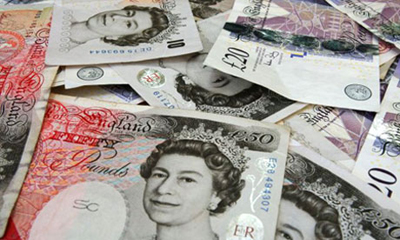
 LONDON: Sterling fell to a three-week low against the euro on Friday after a gauge of UK manufacturing tumbled, leaving the pound on track for its biggest weekly losses against the single currency in almost four years.
Financial data company Markit said its monthly Purchasing Managers' Index (PMI) for manufacturing dropped to a seven-month low of 51.9 in April, below all the forecasts in a Reuters poll of 31 economists.
That added to worries about Britain's economic recovery just six days before national elections that look unlikely to hand any party an overall majority.
It followed data earlier in the week showing a sharper-than-expected slowdown in the first quarter of the year.
Sterling slid 0.7 percent against the euro to 73.62 pence , its weakest since April 6. That left it down almost 3 percent since Monday, its worst performance since June 2011, suffering as the single currency has rallied on improving euro zone data and rising bond yields.
The pound also fell to an intraday low of $1.5293, down 0.4 percent on the day.
"In terms of what's happening in the labour market and wages, which are beginning to show signs of picking up, I wouldn't be too concerned at this point, although (the data) is a fairly big miss," said Derek Halpenny, European head of global markets research at Bank of Tokyo-Mitsubishi UFJ.
Separate data released on Friday showed lending to British consumers rose in March by the most since before the financial crisis.
Business borrowing showed its strongest rise in at least four years.
The cost of protection against volatility in the pound over the next week jumped. The one-week sterling/dollar implied volatility, which expires on May 8, rose to 14.775 percent, its highest since the Scottish independence referendum last September, Reuters charts showed.
Polls show the ruling Conservatives and the main opposition Labour Party virtually tied before the May 7 elections.
Support for Scotland's nationalist party has surged, making a hung parliament the most likely outcome.
"From a macro and longer term perspective, we see limited value in staking a sterling position before the election," wrote Citi strategist Josh O'Byrne in a research note.
"Further ahead, we're more skeptical of a lasting spot bias from either side of government and think instead focus can shift to the state of the economy and the risk backdrop more broadly."
UK government bond futures rose after the UK data. June gilt futures stood at 118.65, up 53 ticks on the day, from 118.57 just before the data. Ten-year gilt yields dipped 1 basis point to 1.79 percent, down 4.2 bps on the day.

























Comments
Comments are closed for this article.