



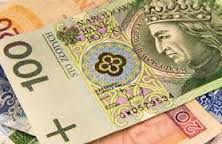
 BUDAPEST: Central Europe's main currencies weakened on Wednesday, although the zloty remained near multi-year highs after Poland's central bank avoided commenting at a news conference on its recent strength.
Hungary's forint led the weakening, shedding 1.2 percent against the euro by 1530 GMT. The Hungarian central bank said a planned tax cut would depend on banks increasing corporate lending. Managing Director Martin Nagy also said more measures might be adopted to help foreign currency borrowers.
In Poland, a central bank news conference was closely watched after the zloty strengthened beyond 4.0 against the euro on Tuesday for the first time since August 2011.
Some investors thought that the bank could try to talk down the zloty, since its gains hinder exports and keep inflation low. But Governor Marek Belka said he would not say much on the zloty, although the bank was watching the exchange rate.
The press conference followed a central bank meeting at which the main interest rate was left unchanged at 1.5 percent, as expected. Belka reiterated last month's promise that the bank had ended its rate-cuts cycle.
The zloty slipped eased 0.2 percent to 4.026 per euro by 1530 GMT.
Likely monetary tightening by the Federal Reserve later this year could reverse any further zloty gains, said Jakub Borowski, chief economist of Credit Agricole Bank Polska.
"The announcement and comments (by Belka) signal a lack of concern with the current zloty appreciation slightly positive for the zloty and the bond market," he said.
Further strengthening towards 3.8-3.9 against the euro could lead the central bank to intervene, at least verbally, said Katarzyna Rzentarzewska, analyst of Erste Group, in a note.
Some other central banks in the region, like Hungary, are expected to loosen monetary policy further to lift inflation from low levels and weaken their currencies.
The crown eased 0.4 percent to 27.45 against the euro after Czech central bank Vice Governor Vladimir Tomsik said the bank was always ready to react to high crown volatility.
The bank has pledged to cap its currency's value at 27 crowns or more to the euro until at least the second half of 2016. Earlier this year, the crown's value approached the cap, leading to speculation the bank might amend its policy regime to weaken the currency.


























Comments
Comments are closed for this article.