



 LONDON: Emerging market assets continued to struggle on Friday, with a slowing China and political tensions around Russia depressing the mood while a sinking yen raised concerns about Asian economies competing with Japan.
With Brent crude near a four-year low below $78 per barrel and a ceasefire in eastern Ukraine looking precarious, Russian assets suffered more pain, while commodity exporters like South Africa and Nigeria also saw their currencies slide.
"You have these two major forces, weaker yen, lower oil and this is percolating through the emerging market space," said Ilan Solot, a strategist at Brown Brothers Harriman.
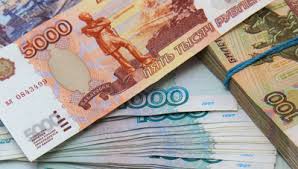
The possibility of new sanctions against Russia loomed over the rouble, pushing it 1.4 percent lower against the dollar as Western leaders renewed rhetoric ahead of a G20 meeting in Australia.
Russian dollar bonds were also lower, while the dollar-denominated RTS stocks index was down 1.2 percent, close to a five-year low reached earlier this month.
Ukraine's currency made a partial recovery, strengthening 1.8 percent on the dollar in the wake of an interest rate hike.
Ukrainian debt insurance costs remain near five-year highs hit on Wednesday, with five-year credit-default-swaps at 1,422 basis points, according to financial data provider Markit.
The MSCI emerging stocks index dropped 0.3 percent while the Asia excluding Japan index fell 0.2 percent, following soft Chinese data earlier in the week.
A weakening yen has also raised concerns about Asian exporting economies such as Korea which compete with and export to Japan.
As the yen touched a seven-year low against the dollar, Korea's won dropped 0.4 percent, nearing a 14 month low, and headed for a third consecutive weekly loss.
In Europe, Hungarian stocks fell as the prime minister said he expects two thirds of the banking sector to end up in local hands, meaning more foreign owned lenders will have to sell, possibly at reduced prices.
Hungary and Poland both published forecast-beating growth data, albeit showing growth rates are slowing.
In Warsaw, stocks were up 0.1 percent and the zloty nudged higher.
Fund flow figures from consultancy EPFR cited by bankers showed emerging market funds saw $270 million of new money flow in during the week, largely attributed to Asian investments.




















Comments
Comments are closed for this article.