



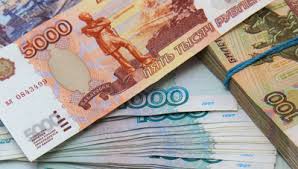
 MOSCOW: The rouble hit a new record low against the dollar on Thursday, prompting over $2 billion in central bank interventions after Russia's top oil firm sought huge amounts of state cash and firms scrambled for dollars.
At 1300 GMT, the rouble was 0.56 percent weaker at 41.65 against the dollar after earlier hitting 41.71 against the greenback for the first time.
It was 0.67 lower at 52.74 versus the euro, earlier touching another all-time low against the single currency.
Rosneft, Russia's top oil producer which has been hit by Western sanctions over the Ukraine crisis, has asked for more than $50 billion in state aid to help pay off its debt.
The figure is more than the $40 billion or so the company had asked for in August. The cash support would come from the National Wealth Fund, one of Russia's two sovereign wealth funds.
"The market's reaction is understandable because the roubles for Rosneft, taken from the National Wealth Fund, could be spent to purchase foreign currency to repay its debts," Dmitry Polevoy, chief Russia economist at ING Bank, wrote in a note.
"We believe that the company will not receive all the funds, because if that were happen, the market (and not only the forex market) and investors would get yet another signal about the quality of governance in the country." Rosneft must repay 440 billion roubles' worth of debt by the end of this year and 626 billion roubles next year.
Demand for dollars also came from other Russian companies and banks that have to repay a total of $55 billion in foreign currency debts in the fourth quarter and are locked out of international capital markets due to Western sanctions.
Investors were generally cautious on rouble-based assets on Thursday amid speculation that international ratings agency Standard and Poor's could downgrade Russia's sovereign debt to 'junk' status at a ratings review expected on Friday.
Crude prices were a source of pressure in morning trading after falling nearly $2 late on Wednesday, but Brent futures later rose above $85, providing some support to the rouble.




















Comments
Comments are closed for this article.