



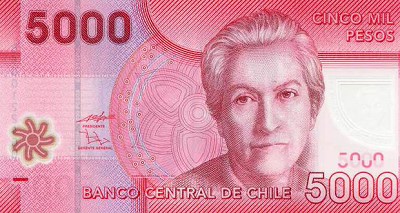
 SANTIAGO: The Chilean peso extended the year's falls, weakening further on Wednesday following the central bank's decision to reduce the benchmark interest rate and leave the door open for further cuts in the world's top copper exporter.
On Tuesday after the market close, the central bank cut rates to 4.25 percent from 4.5 percent, as expected. Crucially, it kept in place its bias towards further easing, citing an economy that continues to lose strength.
By the session close on Wednesday, the peso had fallen 0.85 percent to bid 552.40 to the US dollar. The IPSA stock index fell 0.8 percent.
Traders said the peso had come under pressure as the bank move was seen as likely to dissuade capital inflows.
There was high demand for dollars, prompting heavier trade than usual, they said. Year-to-date, the peso has weakened around 4.8 percent, compared to a fall of 9.0 percent in the whole of 2013.
Fears of the impact of the US Federal Reserve's plans to withdraw stimulus and slowing growth in China led to a general rout in emerging markets over the past month.
Many central banks have reacted by raising rates to prop up their currencies. But with the luxury of steadily low inflation, Chile's bank board has preferred to cut to try to stimulate the economy.
"I think that the conditions are there so that we can have inflation completely inside the central bank range.
So, yesterday when the bank decided to lower the rate, that sends a message that inflation is under control," said Felipe Larrain, Chile's outgoing finance minister, at a press conference on Wednesday.
Lowering rates makes imports cheaper and can run the risk of fanning inflation.
The more aggressive stance of the central bankwhich began its easing cycle in October after 20 months of holding the rate at 5.0 percent would likely affect fixed income and local currency markets, said brokers at BICE Inversiones on Wednesday.
In the short term the exchange rate could return to the 560 peso level that it hit in early February, a four-year low, BICE said.




















Comments
Comments are closed for this article.