


India central bank may cut lenders' key debt ratio

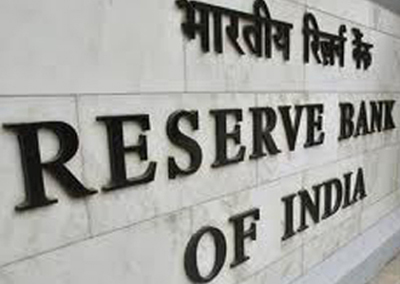 COLOMBO: India's central bank is considering cutting the held-to-maturity (HTM) ratio for lenders starting in April, while also looking into bond purchases via open market operations in the next two months to improve liquidity, a top official said on Saturday.
A cut in HTM which is a type of debt that banks must be hold till maturity is aimed at spurring banks to lend more and boost a sluggish economy poised to grow at its slowest pace in a decade.
The limit is currently set at 25 percent but traditionally has been aligned with the banks' statutory liquidity ratio (SLR), or the mandated portion of deposits which banks must invest in government bonds and other approved securities, which is currently at 23 percent.
"Maybe we can do it in a phased manner, quarterly basis, half yearly basis till the time it is phased out," Reserve Bank of India deputy governor H.R. Khan told Reuters on the sidelines of a conference in Colombo, regarding reducing the gap between the SLR and HTM ratios.
"Implementation could be from early next year," he added, referring to the fiscal year that starts in April.
The RBI uses several tools to manage the country's persistent cash deficit, including requiring banks to hold onto different categories of debt via the HTM and SLR ratios or buying bonds from investors. The HTM can be reshuffled after obtaining the central bank's permission.
The RBI had said in October it was looking into a recommendation from a central bank committee to cut the HTM ceiling, bringing it in line with the SLR.
Traders have said a reduction in the HTM limit could hit bond prices, given debt supply would increase as banks would be allowed to sell some of their tied-up securities.
Concerns about India's liquidity deficit have been exacerbated in recent days as the government has been cutting spending to meet its fiscal deficit target of 5.3 percent for the fiscal year ending in March.
As a result, India's bond yields rose to a near one-month high on Friday.
The RBI on Jan. 29 cut the cash reserve ratio (CRR), yet another liquidity tool through which the central bank sets the amount of cash deposits that lenders must hold.
However, the action disappointed investors, who had hoped the RBI would also inject liquidity via bond purchases conducted through open market operations (OMOs), which would most directly benefit debt markets.
Khan said the RBI could still resort to OMOs in February and March, the last two months of the current fiscal year, and was watching government spending.
"As things pan out we will see and if it is becoming a pattern we will do OMOs in addition to CRR," Khan said referring to reduced government spending.
"There could be OMOs in the next 2 months," he added.























Comments
Comments are closed for this article.