


Latam markets slide as Trump hits China with new tariffs

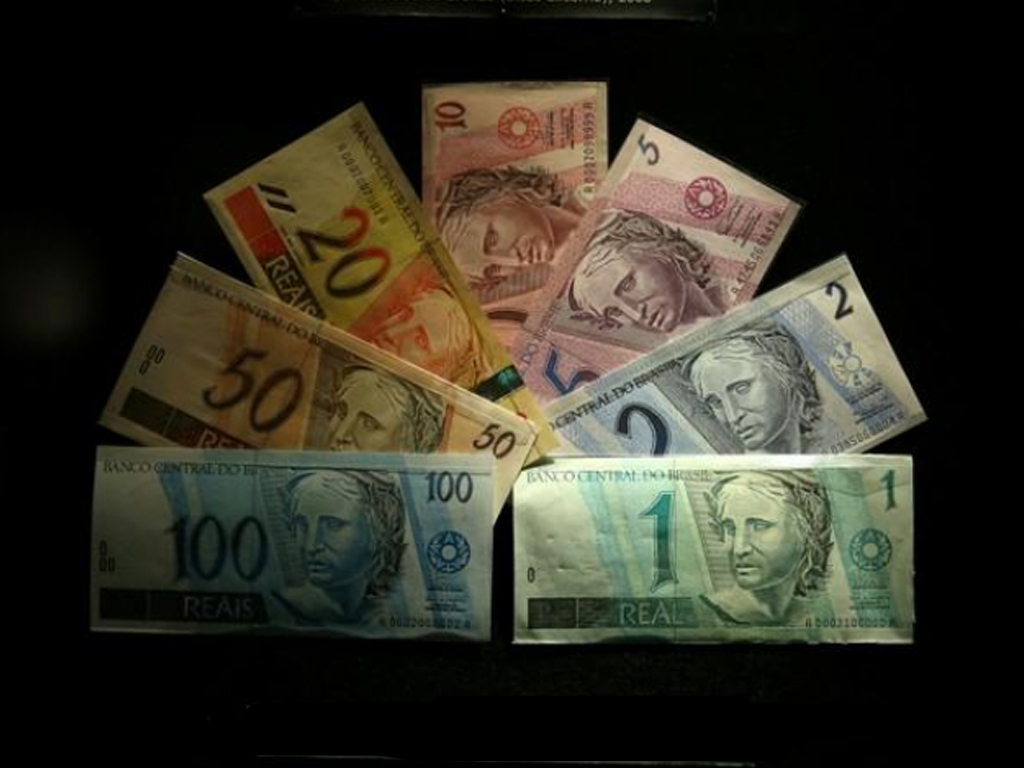
Latin American currencies and stocks tumbled on Thursday after US President Donald Trump said he would impose additional tariffs on Chinese goods, driving investors to dump risky assets on fears of a further hit to global growth.
The MSCI index of Latin American currencies fell about 1.75%, its biggest percentage decline in over four months, with Brazil's real shedding slightly more than 1% to touch its weakest level since early July.
Trump said he would impose an additional 10% tariff on $300 billion worth of Chinese imports starting Sept. 1, as talks aimed at easing tensions between the world's two largest economies continue.
"It's just more friction in the global economy and a situation where the market has been betting on this situation getting better and then having the benefit of interest rate cuts, and now the situation is getting worse. I would expect we see risk-off trading for the next week or two," said Michael O'Rourke, chief market strategist at JonesTrading.
Emerging market currencies were already under pressure from a resurgent dollar after the US Federal Reserve on Wednesday dampened hopes for a long interest rate-cutting campaign, hopes of which had encouraged capital flows into risky, emerging assets this year.
"The hawkish cut from the FOMC opens up increased monetary policy divergence between the US and EM as many emerging market central banks have embarked on easing cycles, some in aggressive fashion," Morgan Stanley analysts said in a note.
The latest was Brazil's central bank, which cut its benchmark interest rate to a new low of 6.00% on Wednesday, an aggressive first move in a widely anticipated easing cycle as it noted that growth in Latin America's biggest economy remained weak.
Currencies of resource-rich Latin America were also hit by a 7% slump in oil prices and other commodities such as copper and iron ore. The Colombian peso, down 1.8%, was the worst hit due to sliding prices of oil, the country's top export.
Sao Paulo-listed stocks bucked the gloom, gaining 0.2% as shares in food processor JBS SA jumped 5% after its Pilgrim's Pride Co unit reported better-than-expected quarterly profit.
Shares of state-run electricity company Eletrobras rose more than 6% on news President Jair Bolsonaro will meet with the chief executive to discuss the company's "potential privatization."
Miner Vale shed more than 2.5% after it said it swung to a quarterly loss after giving $2 billion in fresh writedowns for two deadly dam bursts.
Mexican stocks were down 1%, while the peso slid after data showed activity in the country's manufacturing sector shrank in July compared with the previous month, the second straight contraction.




















Comments
Comments are closed for this article.