


Oil prices look set to stay strong for the rest of this year and in 2019 thanks to supply disruptions and as extra oil from Opec fails to meet rising demand, a Reuters poll showed on Friday. A survey of 35 economists and analysts forecasts Brent crude will average $72.58 a barrel in 2018, 90 cents higher than the $71.68 forecast in last month's poll and compared with the $71.15 average so far this year.
The monthly survey sees US crude futures averaging $66.79 a barrel in 2018, compared with $66.47 forecast last month. "Supply deficit in the oil market is here to stay," Frank Schallenberger, head of commodity research at LBBW, said.
"I expect Opec to increase production by some 600,000-800,000 barrels per day till the end of the year. This won't be enough to compensate for rising demand and declining output in countries like Iran or Venezuela." Last week, the Organization of the Petroleum Exporting Countries led by Saudi Arabia and its allies including Russia agreed to boost oil supplies.
The group, which has curbed output since 2017 in an attempt to address a global supply glut, said it would return to 100 percent compliance with previously agreed output cuts, after months of underproduction, partly due to unplanned disruptions.
Global oil markets remain tight with unplanned supply stoppages from Libya, Venezuela and more recently, an outage at Canada's Syncrude upgrader that has especially strained North American markets. "A number of other geopolitical risks weigh on the global outlook, and these are likely to have a larger impact on prices than in previous years, when oil stocks were comfortable," said Cailin Birch, an analyst at the Economist Intelligence Unit.
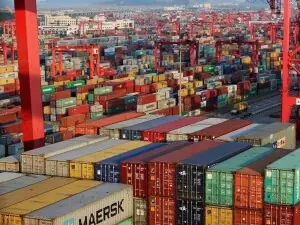
Also threatening global supplies are the implementation of US sanctions on Iran in November. US trade tensions with China and elsewhere could also have an impact on oil supply. Asian oil demand growth is likely to remain strong, and industry analysts expect it to increase by around 800,000-900,000 bpd over this year and next.
"The threat of tariffs on US oil imports (by China) could alter the usual seasonality of oil flows," said Daniela Corsini, commodity market economist at Intesa Sanpaolo in Milan. A majority of analysts who participated in the poll, however, said they did not expect a significant impact in the short term from the trade dispute between the United States and other major economies including China.
"Rising risk aversion could weigh on business sentiment, investment decisions and oil demand ... Import tariffs could also make oil purchases more expensive, leading to higher oil prices," said Commerzbank analyst Carsten Fritsch.


















Comments
Comments are closed for this article.