



 MOSCOW: Russian warnings to the West and its Arab allies to keep their hands off Syria hide a slight chance for compromise on a UN resolution aimed at halting bloodshed in the country, but a demand for President Bashar al-Assad to step aside could be a deal-breaker.
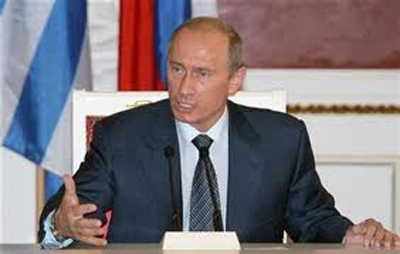
With Prime Minister Vladimir Putin facing the biggest protests of his 12-year rule and planning to return to the Kremlin in a March presidential vote, Russia wants to avoid stamping its approval on any regime change engineered from outside.
Moscow has been busy drawing "red lines" as it comes under pressure to stop shielding its old ally Assad and to use its power as a veto-wielding UN Security Council member to push Damascus into ending the crackdown which has killed thousands of civilians.
Russia has erected a wall of noise, emphasising it opposes sanctions against Syria a major customer for its arms - and making clear it will block any attempt for the Council to endorse military intervention.
The latest test of Russia's resolve, a new draft resolution backed by Western and Arab powers led by Saudi Arabia and Qatar, does not call for new sanctions or threaten military action but it does call for Assad to cede power.
The draft says the Council supports an Arab League plan "to facilitate a political transition leading to a democratic, plural political system ... including through the transfer of power from the President and transparent and fair elections."
Moscow could potentially be appeased if the draft's supporters remove the specific reference to the transfer of power by Assad or add a clause ruling out military intervention.
However, it may also demand a clear statement that Assad's more violent opponents share blame for the bloodshed. Russia would also be pleased by the removal of a clause calling for "further measures" if Syria does not comply swiftly, wording that to Moscow smacks of sanctions.
Gennady Gatilov, a deputy foreign minister, said on Friday that Russia would not support a demand for Assad's resignation and warned that a rushed vote would be doomed to failure, indicating Moscow could veto the draft in its current form.
Putin has said little publicly on Syria for months, letting diplomats do the talking, and President Dmitry Medvedev is formally responsible for foreign policy.
But Putin, who is expected to win a six-year Kremlin term despite a drop in popularity from previous highs, is widely believed to be guiding Russia's Syria strategy.
Russia and China used a double veto in October to block a Western-backed draft resolution condemning Assad's government for its crackdown on pro-democracy protesters and opponents, which the United Nations says has killed more than 5,000 people.
Western diplomats say Russia might find it difficult to veto a resolution they say is simply intended to provide support for the Arab League, whose efforts to end the Syrian violence have generally been welcomed by Moscow.
























Comments
Comments are closed for this article.