


LPG: crisis beyond prices
Pakistan faces a severe LPG crisis driven by import disruptions and soaring prices, impacting millions reliant on it for cooking and heating. This highlights critical energy vulnerabilities and regulatory failures.
- Causes of Pakistan's LPG supply chain disruptions.
- Impact of soaring LPG prices on rural households and transport.
- Discrepancy between official and market LPG prices.
- Government strategies to ensure LPG availability and affordability.
- LPG's significant contribution to rural inflation.
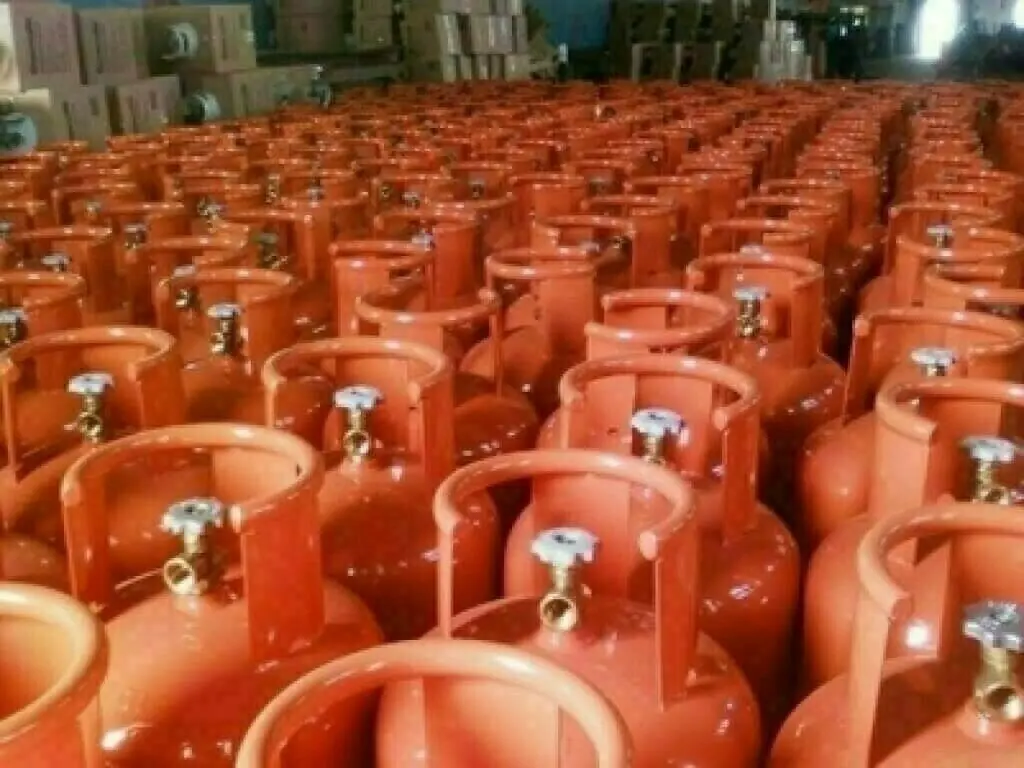
Pakistan’s energy vulnerabilities tend to be discussed in terms of oil, LNG and electricity. LPG rarely commands the same attention. That may have to change.
Retail prices maxed around Rs7,000 for an 11.6kg cylinder, with reports of even higher rates this week. That is more than double the price a year ago, turning what was once a relatively affordable alternative to piped gas into an increasingly expensive necessity.
The immediate trigger is hardly mysterious. Pakistan’s LPG supply chain is heavily dependent on imports, a significant share of which comes from Iran through overland routes. With the Pakistan-Iran border trade disrupted and supplies from Qatar suspended amid the US-Iran conflict, the market has lost access to two important sources of supply.
The problem is that LPG is not a marginal fuel for the households that depend on it. Millions of families, particularly in rural, remote and northern areas without access to piped natural gas, rely on cylinders for cooking and heating.
LPG is also increasingly used by three-wheelers, where it serves as an alternative to more expensive conventional fuels. For these consumers, the price spike is not a discretionary expense that can simply be postponed. It is an increase in the cost of meeting basic energy needs.
And the timing could hardly be worse. Winter brings a seasonal increase in LPG consumption, with daily demand estimated to rise from around 4,000-4,500 tons to 6,000-7,000 tons. That is a potential increase of roughly 50 percent or more just as the traditional overland supply route is under strain.
Even if the government manages to secure replacement cargoes, the additional freight, procurement premiums and logistical costs could keep prices elevated. If supplies fail to keep pace with seasonal demand, consumers could face the double burden of higher prices and outright shortages.
The distinction matters. An expensive cylinder is a problem of affordability; an unavailable cylinder is a problem of access. In areas without reliable alternatives, the latter can be considerably more damaging.
There is also a regulatory problem that the current crisis has brought into sharper focus.
The Oil and Gas Regulatory Authority’s notified price for October stands at around Rs280 per kilogram, equivalent to roughly Rs3,300 for a standard domestic cylinder. Yet retail prices in some markets have reached Rs600 per kilogram or more, while reports from remote and northern areas put the rate as high as Rs700-800. The official price, in other words, has become a poor guide to what consumers actually pay.
The inflationary implications extend beyond the LPG market. LPG carries a significant weight of around one percentage point in the rural consumer price basket. A sustained increase in retail prices would therefore feed directly into measured rural inflation, with further pressure possible through transport and other activities that rely on the fuel.
The precise impact will depend on the duration of the shock, the extent to which higher prices persist and how much of the increase is captured in the official price data. But with inflation already a concern, another energy-driven cost shock is the last thing households need.
There is a distributional dimension as well. Households connected to piped gas may be able to shift some consumption between fuels, even if they face their own supply constraints. Families in areas without gas networks have far fewer options.
The same is true of small transport operators using LPG to manage fuel costs. Higher prices will either squeeze already limited household budgets or force users to cut consumption, seek inferior alternatives or absorb lower earnings. The burden will not be evenly distributed.
This is where the government needs to distinguish between correcting the market and protecting consumers. Keeping the notified price artificially low while the market trades at multiples of that rate has plainly failed to ensure affordability. But simply raising the ceiling to import parity risks legitimizing a price shock without resolving its underlying cause.
Any transition to a new formula should therefore be accompanied by transparent publication of landed costs, effective competition among importers, credible enforcement against hoarding and profiteering, and targeted support for vulnerable households.
The immediate test is whether the government can secure enough LPG before winter demand peaks. The longer-term test is whether Pakistan can reduce its dependence on a narrow set of suppliers and routes while building a pricing framework that rewards domestic production without allowing procurement inefficiencies to be passed unchecked to consumers.
LPG may not dominate the national energy debate, but for millions of households it is the difference between having a workable source of heat and cooking fuel and having none. If the current disruption proves temporary, the price spike may eventually ease. If it persists into winter, Pakistan could face a much larger crisis than an expensive cylinder.
The question is no longer simply what LPG should cost. It is whether the country can ensure that enough of it is available when people need it most.













Comments