


Bangladesh offers rooftop solar incentives to ease power shortages
- The announcement comes after power shortages climbed to nearly 4,000 megawatts at their peak in August
Bangladesh has launched an incentive program for rooftop solar systems with battery storage to combat severe power shortages and reduce reliance on imported fuels. This initiative aims to boost renewable energy and stabilize the national grid.
- Incentives for surplus rooftop solar electricity.
- Bangladesh's ambitious renewable energy targets.
- Causes and impact of severe nationwide power shortages.
- Rooftop solar as a rapid, land-efficient energy solution.
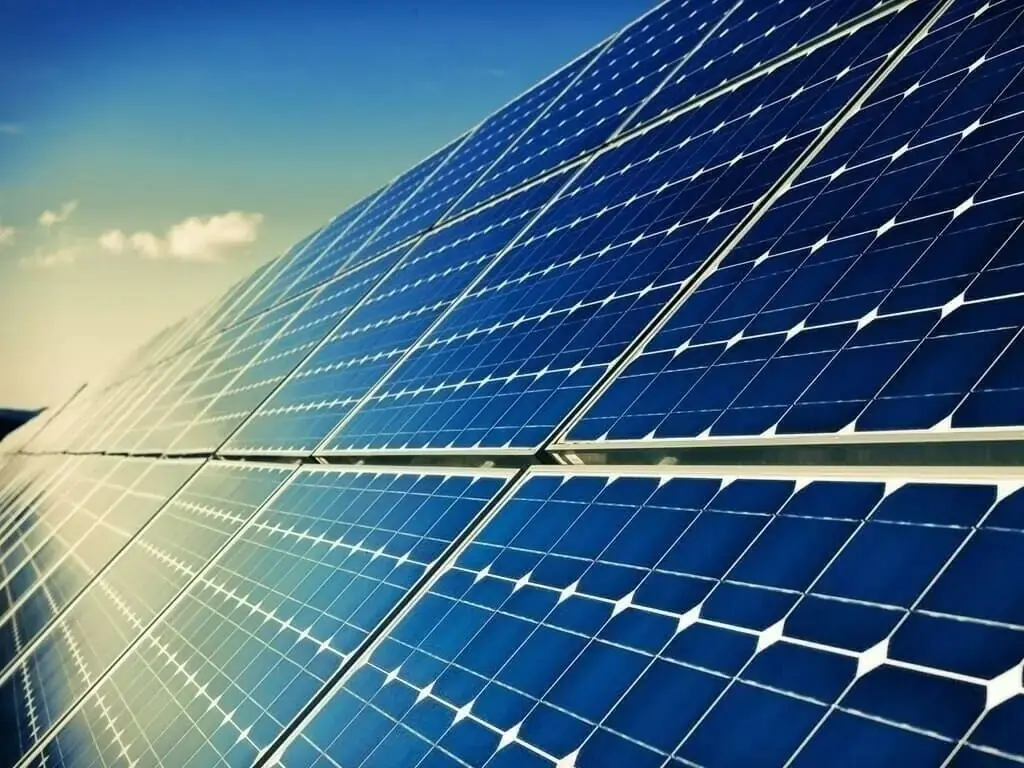
DHAKA: Bangladesh has launched an incentive programme for rooftop solar systems with battery storage, aiming to ease power shortages and reduce the country’s dependence on imported fuels.
The South Asian nation of 175 million people is grappling with its worst power shortages in years, exacerbated by a lack of natural gas and concerns over global fuel supplies as the Iran war stokes broader Middle East tensions.
Under the programme, consumers installing eligible rooftop solar systems by February 28, 2027 will receive 10.50 taka ($0.086) per kilowatt-hour for surplus electricity fed into the national grid for three years, according to a government notification.
Bangladesh aims to generate 20% of its electricity, or about 5,500 megawatts, from renewable sources by 2030, with the share rising to 30% by 2040, as it seeks to cut reliance on imported fossil fuels.
The announcement comes after power shortages climbed to nearly 4,000 megawatts at their peak in August, triggering widespread outages across the country.
A shortage of natural gas has left power plants operating below capacity, while constraints on coal and fuel oil supplies have added to pressure on the electricity system.
The government has been scrambling to secure oil and liquefied natural gas (LNG) supplies, but long queues at compressed natural gas (CNG) stations, reduced industrial output and prolonged power cuts have highlighted the economic and social toll of the crisis.
The government has capped the generation cost of rooftop solar power, including battery storage, at 8 taka per unit.
The incentive payment includes a 20% profit margin and an additional premium. Consumers who install systems below the benchmark cost will be allowed to retain the savings.
Bangladesh currently has about 1,559 megawatts of renewable energy capacity, most of it solar.
Energy officials see rooftop systems as a faster way to expand electricity generation alongside utility-scale renewable projects.
The instability in the Middle East has heightened concerns about fuel-price volatility and potential supply disruptions, underlining Bangladesh’s vulnerability as a major energy importer.
Authorities view rooftop solar as a relatively quick and cost-effective way to boost renewable energy capacity without requiring large tracts of land in one of the world’s most densely populated countries.
Battery storage is expected to help consumers use solar power beyond daylight hours and reduce demand on the grid during peak periods.





















Comments