


India auto lobby withdraws warning on ethanol fuel damage to revise numbers
- Automakers warn government of ethanol fuel contamination
India's auto industry withdrew its warning about contaminated ethanol-blended fuel damaging vehicles, sparking consumer anger and questions about the government's controversial E20 policy.
- Auto industry's retracted warning on E20 fuel damage.
- Consumer concerns regarding vehicle performance and damage.
- Government's stance on the ethanol-blending policy.
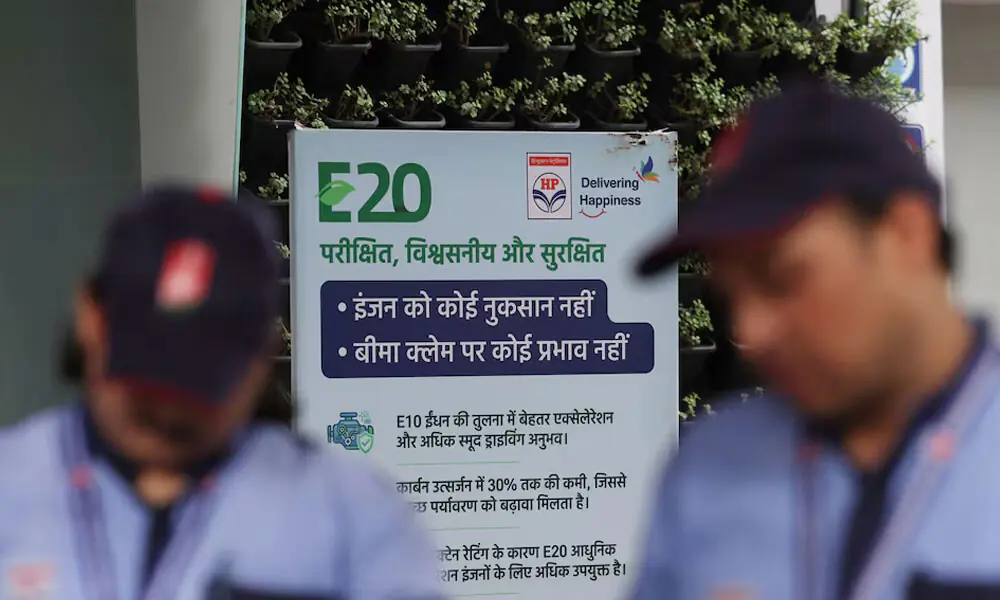

NEW DELHI: India’s auto industry said it would revamp numbers furnished to the government as it withdrew its first warning of damage to vehicle parts caused by contaminated ethanol-blended fuel, stoking consumer anger over the contentious policy.
Tuesday’s move came hours after media reported the group’s warning, sparking public uproar and forcing the petroleum ministry to issue a clarification.
“The referred numbers reported in the media need authentication,” the Society of Indian Automobile Manufacturers said in a statement, “… and therefore SIAM is withdrawing its earlier communication.”
SIAM, which sent its warning on July 28, and the recipient, India’s petroleum ministry, did not immediately respond to requests for comment.
With their letter, seen by Reuters, India’s automakers accept for the first time issues stemming from a mandatory policy that sparked street protests, legal cases and consumer anger after the government rolled it out at 90,000 fuel pumps.
The lobby group did not deny the issue of contamination in its statement, but said some numbers quoted “need authentication through collection of elaborate data … across the country followed by a comprehensive consultation”.
The group, whose members include Maruti Suzuki, Tata Motors, Toyota Motor Corp and Mercedes Benz, did not say when the efforts would be completed, however.
Questions from vehicle owners
Vehicle owners are at best sceptical about the U-turn.
“Did the science change overnight, or did the ministry call?” Nachiket Deshpande, one of dozens of angry social media users, asked on X.
The policy of blending 20% ethanol in petrol to yield a product called E20 replaced E10 nationwide in 2025.
That was well ahead of a 2030 deadline as Prime Minister Narendra Modi’s government sought to cut costly petroleum imports, although E20-compliant cars had only begun hitting the roads in 2023.
The rollout provoked uproar instead among consumers who blame the fuel for mileage drops and vehicle damage, with many demanding a choice of lower ethanol blends, particularly for vehicles that cannot use E20.
The government sought to soothe the concerns with press statements and social media campaigns, drafting in executives from leading carmakers such as Maruti and Hyundai to defend the roll-out at a July press conference.
Warnings of corrosion or wear
In its missive to the ministry, the group warned of elevated chloride and moisture levels in E20 fuel sold at retail outlets nationwide.
“Members are observing a huge increase in the issues in customer vehicle parts and replacement. Investigations … reveal the failure is due to corrosion or wear caused by high chloride presence which is traced to the fuel used,” it said.
Car parts in direct contact with the fuel or engine emissions suffered the most, “specifically after E20 implementation”, it added.
It also flagged high moisture levels in the fuel that it said could immobilise the vehicle immediately after fuelling, calling on the ministry for tougher quality checks against contamination.
Fuel quality is monitored on a regular basis by oil marketing companies and only two cases of chloride contamination were found in a sample of 2,000 tests, the ministry had said on social media on Tuesday.
Speaking to Reuters on condition of anonymity on Wednesday, a senior government official called the fuel concerns a “misinformation campaign” against E20, playing out mainly on social media with no real evidence in cars on the road.




















Comments