


Water security cannot wait
Pakistan faces a complex water crisis, exacerbated by climate change, underinvestment, and governance issues, demanding a comprehensive national water security policy for economic, food, and national security.
- Pakistan's growing vulnerability to floods and water scarcity.
- The intersection of climate change, economy, food, and national security.
- Escalating costs and delays in major hydropower projects.
- Geopolitical implications of the Indus Waters Treaty.
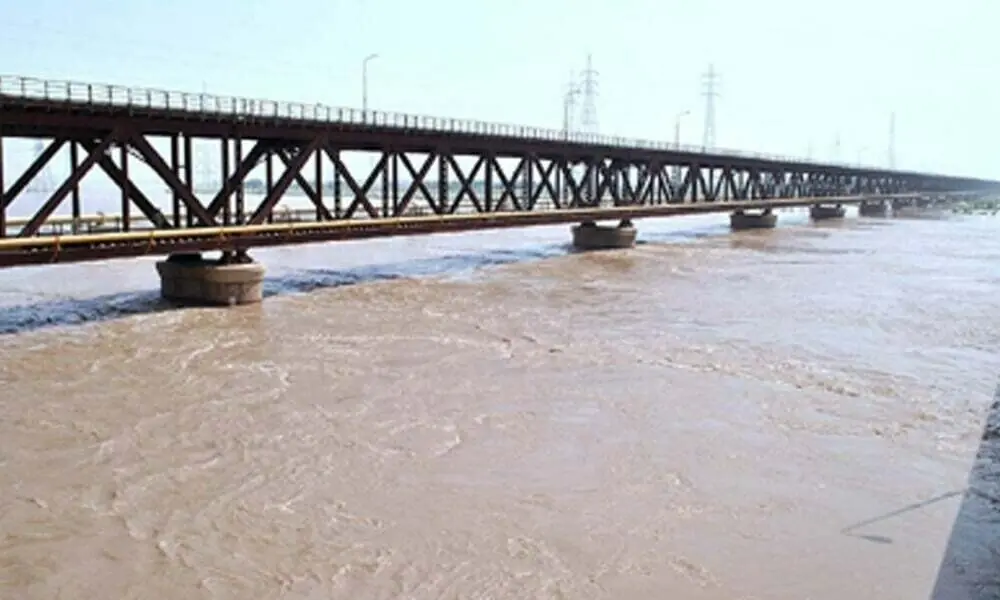
EDITORIAL: The recent spike in water flows in the Chenab River has once again drawn attention to Pakistan’s growing vulnerability to floods. But reducing the discussion to seasonal flooding would miss the larger picture. Pakistan’s water challenge has evolved far beyond disaster management.
It now sits at the intersection of climate change, economic resilience, food security and, increasingly, national security. The latest call for a comprehensive national water security policy, coupled with fresh revelations of massive cost escalations in major hydropower projects, serves as a timely reminder that the country can no longer afford to treat water policy as a collection of isolated interventions.
Pakistan’s water vulnerabilities are hardly new. Pakistan remains one of the most climate-vulnerable countries in the world despite contributing only a fraction of global greenhouse gas emissions. Glacial melt is accelerating, rainfall patterns are becoming increasingly erratic, prolonged dry spells are punctuated by devastating floods and groundwater extraction continues at an unsustainable pace. Population growth and rapid urbanisation have only intensified pressure on an already stressed resource base.
Climate change alone cannot explain Pakistan’s predicament. Years of underinvestment in water storage, ageing irrigation infrastructure, fragmented governance and delayed implementation of critical projects have compounded the country’s exposure to both floods and water scarcity. The result is a paradox that has become all too familiar: devastating floods during one part of the year and acute water shortages during another.
The escalating cost of major hydropower projects underlines the price of delay. Inflation, exchange rate depreciation, prolonged implementation timelines and repeated design revisions have dramatically increased the financial burden of projects that are indispensable for Pakistan’s long-term water and energy security. Whether it is Diamer Bhasha, Mohmand or Dasu, each year of delay makes these strategic investments considerably more expensive while postponing the benefits they are intended to deliver.
These projects should not be viewed solely through the prism of electricity generation. Hydropower infrastructure is equally an investment in water storage, flood mitigation, irrigation reliability and climate resilience. In a country where reservoir capacity remains well below international norms, expanding storage has become less a developmental aspiration than an economic necessity.
The timing of this debate is particularly significant. India’s increasingly aggressive rhetoric surrounding the Indus Waters Treaty has introduced a new strategic dimension to Pakistan’s water discourse. While the treaty remains an internationally recognised legal framework and cannot be altered unilaterally, recent developments have demonstrated that water can no longer be viewed exclusively through an environmental or engineering lens. It has become an issue with profound geopolitical implications.
That reality, however, should not distract from Pakistan’s own responsibilities. External challenges do not diminish the need for better domestic governance. On the contrary, they reinforce it. Effective implementation of the Water Apportionment Accord, stronger groundwater regulation, climate-smart agriculture, improved hydrological forecasting, digital water accounting and accelerated investment in storage infrastructure are reforms that have long been discussed. Their execution has consistently lagged behind their recognition.
The same applies to project governance. While inflation and currency depreciation explain a significant share of the recent cost escalations, they do not account for every delay. Land acquisition disputes, administrative bottlenecks, procurement challenges and implementation slippages continue to inflate costs and defer benefits. Strengthening project management and institutional accountability must therefore accompany any increase in public investment.
The profound challenge confronting policymakers is to shift from reacting to water crises to managing water strategically. Flood relief, emergency allocations and post-disaster reconstruction will always remain necessary. They cannot, however, substitute for long-term planning grounded in sound institutions and sustained investment.
Pakistan has entered an era where water security is inseparable from economic security, food security, energy security and national security. The country’s exposure to climate change and evolving regional dynamics has only heightened that reality. The encouraging aspect is that the solutions are neither unknown nor unattainable. What has been missing is the urgency to implement them before the next crisis arrives.
Water policy cannot continue to be driven by the monsoon calendar. It must become a permanent national priority. Only then can Pakistan hope to build the resilience that an increasingly uncertain climate and geopolitical environment demand.
Copyright Business Recorder, 2026




















Comments