


Net-metering regime: Solar generation surges in FY26: Advisor
Pakistan is shifting from solar net-metering to net-billing due to a massive surge in solar capacity and significant financial strain on the power sector, driven by macroeconomic factors.
- Pakistan's rapid solar net-metering expansion.
- Macroeconomic factors driving solar adoption.
- Fiscal impact of the previous net-metering system.
- Differences between net-metering and net-billing.
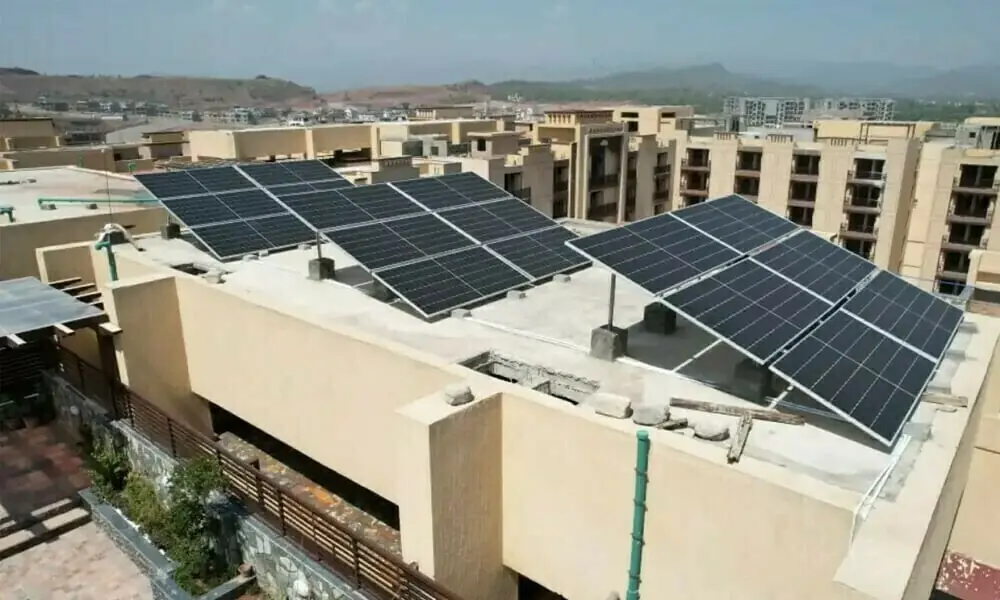
ISLAMABAD: Pakistan’s rapid expansion in solar net-metering capacity — growing nearly 37-fold in six years to around 7,000 MW by June 2026 — has triggered a major policy shift from net-metering to net-billing, as authorities grapple with mounting technical and financial pressures in the power sector.
At a SAARC webinar, Energy Advisor to the Power Division, Engr Syed Faizan Ali, gave a detailed presentation, highlighting that solar generation under the net-metering regime surged from just 190 MW in FY2020 to approximately 6,978 MW by FY2026.
The expansion was driven by rising electricity tariffs, sharp currency depreciation, and declining global solar panel prices.
The surge was shaped less by policy design and more by macroeconomic factors, including around 75 percent depreciation of the rupee, nearly 140 percent increase in electricity tariffs, and approximately 60 percent decline in solar panel import prices between FY2021 and FY2025.
READ MORE: Pre-Feb 9, 2026 solar agreements: Nepra ensures existing net metering rates to continue
The one-to-one retail crediting mechanism also created a measurable fiscal impact, with an estimated revenue effect of Rs 101 billion in FY2024 alone —prompting policymakers to transition toward a net-billing framework.
The move to net-billing under the Prosumer Regulations 2026, notified on February 8, 2026, mirrors similar transitions in markets such as California, effectively trading faster payback periods for prosumers against improved cost recovery for utilities.
Going forward, the core policy challenge lies in balancing three competing priorities: protecting early adopters who invested under existing rules, maintaining economic viability for future solar consumers, and shielding non-solar consumers from cross-subsidy burdens.
The report notes that Pakistan’s net-metering framework, introduced by NEPRA in 2015, allowed consumers to offset electricity imports with solar exports on a one-to-one basis, making rooftop solar a highly attractive investment. However, this regime has now been replaced for new consumers by net-billing.
Under the new system, exported electricity is compensated at a lower reference price instead of the retail tariff, while imported electricity continues to be charged at full rates. Existing consumers under the 2015 framework will retain their contracts until expiry.
Copyright Business Recorder, 2026





















Comments