


Pakistan reaffirms support for regional sovereignty, urges restraint: FO
- Says Pakistan committed to extending support to achieve lasting peace
Pakistan expressed deep concern over escalating regional tensions, urging all parties to exercise maximum restraint and pursue de-escalation through dialogue amidst recent US-Iran military actions.
- Pakistan's call for de-escalation and dialogue.
- Recent military actions between the US and Iran.
- The status of the Strait of Hormuz amid tensions.
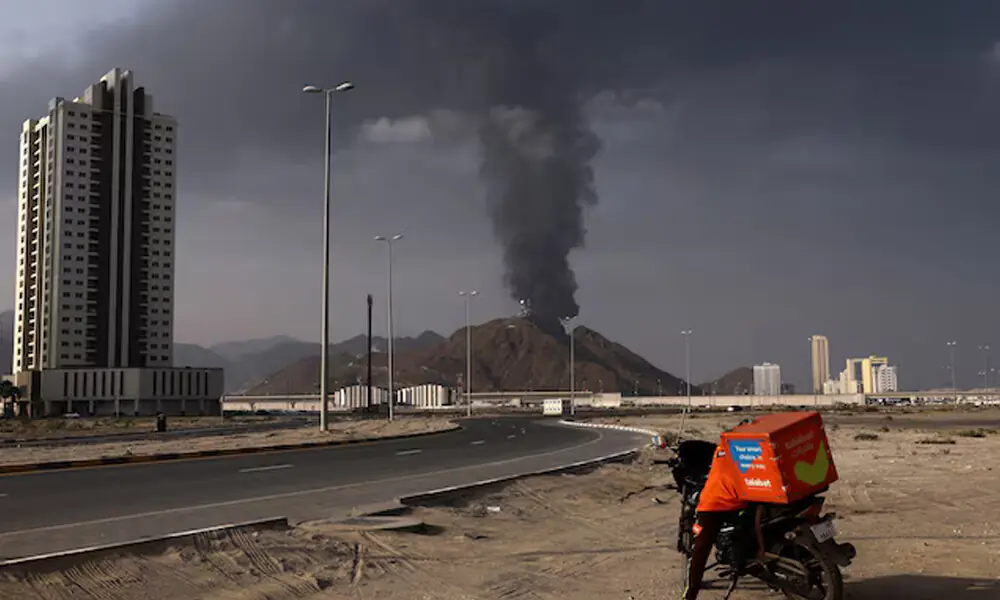

Pakistan has expressed deep concern over recent incidents that have led to a further escalation of regional tensions.
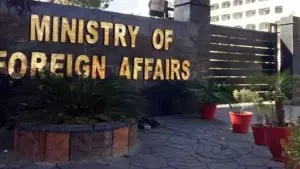
In an official statement, the Foreign Office reiterated Pakistan’s firm support for the sovereignty and territorial integrity of all brotherly countries across the region. Islamabad urged all involved parties to exercise maximum restraint and take immediate, practical steps toward de-escalation.
The statement also called upon sides to uphold their respective commitments under the Islamabad Memorandum of Understanding (MoU).
Furthermore, the Foreign Office reaffirmed that Pakistan remains fully committed to extending all possible support to achieve lasting peace and stability in the region, emphasizing that conflicts must be resolved through dialogue and diplomacy.
The development comes hours after the US military launched fresh strikes on Iran after it struck a container ship on Sunday, while Tehran said it had again closed the Strait of Hormuz and escalated attacks on US facilities in states across the Gulf.
A series of attacks between the US and Iran over the past several days led President Donald Trump to declare the end of a ceasefire meant to halt the fighting that the US and Israel began on February 28, though Trump has left the door open to continued negotiations.
Iran said it closed the strait after firing a warning shot that struck a vessel traveling on an unapproved route. It warned that any retaliation over the incident would be met with a “severe response.”
US Central Command, however, said commercial vessels continue to transit through the waterway that carried one-fifth of the world’s oil and LNG shipments before the war.








Comments