


Turning up the heat: a simple line of defence for a resilient future
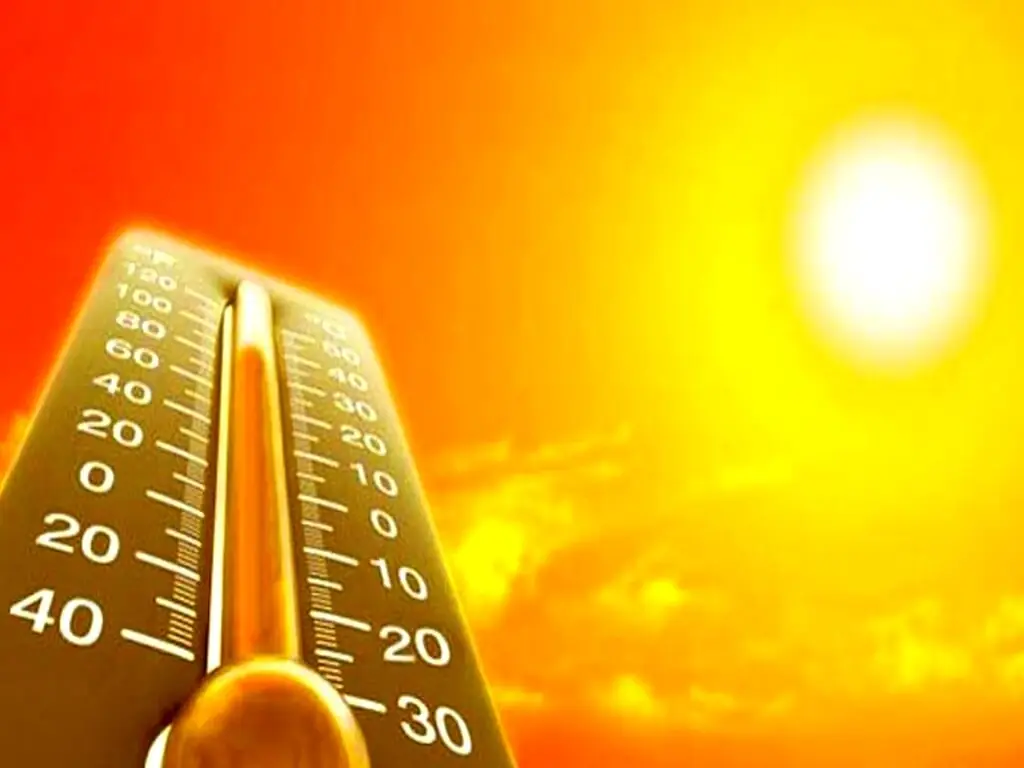

KARACHI: Every summer, headlines focus on temperatures. Record-breaking heat. Heatwave alerts. Urban temperatures crossing 50°C.Yet when health experts examine what actually sends people to hospitals during heat, the story is often less about the thermometer. Dehydration, exhaustion, and heatstroke remain among the most common pathways through which extreme summers turn dangerous.
As temperatures continue to rise across the world, heatwaves are becoming one of the most serious climate-related threats to public health. From Europe and North America to South Asia and the Middle East, cities are grappling with longer summers, more frequent periods of extreme heat, and growing pressure on public health systems.
Yet while heatwaves are often measured in degrees Celsius, their real impact is measured in people.
According to global health experts, heat stress is among the leading causes of weather-related mortality worldwide. The World Health Organization (WHO) estimates that hundreds of thousands of lives are affected by extreme environmental heat each year, with Asia carrying a significant share of the burden. As climate change accelerates, the number of people exposed to dangerous temperatures is expected to increase substantially in the coming decades.
The WHO notes that many of these deaths are preventable through timely public health interventions and individual protective measures, including hydration, and avoiding unnecessary outdoors exposure during peak heat hours.
Understanding the real risk
Extreme heat becomes dangerous when the body can no longer regulate its temperature effectively.
During hot weather, the body relies on sweating to cool itself. However, prolonged exposure to high temperatures, especially under direct sunlight, leads to significant fluid loss. When lost fluids are not timely replaced, dehydration sets in. This vulnerability can ultimately lead to a heatstroke, a medical emergency that can be fatal if left untreated.
Health experts consistently identify dehydration as one of the most immediate and preventable risks associated with extreme heat. Symptoms such as dizziness, fatigue, headaches, muscle cramps, confusion, and rapid heartbeat often emerge before more serious medical complications occur.
This is why public health guidance across the world consistently emphasises hydration as one of the first lines of defence.
What cities are doing
As extreme heat becomes more common, cities across the world are rethinking how public outdoors spaces can help protect residents.
Across Europe, local authorities have expanded access to public drinking water points, shaded areas, cooling fountains, and misting systems that help reduce heat exposure in busy urban areas. Cities such as Prague, Paris, Barcelona, and Madrid have increasingly incorporated water-based cooling features, mist sprays, shaded parks and public heat-relief measures that provide respite during extreme weather. Public advisories encourage residents to avoid outdoor activity during the hottest hours of the day and increase water intake.
In Australia, where heatwaves are often described as the country’s “silent killer,” public health campaigns focus heavily on hydration. Public awareness campaigns encourage residents to carry water, limit outdoor activities during peak afternoon hours, and regularly check on vulnerable family members and neighbours. Municipal authorities often activate heat-health action plans whenever temperatures cross critical thresholds.
Meanwhile, cities in the United States have expanded hydration stations, public relief points, and community outreach programmes aimed at reducing heat-related illnesses among outdoor workers, senior citizens, and other at-risk groups.
Despite differences in geography, climate, and infrastructure, theme remains consistent across all these examples: keeping people hydrated and reducing direct exposure to extreme heat.
The Pakistan story
Pakistan remains among the countries most vulnerable to extreme heat.Yet the challenge varies from city to city.
Lahore often records higher air temperatures than Karachi. Islamabad benefits from comparatively greater tree cover and green spaces. Karachi, meanwhile, faces a different challenge: humidity.
High humidity limits the evaporation of sweat, reducing the body’s natural ability to cool itself. As a result, even when temperatures are lower than those recorded elsewhere, the “feels-like” temperature can be significantly higher. Medical experts increasingly warn that humid heat can be particularly dangerous because the body struggles to release heat efficiently.
This helps explain why coastal cities can experience severe health impacts during prolonged heat events despite not always recording the country’s highest temperatures.
Bringing relief closer
Perhaps, the most practical lesson from international experience is that effective heatwave interventions do not always require large-scale infrastructure investments.
Simple measures can have a meaningful impact.
Public drinking water stations in busy markets, transport hubs, parks, and community centres can help ensure residents remain hydrated throughout the day. Temporary hydration points can be established during periods of extreme temperatures. Additional shaded waiting areas, tree plantations, and public awareness campaigns can further reduce health risks.
One increasingly common approach is the establishment of heat relief camps that provide drinking water, oral rehydration support, shade, and public awareness.
Recent heat-relief initiatives across Karachi have focused on distributing drinking water, and hydration supplies to people most exposed to outdoor conditions, including daily wage earners, commuters, traffic personnel, and vulnerable residents.
Among these efforts was a recent citywide heat-relief campaign organised by Saylani Welfare Trust and K-Electric, through nine locations where thousands of people received support, including water distribution and hydration assistance. Such initiatives demonstrate how relatively simple interventions can have meaningful public health impact during periods of extreme heat.
For employers, adjusting outdoor work schedules and ensuring access to drinking water can help protect workers who spend long hours under direct sunlight.
Building a resilient future
As cities adapt to this new reality, public health preparedness will become increasingly important.
Experiences around the world show resilience is not built through a single intervention. It requires a combination of public awareness, urban planning, community engagement, and accessible relief measures.
But among all the solutions being implemented globally, one remains remarkably simple: hydration.
As Pakistan prepares for hotter summers in the years ahead, perhaps, the most powerful heatwave intervention remains one of the simplest.
A bottle of water, available at the right place, at the right time.
Copyright Business Recorder, 2026















Comments