


Hormuz open, risks remain
Oil exports through the Strait of Hormuz are recovering, easing prices and supply fears, but creating market complications like potential gluts and fragile confidence due to geopolitical risks.
- Market adjustments and potential oil glut from reopening.
- Geopolitical risks and the Strait of Hormuz's continued fragility.
- Impact of easing oil prices on global economies.
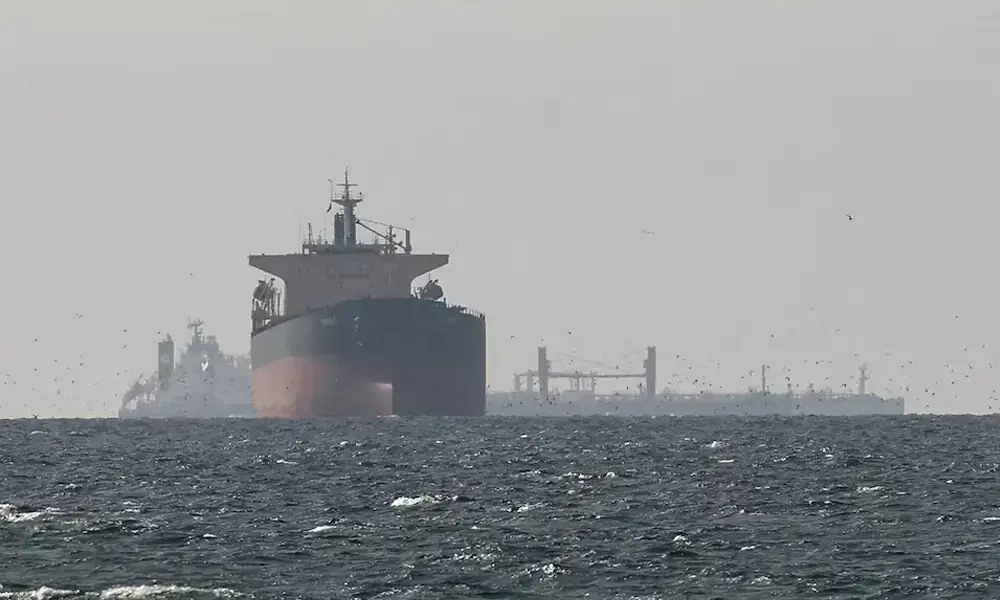
Oil exports through the Strait of Hormuz have started to recover. For a market that had been living with the fear of a prolonged supply shock, which is a major relief. Prices have eased, traders are calmer and importers have finally got some breathing space. But this is different from normalisation.
The reopening of Hormuz has created its own complications. Tankers stuck for weeks and months now getting to move sound positive, but it also creates a messy adjustment. Too many cargoes will be trying to move at once. Kuwait, Iraq, Bahrain, and Qatar depend heavily on this route. When the Strait was disrupted, oil did not just stop moving. Refineries slowed, inventories were drawn down, emergency stocks were released and buyers scrambled for alternatives. Now all of that has to be unwound.
So could all this end up from a shortage to an oil glut. There are reports that the reopening could release significant barrels of stranded non-Iranian oil from the Gulf. On top of that, any easing of sanctions on Iran could bring more Iranian crude back into the market. In simple terms, the market may quickly move from worrying about shortage to dealing with too much oil arriving at the same time.
That is why prices have softened. Brent has fallen back close to pre-crisis levels as traders look beyond the immediate supply scare. But weaker prices do not mean the risk has disappeared. Many Asian and European refiners had already covered their near-term needs before exports resumed. So, some of the oil leaving the Gulf may not find immediate buyers and could end up in floating storage.
The International Energy Agency has also warned that a full recovery will take time. Shipping lanes still need to be cleared, tanker movement has to normalise and supply chains must settle. The IEA also points out that demand has already weakened sharply as consumers, companies and governments adjusted to the crisis.
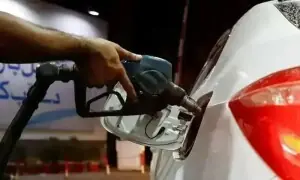
For countries like Pakistan, the easing in oil prices is helpful. It reduces pressure on the import bill, inflation, and fuel subsidies. At a time when external accounts remain tight, even temporary relief in oil prices matters.
But the comfort should not be overstated. Hormuz may be open again, but it remains a geopolitical chokepoint. Any fresh attack, shipping scare or breakdown in the US-Iran understanding could bring the risk premium back quickly.
The lesson from this episode is clear. Oil markets can adjust, but not without pain. Exports are resuming, prices are easing and supply is returning. Yet confidence remains fragile. The crisis may be cooling, but its aftershocks are still moving through the global oil market.








Comments