


Petroleum pricing: Buffers beat surprises
The government maintained petroleum prices, raising the levy to meet fiscal targets rather than offering further consumer relief. This highlights a flawed, short-term fuel pricing strategy needing reform.
- Reasons for unchanged petroleum prices.
- Future petroleum levy targets and their impact.
- Reforms for Pakistan's fuel pricing framework.
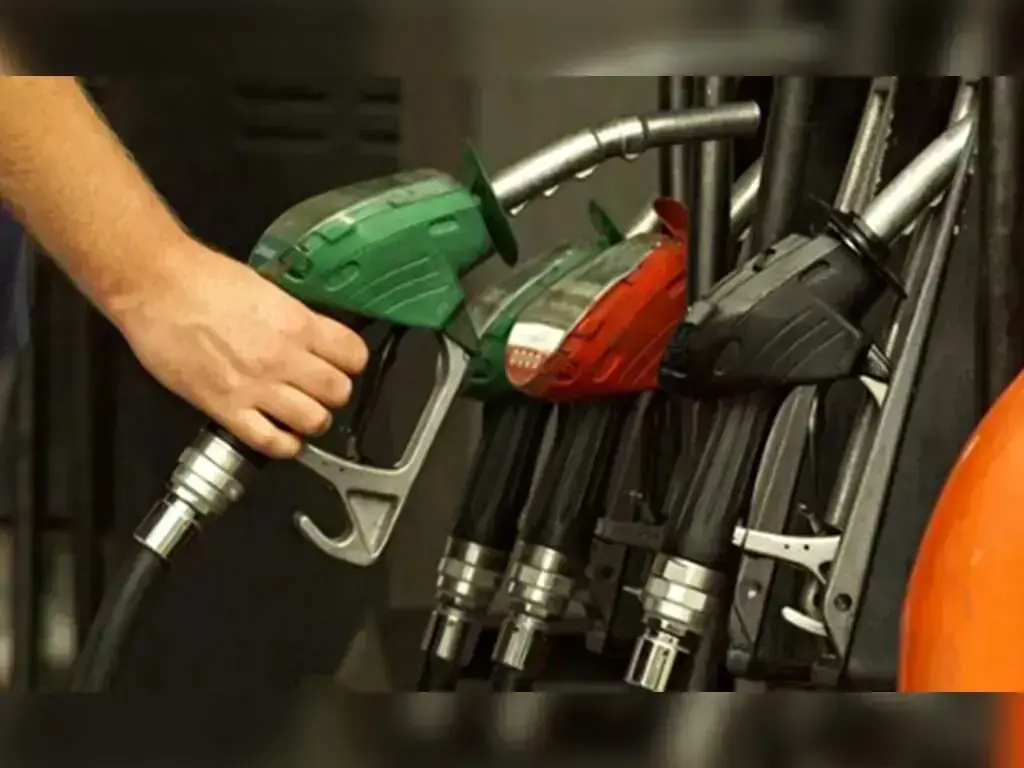

The government’s decision to leave petroleum prices unchanged in the latest weekly review left many scratching their heads. Critics, including some within the treasury benches, accused the government of shielding oil marketing companies and refiners at the expense of consumers. The arithmetic tells a different story.
Retail prices had already been cut sharply a week earlier. Since then, international price movements offered little additional room for relief. At the same time, the petroleum levy, particularly on high-speed diesel, remained below the government’s desired trajectory. Rather than announcing a marginal reduction only to reverse course shortly thereafter, the government chose to narrow the gap by raising the levy on HSD. Even after the latest revision, the levy on petrol remains below levels seen in previous pricing cycles.
The real story, however, lies ahead.
With the FY26 petroleum levy target now effectively within reach, attention shifts to FY27, where the revenue ambition is substantially higher. Based on current consumption levels and assuming no meaningful demand destruction, meeting the target would require a combined petroleum levy of roughly Rs180 per litre on petrol and HSD. That leaves little doubt that the statutory levy ceiling will have to be raised, most likely from July.
Which raises an obvious question. If a higher levy was inevitable, why allow such a steep retail price cut a week earlier in the first place?
The government had enough room to moderate the earlier reduction without touching the levy. Doing so would have softened the eventual impact of a higher levy ceiling and avoided creating expectations of permanently lower fuel prices, only to reverse course the very next week. Weekly price revisions offer policymakers an even better opportunity to smooth adjustments rather than swing between large cuts and abrupt pauses.
This points to a broader weakness in Pakistan’s fuel pricing framework. Petroleum prices should not be managed with a week-to-week mindset. When international oil prices fall sharply, governments have an opportunity to build fiscal buffers through calibrated taxation while keeping retail prices relatively stable. Those buffers can then be used to cushion consumers during periods of rising crude prices instead of resorting to ad hoc subsidies or abrupt tax adjustments.
Ultimately, the best solution remains for the government to step back from directly managing retail fuel prices. International prices should pass through transparently, while fiscal policy should be exercised primarily through taxation. Taxes can be an effective signaling tool, but only if they are applied predictably and strategically rather than reactively.














Comments