


India File: Searing El Niño tests crop buffers, exposes workers
- India’s monsoon dominates headlines every summer, shaping farm output and ostensibly providing some relief to a heat-strained economy
India faces its weakest monsoon in 11 years, sparking worries about harvests and food prices, though improved irrigation and fuller reservoirs offer some insulation. Heat stress for workers and crops is also a significant risk.
- Weakest monsoon in 11 years and its economic impact.
- Improved irrigation and reservoir levels mitigating risks.
- Rising heat stress affecting crops and outdoor workers.
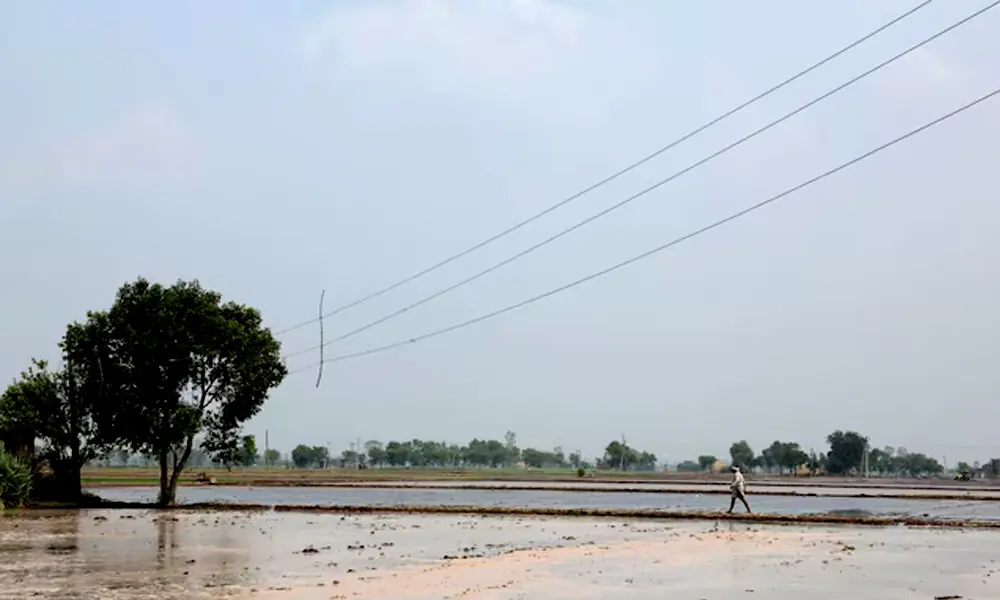

India is facing its weakest monsoon in 11 years, spurring worries in markets and among consumers about lower harvests and higher food prices.
However, compared to 11 years ago, economists say the country is better insulated against insufficient rainfall because of improved irrigation and fuller reservoirs.
Climate risks to the fore
India’s monsoon dominates headlines every summer, shaping farm output and ostensibly providing some relief to a heat-strained economy.
This year, India’s meteorological department is forecasting the lowest levels of precipitation since 2015, with rains already delayed and central and northern regions suffering drier conditions than normal.
The prospect of a strong El Niño, which is impacting weather the world over, is to blame for India’s weak monsoon as well. Read this analysis on why this year’s El Niño could be more intense than normal.
The lack of rain adds another layer of risk for the South Asian economy, already reeling from high oil prices and a weak currency. The Reserve Bank of India (RBI) has pared its growth forecast while raising its inflation estimate for the year, citing the monsoon as among the key risks.
However, the central bank also pointed out that agricultural production has over time become less vulnerable to variability in the weather. Private-sector economists agree.
With 55% of the gross cropped area now irrigated, up from 40% in 2010–11, output is less tied to rainfall, Barclays chief India economist Aastha Gudwani noted in April, when concerns about a weak monsoon first emerged.
Water buffers are also larger this year. Reservoir storage is around 29% - above the 10-year average - helped by abundant rains last year, Gudwani said in an update to her report on Monday.
HSBC analysts argue that reservoir levels now matter more for food production and inflation than rainfall alone. What may be more damaging is the heat, chief India economist Pranjul Bhandari wrote in a report last month.
“We find that the probability of high temperatures is stronger than the probability of low rains, and the quantum of rise in temperatures during El Niño years is rising,” said Bhandari, adding that perishables like fruit and vegetables are the most vulnerable.
Heat stress for workers
Prolonged hot spells are also a risk for millions of Indians working outdoors, such as farm labourers, construction workers and street vendors, among others.
A study by Piyush Narang and Ashok Gadgil of the India Energy and Climate Centre at the University of California, Berkeley, found that a single day of extreme heat can lead to 3,400 excess deaths nationwide, while a five-day heatwave could result in nearly 30,000.
The study, released last month, defines extreme heat as temperatures hotter than 97% of historical levels in a given district.
The meteorological department has already forecast scorching temperatures across large parts of India in June, leading to soaring power demand and electricity shortages. Official data showed more than 300 cases of heatstroke between the start of March and mid-May in the southern state of Andhra Pradesh alone.
Authorities ask industries each year to mitigate the impact by shifting work to cooler hours, providing shaded rest areas and ensuring hydration.
However, with a large share of India’s workforce employed at small businesses where adherence remains uneven, the effectiveness of the measures has been limited.
India’s decision to scrap taxes on foreign investment in government debt is being seen as a game changer by fund managers who expect this will encourage inflows and boost India’s chances of being included in the Bloomberg Global Aggregate Index, Reuters’ Nimesh Vora and Dharamraj Dhutia reported. Read that analysis here.
But some risks still cloud the outlook for Indian debt, most notably higher oil prices and a weakening currency, a senior fixed income fund manager at Blackrock said.




















Comments