



KARACHI: The Policy Research and Advisory Council (PRAC) has acknowledged several progressive measures in the Federal Budget for Fiscal Year 2026-27, while raising critical concerns regarding fiscal sustainability, stagnant development spending, and the mounting debt servicing burden threatening Pakistan’s economic outlook.
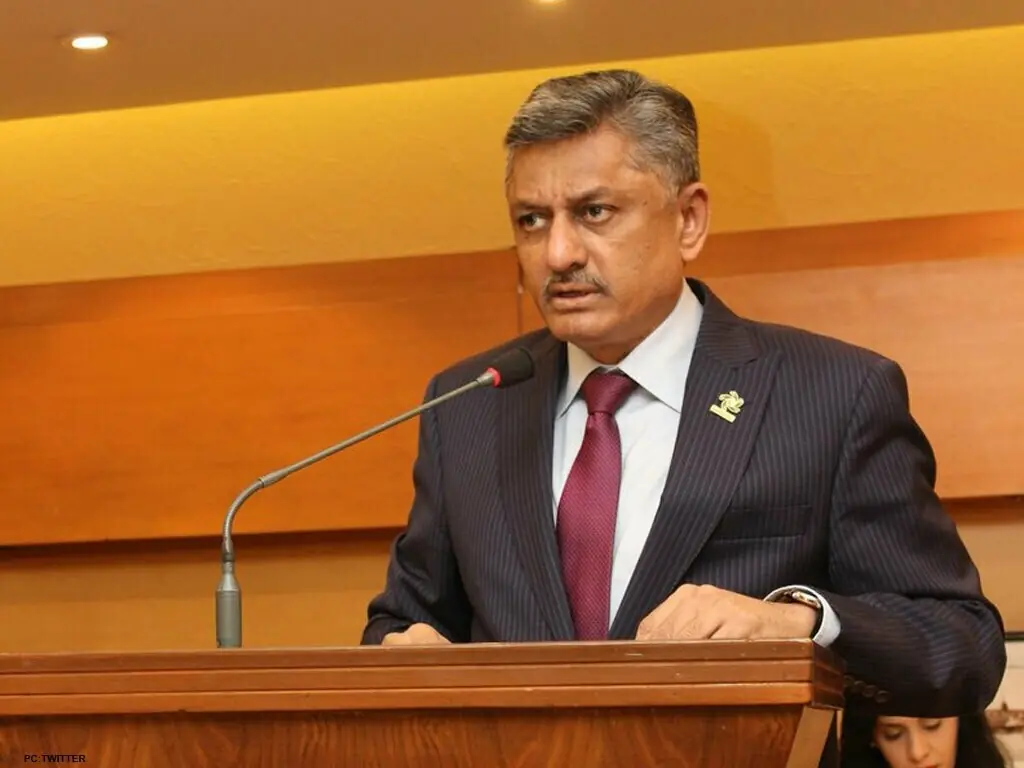
PRAC Chairman Mohammad Younus Dagha welcomed the elimination of Super Tax across several slabs for businesses earning between PKR 150 million and PKR 500 million, with the maximum rate capped at 8 percent for higher income tiers, noting that this would enhance liquidity and support investment.
He similarly commended the reduction in combined advance and minimum income tax on export revenues from 2.0 percent to 1.25 percent, alongside the extension of the concessional Export Refinance Scheme at 4.5 percent, backed by PKR 88 billion — a timely intervention to ease working capital pressures and sustain export competitiveness amid elevated financing costs.
Mohammad Younus Dagha also welcomed the extension of the 0.25 percent Final Tax Regime for IT and digital exporters through June 30, 2029, describing it as an important signal of policy continuity for Pakistan’s expanding digital economy, and acknowledged the budget’s emphasis on digital payments, financial inclusion, targeted farmer financing, climate-resilient housing, and green mobility, provided these initiatives are implemented transparently with measurable outcomes.
Despite these positives, PRAC expressed concern over the limited relief extended to the salaried class. While selective tax rate reductions and abolition of the 9 percent surcharge are welcome, the minimum taxable threshold remains unchanged at PKR 600,000.
Against renewed inflationary pressures, rising utility costs, and a projected 12 percent increase in Petroleum Development Levy collections to PKR 1.68 trillion, lower-income salaried workers may face additional burden through higher transport and essential commodity costs — despite already belonging to the documented taxpayer base.
PRAC’s most serious reservations concern the budget’s failure to address Pakistan’s core fiscal vulnerabilities. Debt servicing obligations budgeted at PKR 8,054 billion constitute 68.5 percent of net federal revenues, while unfunded pension liabilities have reached PKR 1,169 billion. These fixed obligations critically constrain fiscal space for development and social spending.
The Council stressed that sustainable consolidation requires expenditure rationalisation, tax base expansion, pension reform, and restructuring of loss-making state-owned enterprises — none substantively addressed in the current budget.
The Public Sector Development Programme, capped at PKR 1,000 billion, also drew concern. Adjusted for inflation, this represents a contraction in real development spending, risking further deterioration across transport, logistics, urban services, and climate resilience.
Mr. Dagha stressed that public investment must be protected and directed toward high-impact projects advancing productivity, exports, and employment.
PRAC cautioned against the sharp reduction in withholding tax on international card transactions from 5.0 percent to 0.5 percent, warning it could pressure foreign exchange reserves by encouraging non-essential dollar outflows.
On retail taxation, the Council warned that the Fixed Tax Asaan Scheme, without phased POS integration and robust verification, risks misuse by larger businesses seeking to circumvent effective compliance — undermining its documentation objectives.
The Council urged stronger measures supporting industrial growth, export competitiveness, and productive investment, emphasising that Pakistan’s economic policy must transition from short-term fiscal balancing to a sustainable growth model anchored in exports, investment, innovation, and institutional reform.
PRAC concluded that while Budget 2026-27 contains constructive measures across several sectors, its effectiveness will ultimately depend on disciplined implementation and the political will to pursue the structural reforms necessary to restore fiscal credibility and long-term economic stability.
Copyright Business Recorder, 2026




















Comments