


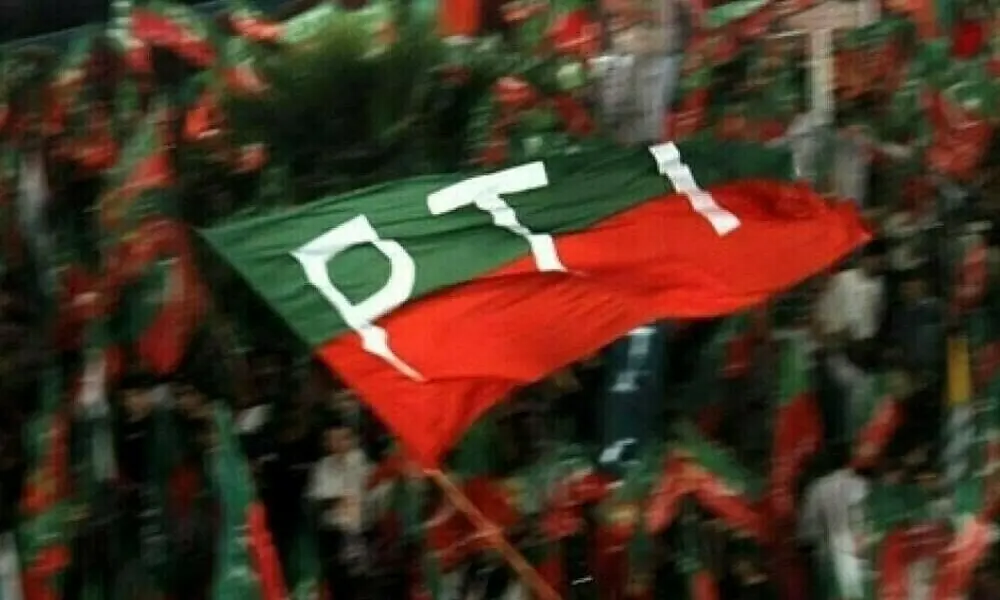

ISLAMABAD: The opposition Pakistan Tehreek-e-Insaf’s (PTI) farmers wing on Saturday rejected the federal budget 2026-27, terming it “anti-farmer” and insufficient to address structural problems in the agriculture sector, calling for a comprehensive agricultural policy along with immediate relief on key inputs.
Speaking at a press conference, PTI’s farmers wing spokesman Khalid Nawaz Sadhraich, along with other party leaders, said the budget failed to provide meaningful support to the rural economy and relied on “superficial incentives” instead of long-term reforms.
They also questioned inconsistencies in official data presented in the Economic Survey, noting that agricultural growth for 2024-25 had been revised from 0.56 percent to 1.53 percent without explanation, and demanded clarification from the government.
The leaders said the sector, which they claimed had shown strong growth above 6 percent two years ago, had now slowed sharply, with recent growth cited by them at around 0.65 percent, reflecting worsening structural conditions.
The wing highlighted a sharp decline in cotton production, cultivated area, and ginning activity, warning that it could affect exports, rural employment, and overall economic stability.
They also pointed to rising input costs, particularly fertilisers such as nitrophos and SSP, saying the increase had significantly raised the cost of production for farmers.
They said declining tractor production and sales reflected reduced affordability of agricultural machinery for small farmers, and criticised the government’s decision to exempt duties on farm machinery, arguing it could disproportionately benefit large landowners and importers.
The leaders further warned that rising poverty was contributing to reduced consumption of milk, meat, and pulses, describing it as a potential food security concern.
They said Pakistan’s heavy reliance on imported edible oil – about 90 percent of domestic demand – posed a serious vulnerability.
Describing water scarcity as a “national security issue,” they said recurring floods and droughts continued to damage agriculture, and criticised the absence of a comprehensive relief package for farmers affected by the 2025 floods.
On exports, they said insufficient attention had been given to cold chain infrastructure, export certification standards, residue limits, and logistics, arguing that weaknesses in agriculture were being masked by relatively stronger performance in livestock.
They also cited official figures showing agricultural growth at 2.89 percent while claiming food exports had fallen by around USD 1.5 billion, including a USD 1.1 billion drop in rice exports, which they said reflected policy failures.
The party’s farmers wing demanded immediate relief on agricultural electricity and diesel, restoration of targeted subsidies on fertilisers and seeds, and a clear support price mechanism for wheat and cotton.
They also called for reduced taxes on agricultural machinery, special tariffs for tube wells, and interest-free agricultural loans.
Among other proposals, they called for a cotton revival programme, irrigation and water storage investment, crop insurance, agri-tech funding, cold
chain expansion, and edible oil self-sufficiency.
Copyright Business Recorder, 2026

























Comments