


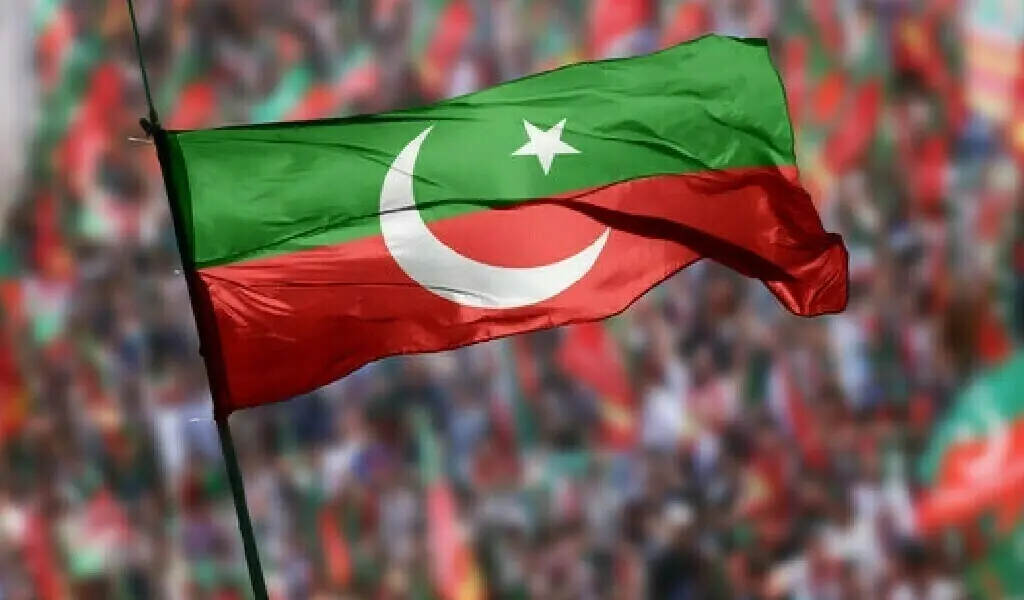

ISLAMABAD: The major opposition Pakistan Tehreek-e-Insaf (PTI) said on Tuesday that the Federation of Pakistan Chambers of Commerce and Industry’s (FPCCI) decision to present its first shadow budget reflected what it called the government’s failure to manage the economy.
In a statement, PTI spokesman Sheikh Waqas Akram said the business lobby’s proposals, including raising exports to USD 80 billion by 2031, expanding the taxpayer base to 100 million, reducing general sales tax to 15 percent, eliminating the fiscal deficit within three years through privatisation and achieving 8.5 percent economic growth, underscored shortcomings in the government’s economic policies.
“The business community has stepped forward with a budget containing a clear vision, while the government remains focused on new levies and IMF-driven measures,” he said.
He severely criticised Prime Minister Shehbaz Sharif’s recent visit to Beijing, during which Pakistan signed memoranda of understanding (MoUs) worth USD 7 billion, saying the agreements had yet to translate into domestic economic relief.
Akram said the State Bank of Pakistan’s benchmark interest rate of 11 percent continued to burden businesses and consumers, while the upcoming federal budget was expected to include no increase in salaries or pensions alongside additional revenue measures, including higher petroleum levies and transfers from provinces.
He also said industry groups had called for a simplified tax regime, the abolition of the “super tax” and lower corporate taxes to offset rising energy costs and inflation.
Separately, Akram criticised the government over Pakistan’s cotton sector, saying domestic production had fallen to a four-decade low because of what he described as flawed agricultural and taxation policies.
Citing industry estimates, he said cotton production this year was expected to range between 5 million and 5.5 million bales, while imports could rise to between 7 million and 7.5 million bales, costing the country up to USD 1.2 billion.
“It is deeply alarming that a country once known for its strong cotton base has become heavily reliant on imports,” he lamented.
He blamed the imposition of sales tax on locally produced cottonseed and oilcake for increasing production costs and discouraging cultivation, adding that many cotton ginning factories had shut down.
He urged the government to abolish the tax on cottonseed and oilcake, introduce a support package for growers and take measures to revive domestic production.
“The current crisis is man-made and avoidable,” he added.
Copyright Business Recorder, 2026




















Comments