


Iran-US war: a dangerous deadlock
President Trump's rejection of Iran's peace counter-proposals, influenced by Israeli interests, threatens the fragile ceasefire and risks further escalation in the Middle East.
- Trump's rejection of Iran's peace counter-proposals.
- Specific terms of US and Iranian peace proposals.
- Israeli influence on US foreign policy towards Iran.
- The US's weakened negotiating position in the conflict.
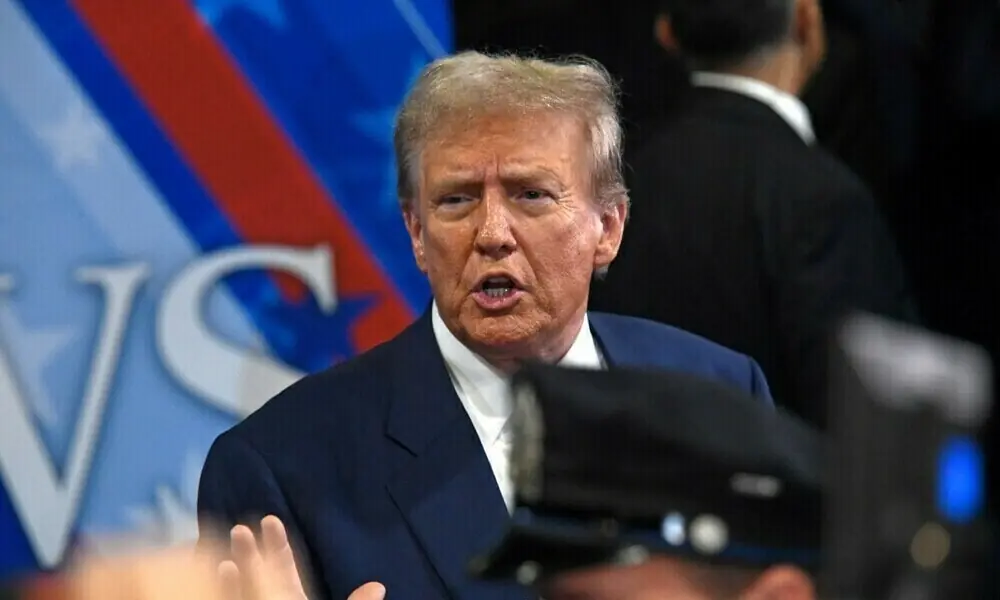
EDITORIAL: President Donald Trump’s rejection of Iran’s counter-proposals – submitted in response to the terms presented by Washington in a bid to end the US-Israeli war on Tehran – and his dismissal of Iranian terms as “totally unacceptable” has once again pushed the region to the brink, threatening the fragile ceasefire that has held since April 8.
The spectre of another devastating escalation now looms large over the Middle East. Last week, media reports had indicated that the US had presented to Iran a 14-point memorandum of understanding aimed at reopening the Strait of Hormuz and establishing a framework for broader nuclear negotiations.
Washington’s terms included a 20-year moratorium on Iranian uranium enrichment, the transfer abroad, possibly to the US, of Iran’s highly enriched uranium (HEU) stockpile and the dismantling of its nuclear facilities.
Tehran’s counter-proposal, on the other hand, reportedly called for a shorter moratorium on enrichment, the export of only part of its HEU stockpile while diluting the remainder and firmly rejected any dismantling of its nuclear facilities. According to Iranian media reports, it also demanded the lifting of US sanctions, the release of frozen Iranian assets, immediate end to the war accompanied by guarantees against future attacks, the lifting of the US naval blockade of the Strait of Hormuz and recognition of Iran’s sovereignty over the strategic waterway.
It is clear that terms surrounding the nuclear issue remain a major obstacle to a settlement. Yet even a cursory reading of recent history shows how it was President Trump’s own reckless withdrawal from the 2015 nuclear accord between Tehran and the Western powers that has ultimately paved the way for the present crisis.
That blunder was driven largely by the disproportionate influence of Israeli interests over US foreign policy – and over Trump specifically – and led to the collapse of a rare diplomatic opening with Tehran. That influence remains firmly intact. The US-Iran talks preceding the war had reportedly secured Iranian concessions on key US demands regarding uranium enrichment according to Oman’s foreign minister. Yet Washington still chose war.
After decades of trying to draw the US into direct confrontation with Iran, Israeli Prime Minister Netanyahu had finally found in Trump a president willing to do so while displaying little understanding of the catastrophic consequences of such a misadventure, the limits of American power, or the bitter legacy of US interventions in the Middle East that have wreaked much devastation while doing little to advance American interests. Against this backdrop, Iran’s distrust of American intentions is understandable, having been undermined repeatedly by broken agreements.
The US, for its part, appears unwilling to acknowledge that it is not negotiating from a position of strength. The war did not unfold as it had anticipated: Iran’s military capabilities were not decisively crushed, nor did the conflict trigger the collapse of the Iranian regime. Instead, the war has dragged on with mounting costs, not just for the US but also for its Gulf partners.
Now, with the economic repercussions of the conflict hitting American shores, public opinion increasingly hostile to the war and Republicans facing a bruising defeat in the midterm elections, the imperative for peace for the Trump Administration should be clearer than ever.
The president must recognise that securing a peace deal is in the interests not only of regional stability, but of his own presidency and the US itself.
To do so, however, he will have to ignore Israeli pressure and move decisively towards a credible peace agreement. There need to be efforts made to overcome deep-seated distrust, and a renewed focus on diplomacy and away from any escalation before a durable peace between the warring parties can take hold.
Copyright Business Recorder, 2026
























Comments