


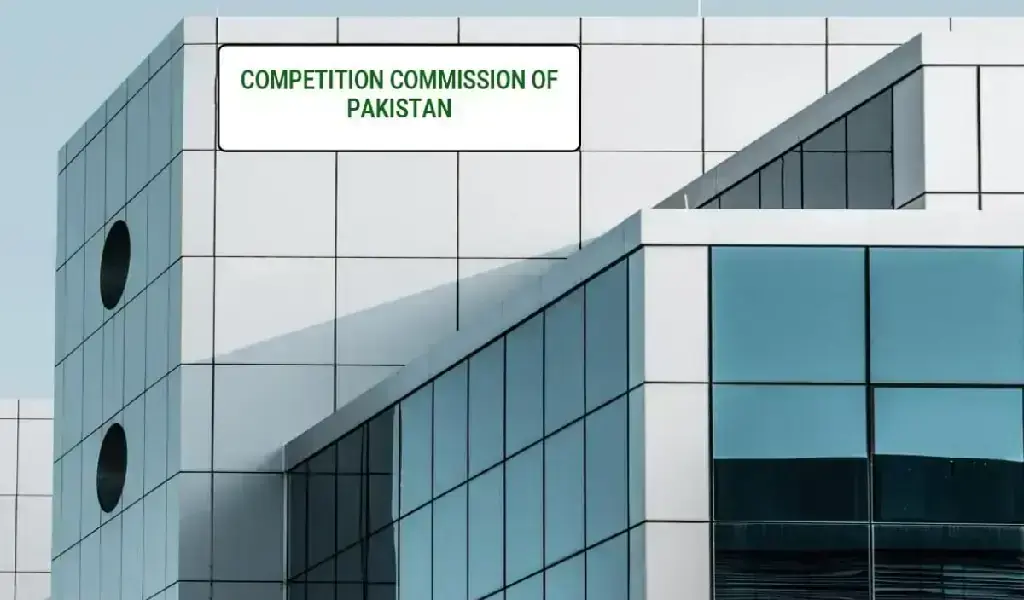

ISLAMABAD: The Competition Commission of Pakistan (CCP) has identified heavy taxation, regulatory distortions, and structural inefficiencies as key drivers behind rising cement prices, cautioning that market outcomes in the sector are being shaped as much by policy failures as by demand-supply dynamics.
In a detailed assessment of the cement sector, the Commission noted that taxes and duties account for up to 38 percent of ex-factory prices, while the overall tax burden constitutes nearly half of the retail price of cement, making it one of the most heavily taxed industries in the country. This has led to a sharp increase in prices, with the cost of a 50kg cement bag rising from Rs822 to Rs1,091 in recent years despite easing inflation.
The report highlights a paradox at the heart of the sector: while installed capacity has nearly doubled from 45.6 million tonnes to 84.6 million tonnes capacity utilisation has dropped to around 53 percent, reflecting subdued construction activity and weak domestic demand.
Consumption has declined across both northern and southern regions, even as Pakistan’s per capita cement usage remains significantly below the global average, pointing to latent growth potential constrained by current market conditions.
From a competition perspective, the CCP has flagged the sector as inherently prone to collusive behaviour, given its homogenous product, high entry barriers, and regional concentration. While overall market concentration appears moderate, the situation is more pronounced at the regional level particularly in the South where a few large players dominate. The Commission has warned that anti-competitive conduct cannot be ruled out and stressed the need for continuous monitoring of pricing and production patterns.
The study also underscores several policy-induced distortions inflating costs across the value chain. A key concern is the monopolistic dependence on a single coal handling terminal, which has significantly increased import costs and introduced supply chain inefficiencies. In addition, uneven enforcement of axle-load regulations across provinces has created cost asymmetries among producers, while disparities in provincial royalty regimes, particularly Punjab’s ad valorem structure have further distorted the competitive neutrality.
Compounding these issues are weak border controls, allowing the influx of smuggled cement primarily from Iran which evades taxes and quality standards, undercutting compliant local producers. The presence of counterfeit cement in rural markets has also raised concerns regarding consumer safety and market integrity.
To address these challenges, the CCP has proposed a comprehensive reform agenda focused on restoring competitive neutrality and improving efficiency. Key measures include promoting mineral sector development to support new capacity, harmonising transport regulations and royalty structures, introducing competition in port infrastructure, ensuring tax policy stability, and rationalising energy pricing. The Commission has also called for stronger enforcement against smuggling and counterfeiting to safeguard both consumers and compliant businesses.
The findings suggest that without targeted policy intervention, the current distortions could continue to push up construction costs, dampen housing development, and discourage industrial investment. While the cement sector remains a critical pillar of Pakistan’s economy, its future growth trajectory will depend on addressing structural bottlenecks and recalibrating policy frameworks to support fair competition and efficiency.
Copyright Business Recorder, 2026




















Comments