


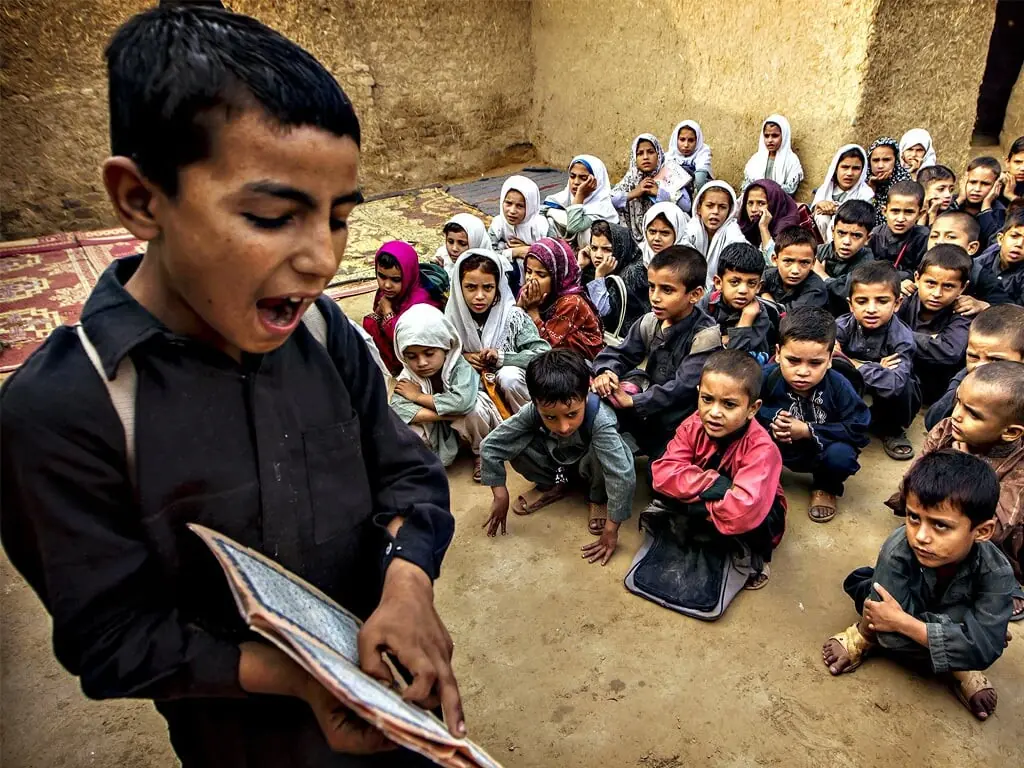
EDITORIAL: The recently released government report titled “Public Financing in Education 2025–26” paints a troubling picture of a system struggling with chronic underfunding, weak learning outcomes, and millions of children left behind. The statistics presented in the report are alarming: more than 25.37 million (some other reports have put that figure at 26.2 million) children remain out of school, and 77 percent of the school-going 10-year-olds are virtually illiterate. These numbers represent a national emergency that threatens the country’s social progress and economic development.
One of the most troubling aspects revealed in the report is the declining share of education spending in the national economy. Education expenditure has consistently remained below international benchmarks, averaging less than two percent of the GDP. Over the past five years the trend has been even more discouraging, reflective of the low priority education gets within the national fiscal framework. Its share fell from 1.9 percent of the GDP in 2019–20 to 1.4 percent in 2020–21, briefly rose to 1.7 percent in 2021–22, and then slipped again to 1.5 percent in 2022–23. The provisional estimate of 0.8 percent for 2024–25 is particularly worrying, indicating a further downward trend in government spending on education.
This persistent under-investment explains many of the sector’s structural problems. Schools often lack basic infrastructure, teaching materials, and trained teachers. In rural and marginalised areas, access to education remains uneven, with girls and children from low-income households particularly disadvantaged. When governments allocate insufficient resources, the consequences are felt directly in classrooms through overcrowding, poorly trained staff, and outdated learning materials.
Equally disturbing are the findings regarding learning outcomes. According to the report, 77 percent of 10-year-olds in Pakistan cannot read and understand a simple text. This highlights a serious learning crisis. Enrolling children in schools is only the first step; the real measure of success lies in whether students acquire basic literacy, numeracy, and critical thinking skills. When such a large proportion of children fail to achieve even minimum learning standards, it raises serious questions about the quality of teaching, curriculum design, and classroom support.
The report also draws attention to the under-funded state of special education, an area that has historically received little policy attention. Children with disabilities require specialised teaching methods, trained staff, and appropriate learning environments. Neglecting these needs not only denies them their right to education but also prevents society from benefiting from their potential contributions.
The message emerging from the report is unmistakable: education must become a genuine national priority. Pakistan’s long-term development, economic competitiveness, and social stability depend heavily on the knowledge and skills of its people. Without sustained investment in teachers, learning material, and effective assessment systems the country is likely to fall further behind in an increasingly knowledge-driven world.
Copyright Business Recorder, 2026























Comments
Comments are closed for this article.