


India in talks with Russia, Belarus, Morocco to boost fertiliser imports, sources say
- The Middle East accounts for roughly half of India’s DAP and urea imports
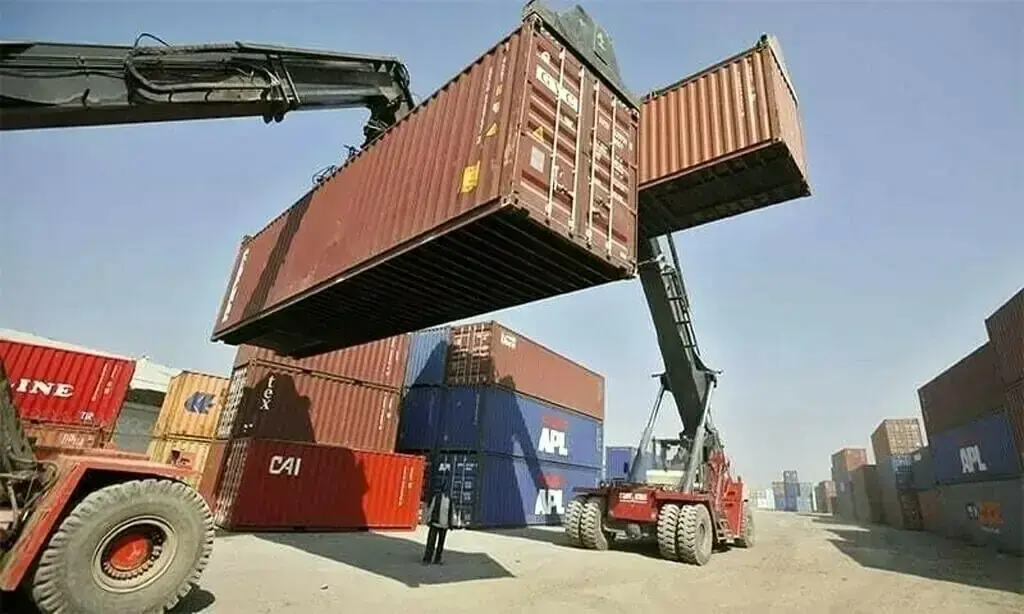

MUMBAI/NEW DELHI: India, a leading importer of fertilisers, is in talks to increase purchases from Russia, Belarus and Morocco as Middle East tensions and China’s export curbs risk tightening supplies ahead of the summer planting season, government and industry sources said.
India, where farming is a mainstay, imports fertilisers such as urea, diammonium phosphate (DAP) and muriate of potash, as well as liquefied natural gas, a key feedstock for urea production.
The Middle East accounts for roughly half of India’s DAP and urea imports, with Saudi Arabia the largest DAP supplier and Oman the biggest urea supplier.
“We’ve got more stocks than last year, but if the war goes on longer, things could get tight,” said a government source familiar with the matter, who declined to be named as he was not authorised to speak to the media.
“So we’re in touch with Russia and others to bring in more supplies over the next few months.”
Although Indian companies import fertilisers individually to meet their own requirements, they negotiate collectively with overseas suppliers, as the sector is highly regulated and the government subsidises retail sales to farmers.
India proposes ‘economic stabilisation fund’ to tackle global headwinds
India’s Ministry of Chemicals and Fertilizers did not immediately respond to requests for comment.
Fertiliser demand rises in June and July, when farmers begin planting crops such as rice, corn, cotton, and oilseeds.
Ahead of the summer season, many urea and DAP shipments arrive in India during the March-May quarter.
Authorities seek to avert shortfalls
Although there are no shortages at present, the government is keen to avoid any shortfalls during the summer season, the sources said.
Amid disruptions in the Middle East, China, a top fertilizer exporter, is tightening export restrictions.
India also plans to approach Indonesia for fertilizer supplies.
“We are aware that fertiliser exports are controlled by the (Indonesian) government and the quantities can be small from there, but it can still be a fallback supplier,” said the second source.
India is particularly concerned about urea, its most widely used fertiliser, as the conflict has reduced gas supplies used to produce nitrogen-based fertilisers.
The government has prioritised supplies to fertilizer plants, helping ensure they receive at least 70% of their average gas consumption, the sources said.
Qatar is India’s largest supplier of imported LNG, but shipments from the country have been disrupted after Iran responded to joint U.S.-Israeli attacks by threatening to fire on vessels moving through the Strait of Hormuz.
“Just before the war, there was ample urea on the world market, with prices below $425 a ton. Now supplies are tight, and prices have risen above $600,” said a Mumbai-based official with a fertilizer-producing company.




















Comments
Comments are closed for this article.