


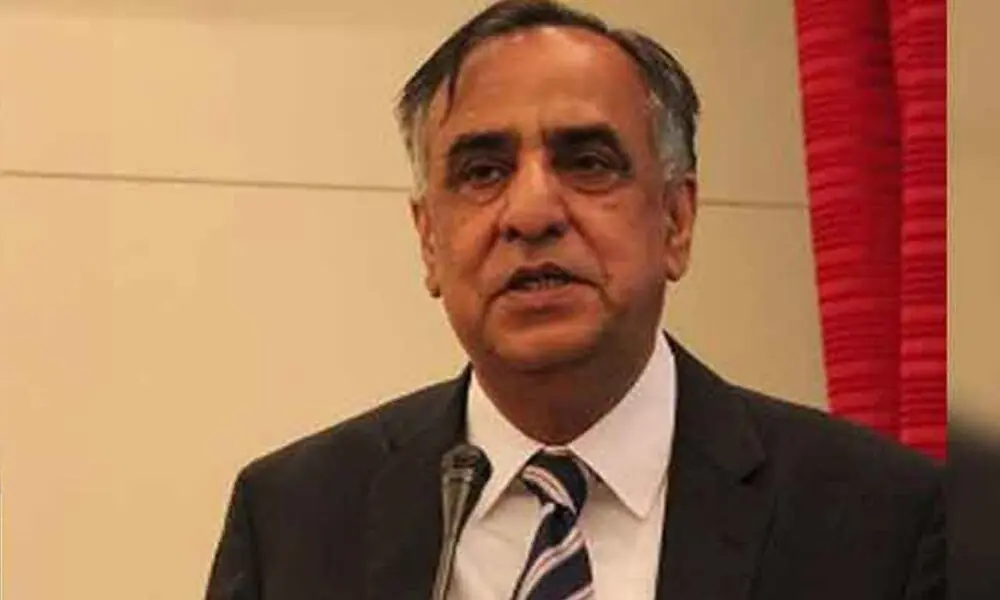

ISLAMABAD: In order to promote transparency, rule of law, and taxpayer’s empowerment, the Federal Tax Ombudsman (FTO) Zafar-ul-Haq Hijazi has issued a landmark ruling against the Federal Board of Revenue (FBR) to strongly approve taxpayers’ rights to have access to the assessment related tax record of their cases.
In this regard, the FTO office has issued an order, ruling, “however, order sheet record of internal noting about the consultative process or exchange of opinions, comments within a Field Office of FBR are of course are of confidential nature and cannot be provided to the Complainant. Conclusively, the Complainant has fundamental right duly supported by Sales Tax Act, 1990 and Constitutional provisions of Pakistan to obtain copies of sales tax documents inclusive of order sheets pertaining to details of proceedings of the case with which the Complainant remained engaged with the Deptt”, FTO order added.
The decision marks yet another milestone in FTO’s steadfast commitment to ensuring that the machinery of tax administration operates with integrity, fairness, and full accountability to the taxpaying public.
READ ALSO: CTS and e-Bilty: FBR strikes deal to plug tax gap via digital route
FTO’s findings elaborated comprehensively that the definition of ‘document’ under law encompasses assessment orders, hearing notices, replies submitted by the registered person, and crucially, order sheet entries that record proceedings, adjournments, arguments advanced, and case laws cited. Denying such records, he held, not only violates transparency but actively undermines the taxpayer’s ability to mount an effective legal defence or pursue statutory remedies, a finding that resonates deeply with the principles of natural justice.
Details revealed that a foreign based company had approached the FTO after the concerned tax authorities persistently failed to provide copies of tax records including statutory notices, order sheets, and note sheets pertaining to assessment order. Despite a formal written request submitted by the Authorized Representative on 27 October 2025, no response was forthcoming from FBR’s field formation, compelling the taxpayer to seek redress before the FTO.
The department attempted to resist jurisdiction, arguing that the matter was sub judice before the ATIR and therefore fell outside the FTO’s purview. The FTO firmly and correctly overruled this objection, holding that the complainant’s grievance was strictly limited to the non-provision of tax documents, a wholly distinct matter from the merits of the tax assessment itself. This clear-headed, principled approach to jurisdictional questions has been a hallmark of new FTO’s tenure.
The FTO also reinforced the precedent set by the IHC in “Sprint Oil vs the FTO”, wherein the IHC had directed that assessment-related documents be handed over to the petitioner within 7 days. FTO’s findings stand in perfect alignment with this judicial direction, further strengthening the constitutional guarantee of access to information enshrined in Article 19A of the Constitution. Concluding his analysis, the FTO found the tax department’s conduct marked by neglect, inattention, and inefficiency in providing legitimate documents to the taxpayer to constitute maladministration under the FTO Ordinance, 2000. He accordingly directed FBR to instruct the CIR to provide the tax documents to the complainant within 15 days.
The FTO has consistently served as a vital institutional safeguard for taxpayers against bureaucratic opacity and administrative overreach. By affirming that tax records belong to the taxpayer as much as to the department, and that transparency is not a concession but a legal obligation, FTO Hijazi has set a powerful standard for tax administration across Pakistan. His decisions continue to instill confidence in the rule of law and reaffirm that no institution is above accountability.
Copyright Business Recorder, 2026

























Comments
Comments are closed for this article.