


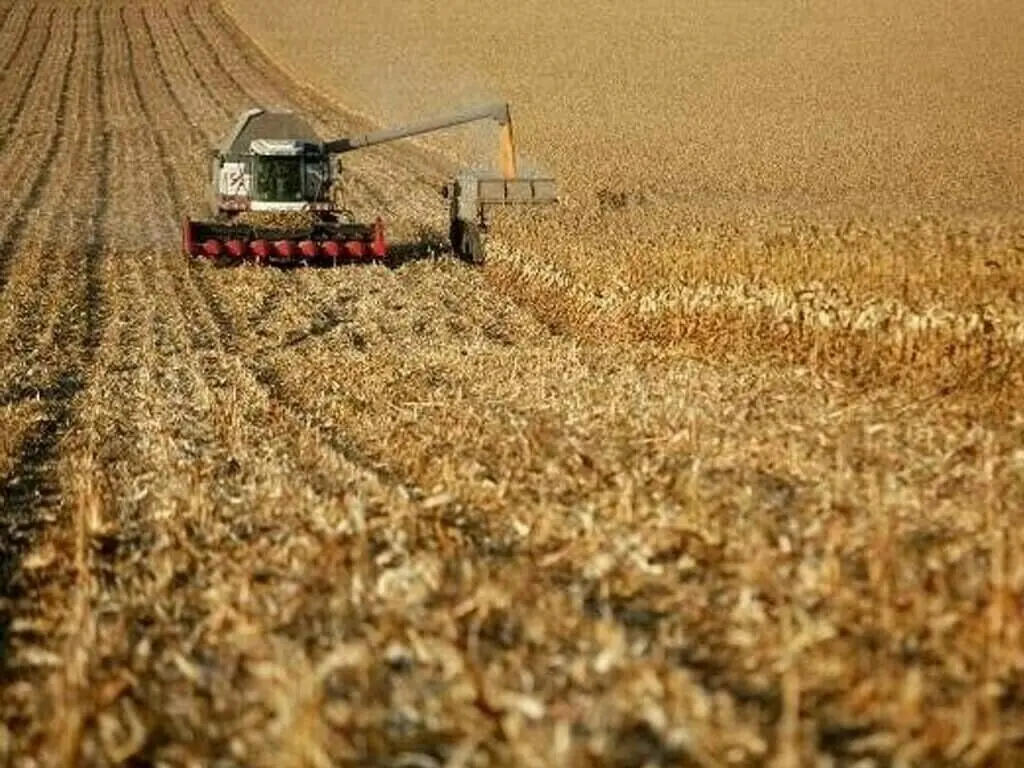

Pakistan’s agricultural sector is entering a decisive phase where performance and resilience must advance together. For decades, growth in farm output relied largely on expanding cropped area, increasing input use, and depending on seasonal patterns that were relatively predictable. That model is no longer sufficient.
Climate volatility, water stress, soil degradation, and market uncertainty are reshaping the risk environment for farmers. In this shifting landscape, digital transformation is emerging as a practical and scalable pathway to strengthen farm performance while building climate resilience.
Digital transformation in agriculture is not merely about introducing new gadgets into rural areas. It represents a structural shift toward data-driven decision-making, connected value chains, precision input use, and technology-enabled services. It combines digital advisory systems, precision farming tools, climate-smart practices, and modern agribusiness value chain management. When aligned with sustainability goals and climate commitments, this transformation can improve productivity, reduce vulnerability, and support long-term environmental balance.
Farm performance begins with better decisions at the field level. One of the persistent weaknesses in Pakistan’s agriculture has been delayed or generalized information reaching farmers. Weather shifts, pest outbreaks, and soil variability require location-specific responses, yet advisory systems have often been stretched thin. Digital platforms are changing this equation. Mobile-based advisories, satellite weather feeds, and interactive farmer services now deliver timely guidance on sowing windows, irrigation timing, nutrient management, and crop protection. When decisions are informed by real-time data rather than routine habit, yield stability improves and input waste declines.
Climate resilience is strengthened when farmers can anticipate rather than merely react. Digital weather intelligence and early warning systems allow producers to prepare for heat stress, heavy rainfall, or dry spells. Crop planning supported by forecast data reduces exposure to avoidable losses. This approach fits directly within the climate-smart agriculture framework, which seeks to increase productivity, enhance adaptation capacity, and reduce environmental harm simultaneously. Digital tools act as force multipliers for climate-smart practices by making them more precise and actionable.
Precision farming further strengthens both performance and resilience. Through GPS-guided operations, sensor-based irrigation, drone scouting, and variable-rate input application, farmers can align resource use with actual crop needs. Instead of blanket fertilizer or pesticide application, inputs are applied where required and in measured quantities. This improves cost efficiency and reduces environmental pressure. In a water-constrained country like Pakistan, precision irrigation supported bydigital scheduling can significantly improve water productivity, a key resilience indicator.
Although advanced precision technologies are still concentrated among large farms, service-based delivery models are expanding access. Machinery-on-demand platforms, drone service providers, and shared technology hubs are lowering entry barriers for medium and small producers. This shift from ownership to access is critical for inclusive digital transformation.
Agricultural performance is also shaped beyond the farm gate. Weak coordination across supply chains, post-harvest losses, and price opacity reduce the value farmers receive. Digital transformation of agribusiness value chains improves transparency, traceability, and efficiency. Digital marketplaces, electronic procurement systems, warehouse digitization, and logistics tracking help connect producers more directly with buyers. Better price discovery and reduced transaction layers can raise farm margins without raising consumer prices.
Traceability systems are increasingly important for export competitiveness and food safety. Buyers now demand verifiable production and handling records. Digital tracking systems enable this verification, opening doors to higher-value markets and strengthening trust across the chain. In case of agribusiness firms, digitized value chains improve demand forecasting and inventory control, enhancing overall sector efficiency.
Financial resilience is another important dimension. Digital financial services, including mobile payments, fintech-based credit scoring, and digital insurance platforms are expanding rural financial access. When farmers build transaction histories through digital channels, lenders gain new tools for risk assessment. Faster credit decisions and quicker insurance payouts reduce vulnerability after climate or market shocks. Financial predictability contributes directly to farm continuity and household stability.
An often-overlooked benefit of digital and climate-smart agriculture is its effect on farmer well-being. Reduced uncertainty, better market information, and faster support systems lower psychological stress associated with farming risk. Greater predictability in income and production outcomes improves confidence and long-term planning capacity. Agricultural success should be measured not only by output per acre, but also by stability per household.
This transformation also aligns with global development and climate frameworks. The Sustainable Development Goals call for progress in food security, climate action, responsible production, and poverty reduction, all closely linked to agricultural modernization. The Paris climate framework emphasizes adaptation and emission efficiency. Digital and precision agriculture contribute to both by enabling higher output with lower environmental cost and stronger adaptive capacity.
However, the transition is not automatic. Rural connectivity gaps, limited digital literacy, affordability constraints, and gender disparities in technology access remain serious barriers. Fragmented platforms offering isolated services can also limit effectiveness. A coordinated ecosystem approach is needed, integrating advisory, market, finance, and climate services into user-friendly systems.
Policy support will be decisive. Investment in rural broadband, digital extension models, open agricultural data, and farmer training must accompany private innovation. Public–private partnerships can accelerate scale while maintaining accountability and inclusion. Data governance frameworks should protect farmer privacy while enabling responsible innovation.
Digital transformation is not a substitute for sound agricultural policy, but it is becoming an essential instrument of it. By combining digital capability with climate-smart strategy and value chain modernization, Pakistan can build a farm sector that is more productive, more resilient, and more sustainable. The opportunity is immediate, and the direction is clear: smarter agriculture is stronger agriculture.
Copyright Business Recorder, 2026
The writer is affiliated with the School of Management, Jiangsu University, Zhenjiang, Jiangsu P.R. China, and the Department of Agribusiness and Entrepreneurship Development, MNS-University of Agriculture, Multan, Pakistan
The writer is an independent researcher based in Hamburg, Germany
The writer is associated with digital transformation in the agricultural sector and is also engaged in digital financial markets
The writer is is a freelancer, works in the digital and cryptocurrency space, and is an emerging entrepreneur




















Comments
Comments are closed for this article.