


US tariff rate to hit 15% or more for some nations, USTR says
- Doesn't name any specific trading partner
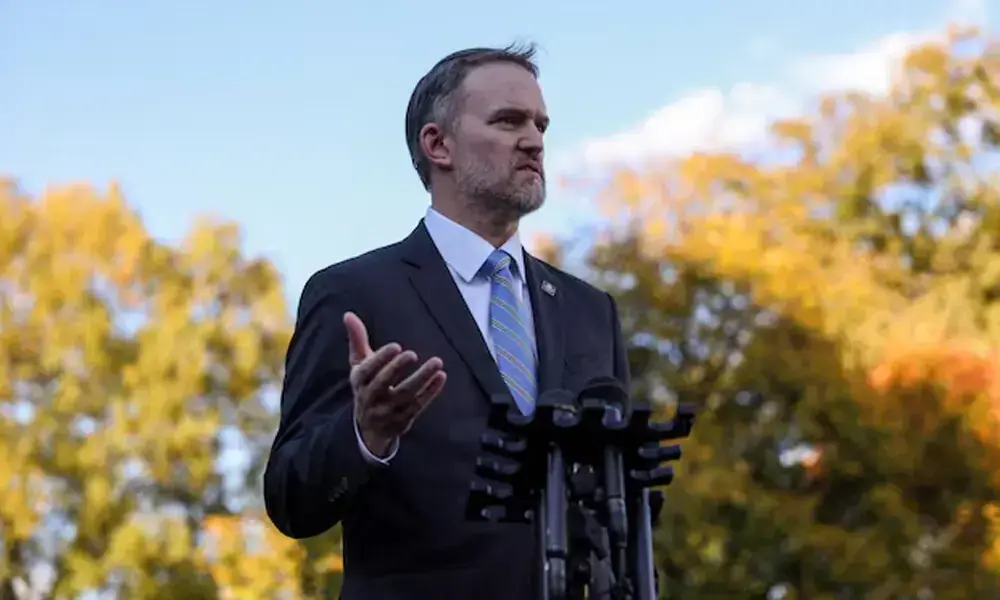

WASHINGTON: The U.S. tariff rate for some countries will rise to 15% or higher from the newly imposed 10%, U.S. Trade Representative Jamieson Greer said on Wednesday, without naming any specific trading partners or giving further details.
Greer told Fox Business Network’s “Mornings with Maria” program that the Trump administration does not intend to raise tariffs on Chinese goods above current levels as President Donald Trump plans to travel to China in coming weeks.
“Right now, we have the 10% tariff. It’ll go up to 15(%) for some and then it may go higher for others, and I think it will be in line with the types of tariffs we’ve been seeing,” Greer said.
New tariffs compatible with existing trade deals
He described the administration’s plan to replace emergency tariffs struck down by the Supreme Court with new duties, including temporary tariffs under Section 122 of the Trade Act of 1974, which took effect on Tuesday at a 10% rate, as compatible with existing trade deals.
READ MORE: Trump renews attack on US Supreme Court, vows other tariffs, licenses
Greer said unfair trade practices investigations under Section 301 of that same law would be the centerpiece of the replacement effort, targeting countries that build excess industrial capacity, use forced labor in supply chains, discriminate against U.S. technology firms, or subsidize rice, seafood and other goods.
He said that he and Treasury Secretary Scott Bessent have repeatedly raised the issue of excess industrial capacity with Chinese officials, adding that unprofitable Chinese firms are allowed to stay open and continue producing with government support.
“I don’t think they’re going to resolve that problem fully, and that’s part of why we need to have tariffs on China and Vietnam and other countries that have this problem,” he said.
Asked whether the administration is willing to impose steep new tariffs on Chinese goods that could upset a delicate trade truce, Greer said: “We don’t intend to escalate beyond” rates that are currently in place. “We intend to really stick to the deal that we have with them.”
Greer also said Section 301 investigations can serve as an enforcement mechanism for trade agreements the administration has struck in recent months, including a deal with Indonesia, which agreed to accept a 19% U.S. tariff and open its markets to American goods.
He said USTR would open a Section 301 investigation into Indonesia’s trade practices to examine industrial capacity and fishery subsidies, and the findings would be compared with steps Indonesia is taking to address U.S. concerns and its commitments under the deal.
“And then we’ll make a determination on what kind of tariff should apply. We expect to have continuity in what we’re doing” with trade deals,“ he said.
He added that the Trump administration will continue national security trade investigations aimed at protecting strategic sectors with tariffs under Section 232 of the Trade Act of 1962, and that the Commerce Department is “working hard” on those.




















Comments
Comments are closed for this article.