


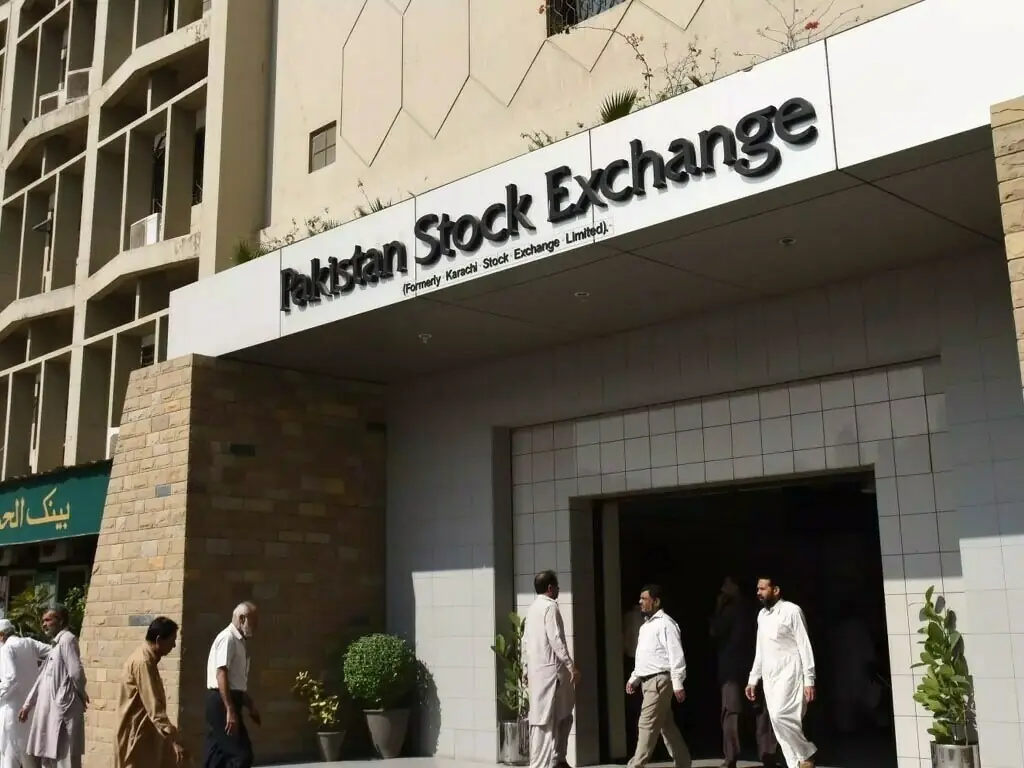

Markets hate uncertainty, and that is what is triggering the selling pressure in the PSX. Risks are building on both the geopolitical and domestic political fronts, creating a ripple effect.
Commodity prices are moving up due to the possibility of war involving Iran, while domestically, the perception is growing that the political regime has failed to deliver on the economic front. Some commentators are even suggesting that the government’s days are numbered. All these factors are adding uncertainty to the stock market.
A more important and broader question, with much larger macroeconomic implications, is the movement in interest rates and the exchange rate.
On interest rates, the money market was not expecting any change in the policy rate in the December 2025 review.
However, the SBP surprised markets with a 50-bps cut, bringing the rate down to 10.5 percent. Thereafter, expectations of a single-digit interest rate began to build, and almost everyone was anticipating another cut in the January policy review.
However, sensing growing geopolitical concerns and their potential impact on Pakistan’s economy, the SBP rightly decided to keep the rate unchanged.
The money market swung sharply before and after January’s review. The five-year paper yield in the secondary market had fallen to 10.2 percent before the review and is now hovering around 11.1 percent — a swing of 90 bps, despite the policy rate remaining unchanged.
READ MORE: Selling grips PSX, benchmark index sheds nearly 1%
A similar pattern, though of lesser magnitude, has been observed across other tenors, including Islamic papers.
It is not just the SBP’s decision to pause, but also the rise in commodity prices amid escalating Middle East tensions.
Brent crude has crossed $70 per barrel, raising red flags for Pakistan’s fragile balance of payments position. If oil stays above $75 per barrel for two months, it will adversely impact inflation, the currency, the fiscal balance, and interest rates.
Additional balance of payments concerns stem from rollover uncertainties. The UAE deposits, which were reportedly expected to be rolled over for two years at half the rate, have instead been rolled over for just two months at the same rate.
Meanwhile, the government is repaying Chinese debt that is supposed to be refinanced (not rolled over), and there could be delays in that process.
In April, the government must repay a little over $1 billion in Eurobond obligations, while plans to issue a Panda bond have faced hurdles.
SBP’s foreign exchange reserves have already fallen below $16 billion, and the Governor’s claim of crossing $20 billion within the calendar year may face challenges.
The IMF has not expressed concern about gross financing requirements over the past two years, but if rollovers do not materialize and external market borrowing remains constrained, risks could resurface — although the probability remains low.
With reserves still covering around two months of imports, and the SBP continuing to buy dollars from the interbank market, there is no immediate pressure on the currency.
Although economic theory would suggest allowing some depreciation to curb rising import demand, there are currently no visible payment pressures in the interbank market. It is the high season for remittances, and flows remain strong and are likely to stay elevated until May.
Thus, the currency is likely to remain stable against the USD over the next two to three months. Money market rates may remain elevated, and the SBP could continue its pause until June, while the stock market may stay under pressure.
However, risks to stability are building for the next fiscal year. Economic growth is picking up, which could increase import pressure. If a potential US-Iran conflict were to prolong and oil prices were to remain above $75 per barrel for two to three months, pressure could emerge in the currency market, and current interest rates may prove to be the bottom of this cycle. Fingers crossed!




















Comments
Comments are closed for this article.