


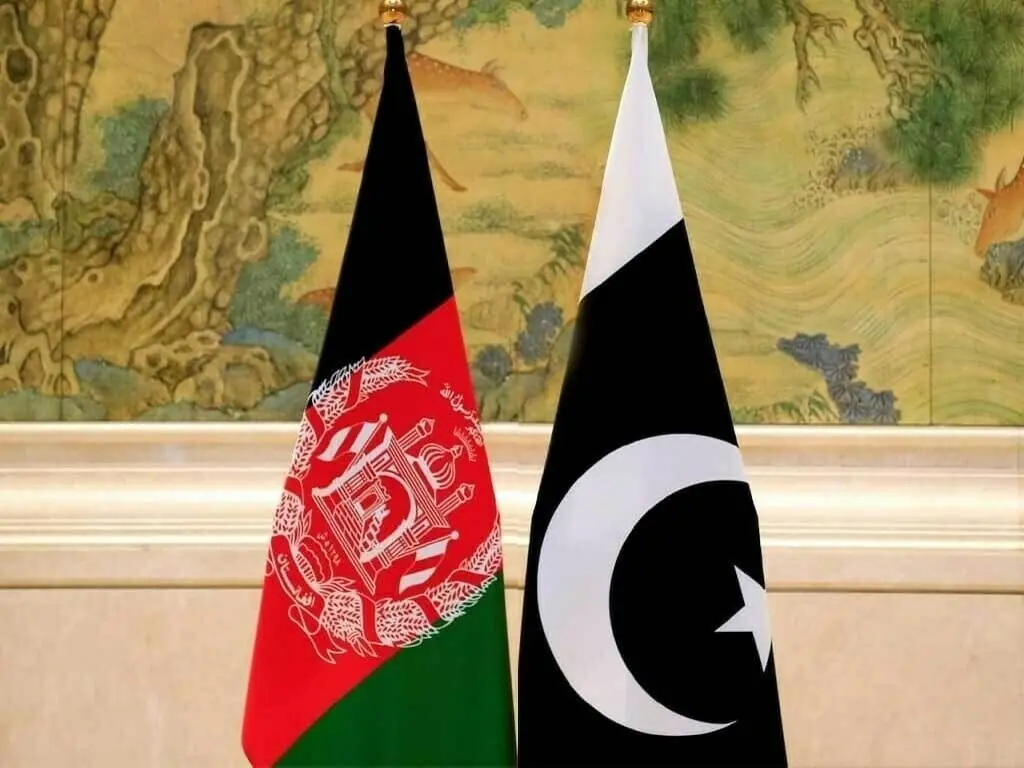

ISLAMABAD: Prominent religious and political leaders from Khyber Pakhtunkhwa are expected to step in with informal and backchannel efforts to help ease tensions between estranged Pakistan and Afghanistan, as the Afghan Taliban have reiterated their willingness to help facilitate negotiations between Pakistan and Tehreek-e-Taliban Pakistan (TTP).
Recently, Jamaat-e-Islami (JI) former chief Sirajul Haq visited Kabul and met senior leaders of the Taliban government, including Prime Minister Mullah Mohammad Hassan Akhund, Foreign Minister Amir Khan Muttaqi, and Interior Minister Sirajuddin Haqqani.
Sources familiar with the development told Business Recorder on Wednesday that the JI former chief warned Kabul that confrontation between the Taliban and Pakistan would serve the enemy’s interests, and that cooperation between Kabul and Islamabad would create a win-win situation for the two inseparable neighbours.
Sirajul Haq’s Kabul trip took place after months of silence on the Pakistan-Afghanistan diplomatic front following border clashes and Pakistan’s air strikes inside Afghanistan. Diplomatic sources; however, clarified that the former JI chief had gone to Kabul in his individual capacity and that his visit should not be viewed as an effort initiated by the government to ease tensions with Kabul under Track II diplomacy.
Independent analysts; however, say that any interaction with the Taliban government raises cautious hopes that both sides might find a way back to the negotiating table. Pakistani traders, especially the business community in Khyber Pakhtunkhwa, have voiced reservations over the closure of the border with Afghanistan. They say that Pakistan is losing the Afghan market to India, Iran, and the Central Asian countries at a time when the neighbouring country is undergoing a phase of reconstruction following the return of hundreds of thousands of Afghan refugees from Pakistan and Iran.
This is one of the reasons that prompted religious and political figures to initiate informal talks with the Afghan side. They are also expected to inform the central government about the pitfalls of Pakistan’s policy of disengagement with Kabul, the sources said.
The Taliban authorities informed Sirajul Haq that around 2,500 Afghan citizens have been arrested on charges of supporting the TTP and facilitating its fighters. They argued that Islamabad should take responsibility for arresting its own citizens who are leading the TTP and carrying out terrorist activities in Pakistan.
The Taliban maintain that Kabul pursues a policy of non-intervention: Pakistan should not interfere in Afghanistan’s internal affairs, and they will not interfere in Pakistan’s affairs.
Reports in late 2025 indicated that Afghan Taliban authorities informed Pakistan that they had jailed “hundreds” of TTP militants, while Pakistani officials characterised these actions as “not enough.”
Pakistani authorities maintain that the Taliban arrest TTP members when they violate internal orders and that these actions have nothing to do with the group’s activities inside Pakistan. The interim Afghan government also takes action when it fears that TTP fighters might build relationships with Islamic State-Khorasan (IS-K).
A recent report submitted to the United Nations Security Council said the Afghan Taliban continue to provide financial and logistical support to the banned TTP.
Senior analyst Dr Usman says that this revelation has raised serious concerns regarding regional security, as Pakistan has witnessed a sharp increase in terrorist attacks originating from Afghan soil, underscoring the persistent threat posed by the militant group and its ties with the Afghan Taliban.
According to Dr Usman, the Afghan Taliban’s association with the TTP is not new, but the depth of their support is now being quantified with alarming clarity. According to the UN report, the Afghan Taliban provides approximately USD43,000 per month to the TTP, facilitating its operations and expansion. The TTP has established new training centres in Afghanistan’s Kunar, Nangarhar, Khost, and Paktika provinces. This direct financial and logistical backing has emboldened the TTP, allowing it to launch cross-border attacks with greater frequency and sophistication, he said.
Copyright Business Recorder, 2026




















Comments
Comments are closed for this article.