


WPV1 eradication: PCCR for targeted incentives to boost vaccination efforts
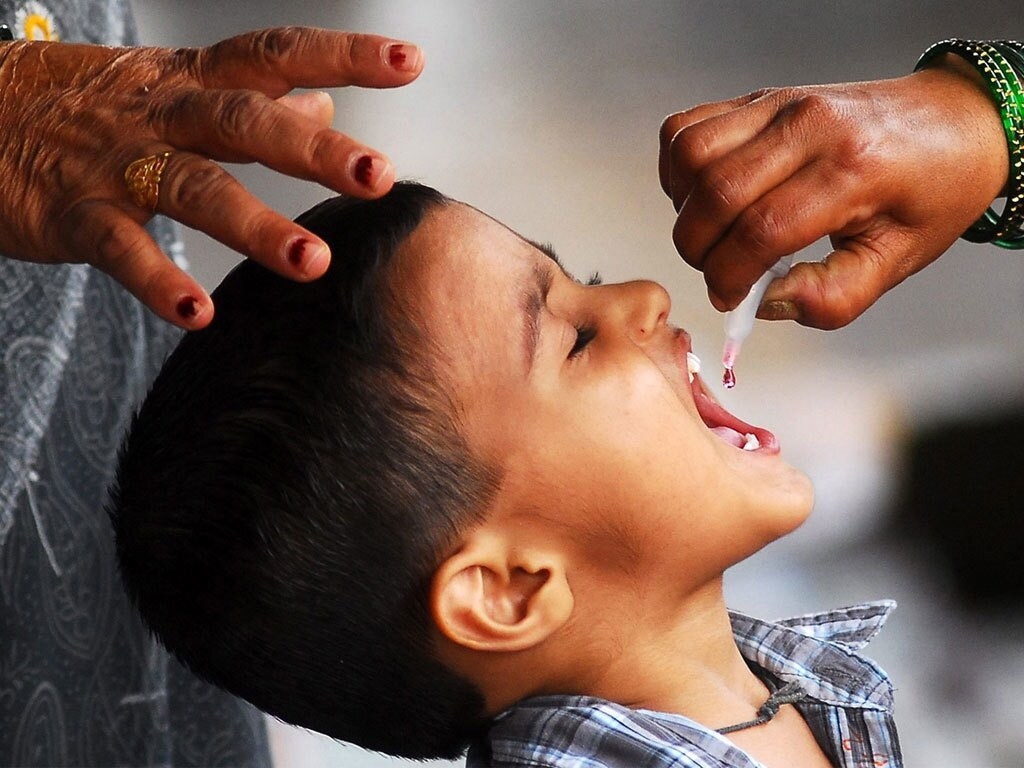

ISLAMABAD: The Parliamentary Caucus on Child Rights (PCCR) of the National Assembly has stressed the urgent need for stronger legislation and targeted incentives to boost vaccination efforts and eradicate the Wild Polio Virus (WPV1) from Pakistan.
The parliamentary body, which met here on Wednesday, emphasized encouraging measures rather than penalties to build parental confidence and strengthen public trust in the immunization process.
The meeting was chaired by PCCR Convenor Dr Nikhat Shakeel Khan, MNA, and attended by Parliamentary Secretaries Rana Ansar, Farah Naz Akbar, and Saba Sadiq; PCCR Member Dr Shazia Sobia Aslam Soomro, MNA; Sindh Parliamentary Secretary for Health Muhammad Qasim Soomro, MPA; National Assembly Draftsman Tahir Farooq; officers from the Health and Finance Divisions; and representatives of civil society organizations.
Dr Nikhat Shakeel Khan underscored the urgent need for robust legislative measures to eradicate Wild Polio Virus (WPV1) from Pakistan. She emphasized that eliminating polio is both a constitutional and moral obligation, highlighting priority areas including mandatory vaccination, deterrence against vaccine refusal, state support for polio-affected children, and the formulation of a comprehensive Polio Eradication Act.
She also reaffirmed the PCCR’s commitment to unified action, strengthened oversight, harmonized provincial legislation, and nationwide awareness initiatives.
The National Coordinator of the Polio Program, Ministry of Health, Capt Anwar-ul-Haq (Retd), presented an overview of the current epidemiological situation. He noted an overall decline in Wild Polio Virus (WPV1) cases nationwide, with no cases reported since September 2025. However, he highlighted rising cases in South Khyber Pakhtunkhwa, which accounts for over 50% of recent detections. He also shared year-wise data from 2021–2025, identified five priority zones across Pakistan, and outlined provincial challenges and progress in the ongoing vaccination drive.
During the open-floor discussion, parliamentarians and civil society members raised concerns regarding the spread of WPV1 due to population movement, gaps in federal–provincial coordination, insufficient training of frontline workers, weak monitoring and accountability in peripheral regions, and increasing parental refusal in high-risk districts.
Responding to the queries, Capt Anwar-ul-Haq (Retd) emphasized the need to focus on South KP, Karachi, and Hyderabad—areas with the highest refusal rates. He stressed that routine immunization, nationwide campaigns, and sustained community engagement are essential to building public trust.
In the concluding session, participants recommended a child-centred, community-driven approach to polio eradication. It was noted that underweight and medically vulnerable children require additional attention to ensure successful immunization. The establishment of mothers’ committees at the grassroots level was proposed to counter misinformation and promote vaccine acceptance.
Further recommendations included strengthening the cold-chain system, ensuring effective monitoring mechanisms for polio workers, administering vaccines to young adults who may act as carriers, and enhancing public awareness through media and storytelling-based campaigns. Participants also emphasized the importance of visible political ownership to counter vaccine hesitancy.
The meeting concluded with a strong call to introduce legislative incentives to promote vaccination—focusing on encouragement rather than penalization—to build parental confidence and reinforce trust in the immunization process.
Copyright Business Recorder, 2025


























Comments
Comments are closed for this article.