


‘Trade deficit widens to $26.35bn due to surging imports’
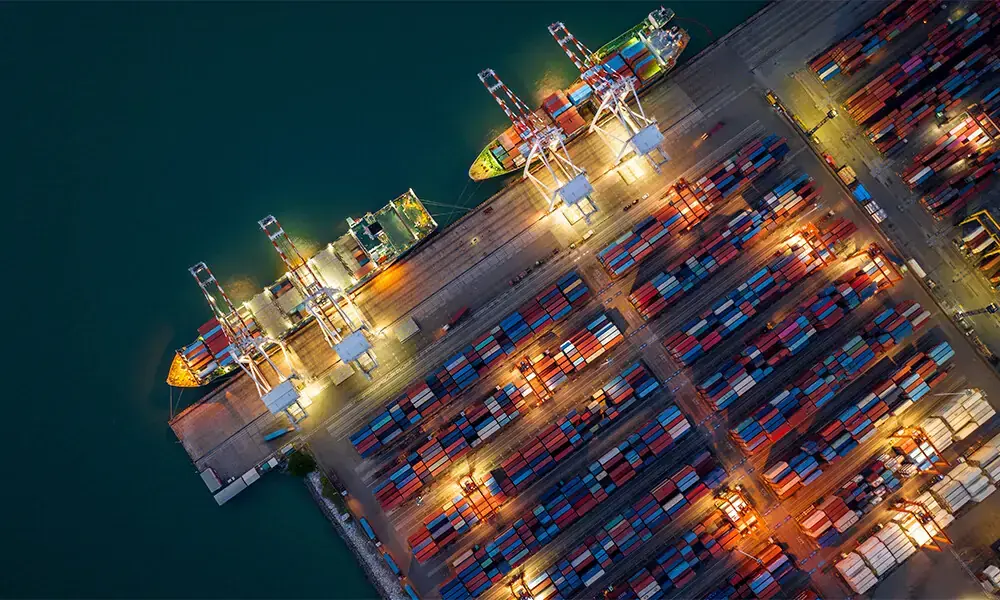

KARACHI: In the last 12 months, the total exports of Pakistan were approximately USD 32.04 billion, whereas in the same period imports rose to USD 58.39 billion and as a result the trade goods deficit widened to around USD 26.35 billion, which is a cause for concern and may have negative implications, said Ateeq ur Rehman (economic & financial analyst).
The textile sector remained the dominant contributor, accounting for nearly 56 percent of total export earnings of Pakistan with a value of USD 17.89 billion.
The remaining USD 14.51 billion export earnings of Pakistan comprised of other items like textiles & apparel, knitwear/hosiery, readymade garments, bed linen & other home textiles, cotton yarn and fabrics, rice, fish, fruits and vegetables, meat, leather products, surgical instruments, sports goods, chemicals, pharmaceuticals & other manufactured goods, including plastics, pharmaceuticals, cement, etc, Ateeq added.
Most importantly, the furniture and wooden items remains missing from Pakistan’s export earnings whereas the sector holds significant potential due to Pakistan’s skilled craftsmanship, quality wood, and traditional hand-carving expertise.
For attracting international consumers/ buyers the furniture manufacturers and exporters should showcase their products by organizing international exhibitions supported by government authorities and public body.
With better design innovation, international marketing, and investment in modern equipment, Pakistan’s furniture industry could transition from a largely domestic market to a competitive export oriented sector, especially in handcrafted wooden and eco-friendly furniture categories, he said.
However, the sector faces structural challenges, limited mechanization, inconsistent quality standards, lack of branding, and relatively high shipping costs for bulky goods. Moreover, export volumes are constrained by the absence of large-scale industrial production.
Consequently, our major export destinations for Pakistani furniture include the United States, UAE, KSA, UK, Bangladesh, Sri Lanka, with gradual expansion into Central Asia and Africa.
Copyright Business Recorder, 2025

























Comments
Comments are closed for this article.